
By RIOD Engineering · January 12, 2026
Building Scalable CPMS Platforms
A Charge Point Management System (CPMS) is the software brain behind every EV charging network. As networks scale from dozens to thousands of chargers, the architecture of the CPMS determines whether operators can manage growth gracefully or drown in operational complexity.
Core Architecture Principles
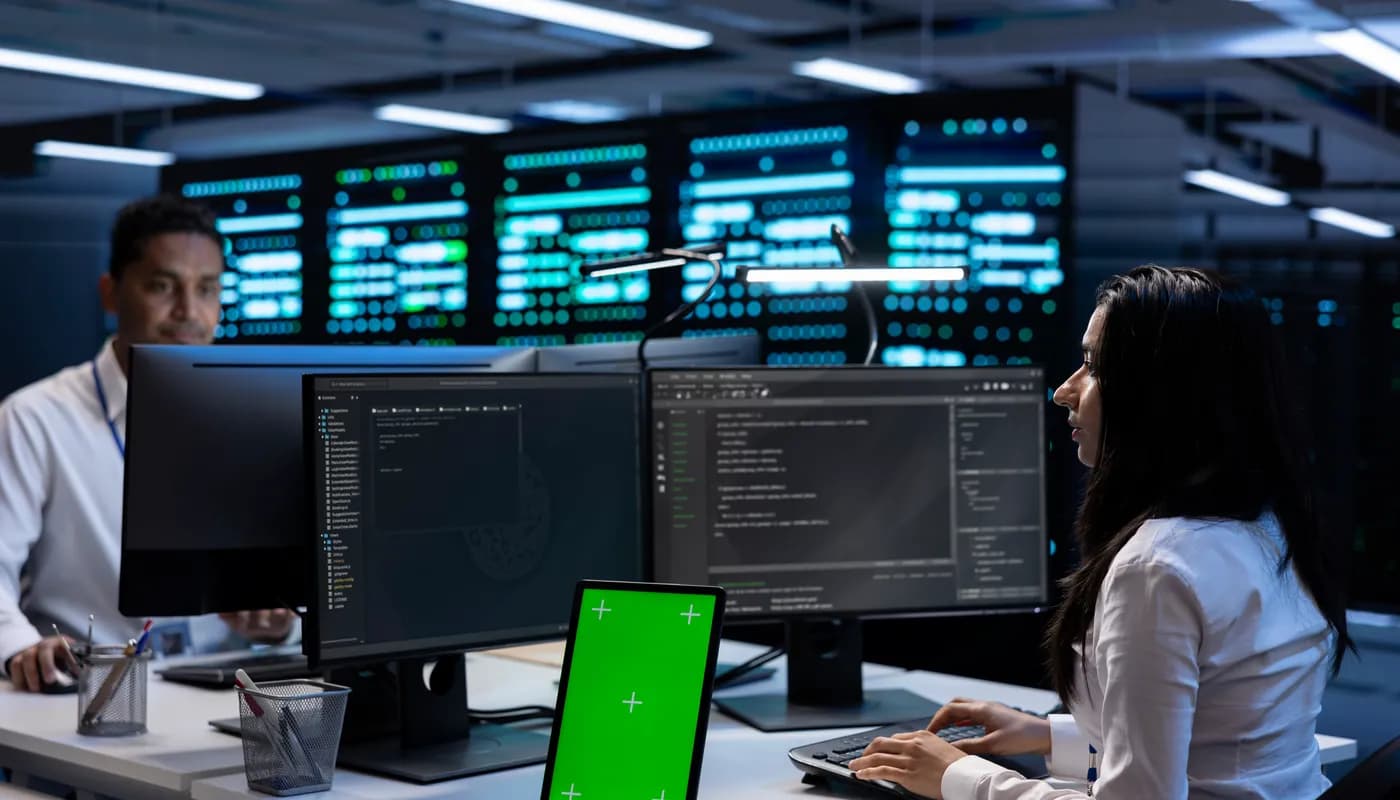
Scalable CPMS platforms are built on microservices architectures that separate charger communication, user management, billing, energy management, and analytics into independent services. This allows each component to scale independently based on load; the billing engine doesn't need to scale at the same rate as the WebSocket handler managing 10,000 concurrent charger connections.
Event-driven architectures with message queues ensure that transaction data is never lost during traffic spikes. A charger completing a session generates events that are processed asynchronously: metering data flows to billing, usage data flows to analytics, and status updates flow to the operator dashboard.
Real-Time Communication at Scale
OCPP communication requires persistent WebSocket connections between each charger and the backend. At 10,000 chargers, that's 10,000 concurrent connections, each exchanging heartbeats, status notifications, and transaction messages. The CPMS must handle connection management, reconnection logic, and message queuing without dropping data.
RIOD's cloud platform uses horizontally scalable WebSocket gateways with sticky sessions and automatic failover, ensuring 99.9% uptime even as the network grows.
Multi-Tenant and White-Label Support
As charging networks diversify, CPMS platforms must support multi-tenancy, where a single platform serves multiple operators with isolated data, branding, and billing rules. White-label capabilities allow charge point operators to present a branded experience to their end users while leveraging shared infrastructure.
Read Our Next Article
Payment Migration for EV Charging Networks: What Gets Missed

The Zero-Downtime CMS Migration Playbook
OCPP Profile Drift: Why “OCPP-Compatible” Isn’t Enough for CMS Migration
Enel X Way Shutdown: The Migration Checklist for CPO Fleets
UPI vs RFID vs App: Charging Payment Methods Compared
UPI Autopay for EV Charging Subscriptions
Deploying EV charging?
Talk to our team about your project. We design, supply, and manage EV charging infrastructure across India.