
By RIOD Engineering · February 10, 2026
Home Energy Management Systems and Their Role in EV Charging
A Home Energy Management System (HEMS) coordinates all the energy-consuming and energy-producing devices in a household. Solar panels, batteries, EV chargers, heat pumps, and even smart appliances can all be orchestrated through a single system.
The goal is straightforward: use the cheapest and cleanest energy available at any given moment, reduce peak demand charges, and give homeowners real visibility into where their electricity goes.
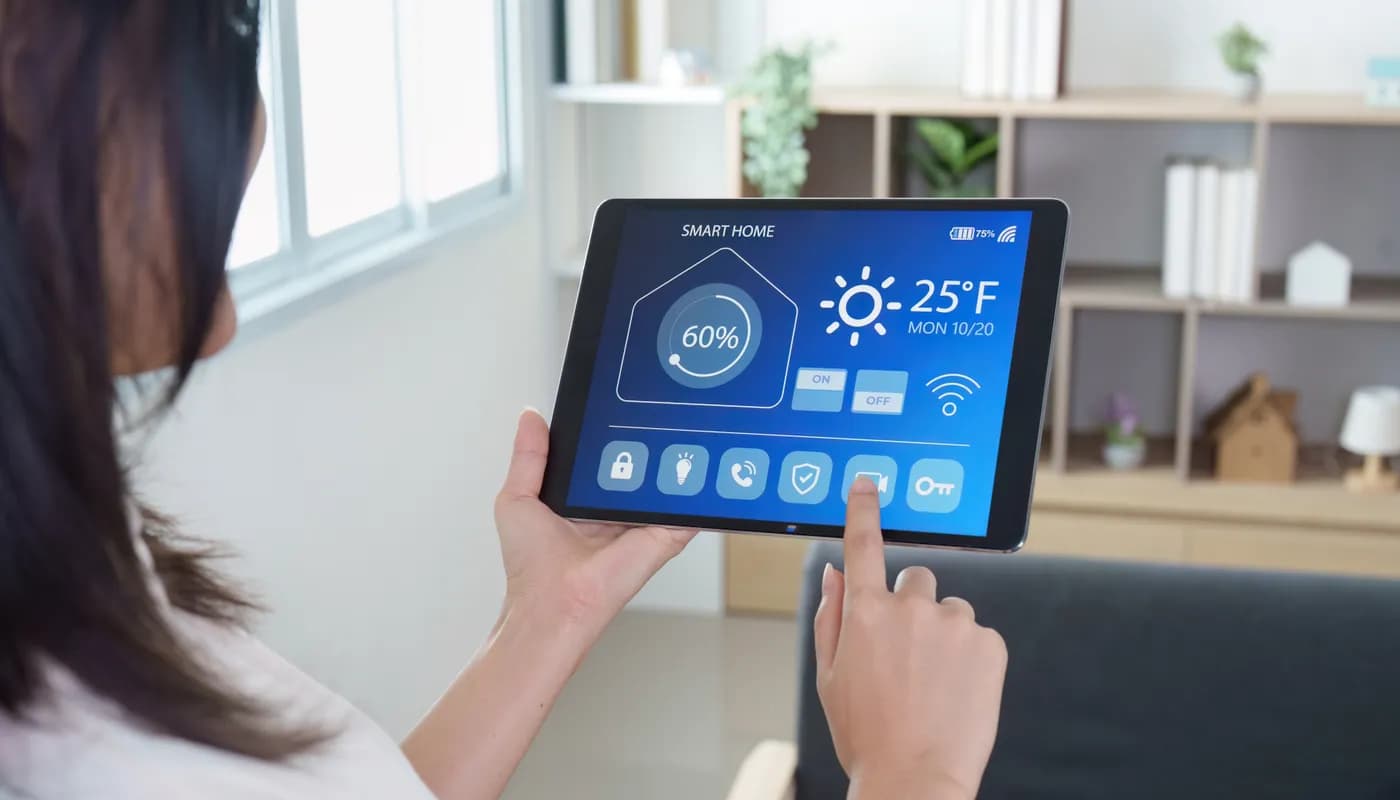
How a HEMS Works
A HEMS sits at the center of your home's energy ecosystem. It reads data from your solar inverter, battery management system, EV charger, smart meter, and connected loads. Based on rules, tariffs, or optimization algorithms, it decides how to route energy.
When solar production exceeds household consumption, the HEMS can direct surplus energy to your EV or home battery instead of exporting it to the grid at a low feed-in tariff. During high-tariff periods, it can discharge the battery to avoid expensive grid power.
Solar, Battery, and EV Integration
The real value of a HEMS shows up when you have multiple energy assets. A rooftop solar system alone is useful, but without coordination, your EV might charge from the grid at night while solar energy gets exported during the day at a fraction of the retail rate.
- Solar-to-EV charging maximizes self-consumption and reduces payback time on solar installations
- Home batteries store midday solar surplus for evening use
- Time-of-use tariff optimization shifts heavy loads to off-peak windows automatically
- Load prioritization ensures critical appliances get power first during constrained supply
Load Management at the Household Level
Most residential electrical connections in India are rated between 5 kW and 10 kW. An EV charger alone can draw 3.3 kW to 7.4 kW. Without load management, turning on an EV charger while the air conditioner and water heater are running can trip the breaker.
A HEMS prevents this by monitoring total household draw in real time and throttling or scheduling loads to stay within the connection limit. This is not optional; it is essential for homes adding EV charging to existing electrical setups.
The Power Master Concept
RIOD's Power Master acts as the brain of a home energy system. It communicates with the EV charger, solar inverter, and battery using protocols like EEBUS and Modbus. It continuously calculates available capacity and adjusts charging power accordingly.
If solar production drops because of cloud cover, the Power Master reduces EV charging current within seconds. If the homeowner starts cooking with a high-draw induction stove, it pauses EV charging temporarily. All of this happens without the homeowner needing to intervene.
Why This Matters for the Indian Market
India's residential electricity infrastructure was not designed for the additional loads that EVs and heat pumps introduce. Grid upgrades are expensive and slow. HEMS technology lets homeowners add new loads without upgrading their electrical connection, by managing demand intelligently rather than brute-forcing capacity.
As rooftop solar adoption accelerates and EV penetration grows, HEMS will shift from a nice-to-have to a necessity for any home with distributed energy resources.
Read Our Next Article
Optimizing Charging Infrastructure for Utilities
How to Detect Faulty EV Chargers
Resettable RCDs in EV Chargers: What You Need to Know
The Rise of V2G Technology in India
The Future of Two-Way Energy Communication
What is Dynamic Load Management for EV Charging
Deploying EV charging?
Talk to our team about your project. We design, supply, and manage EV charging infrastructure across India.