
By RIOD Engineering · March 28, 2026
How to Detect Faulty EV Chargers
A faulty charger is worse than no charger at all. It damages your reputation, wastes a driver's time, and in the worst case poses a safety hazard. The good news is that most charger failures give warning signs before they become complete outages. Knowing what to look for, both on-site and through remote diagnostics, keeps your network healthy and your users happy.
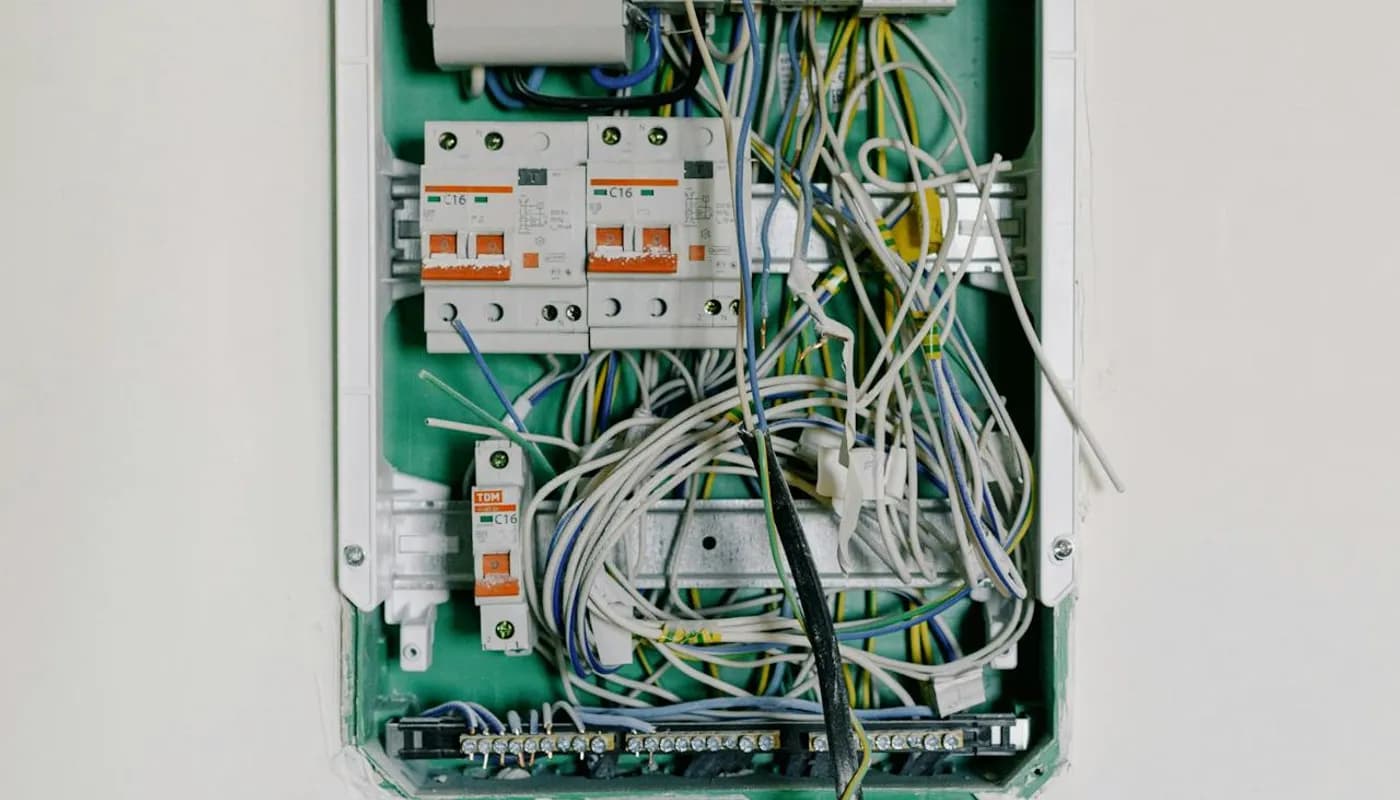
Common Failure Modes
EV chargers fail in predictable ways. Understanding these patterns helps operators spot problems early and stock the right spare parts.
- Connector wear: Repeated plugging and unplugging wears the locking mechanism and contact pins
- Cable damage: UV exposure, physical abuse, and vehicle drive-overs degrade cables over time
- Communication failures: 4G/Wi-Fi module issues cause the charger to drop off the network
- Power electronics: Relay failures, contactor wear, and capacitor aging affect charging reliability
- Software faults: Firmware bugs or corrupted configurations cause session failures
On-Site Diagnostic Indicators
Physical inspection catches what remote monitoring misses. Look for discoloration around the connector, which indicates overheating. Check for frayed or cracked cable insulation. Listen for unusual buzzing from the enclosure, which can signal a failing contactor or loose connection. Smell for burnt plastic or ozone, both signs of electrical arcing.
Test the mechanical parts: the connector should lock and release smoothly. The cable should be flexible, not stiff or brittle. The enclosure should be sealed with no visible gaps, cracks, or missing screws.
Remote Diagnostics via OCPP
OCPP-compliant chargers report detailed status information that reveals faults before they become visible. Session completion rate is the most important metric. A charger that starts sessions but fails to complete them has an intermittent fault. Declining power output over time suggests component degradation.
Error codes reported via OCPP map to specific failure modes. Ground fault errors, over-temperature warnings, communication timeouts, and connector lock failures each point to a specific component. A good backend platform aggregates these signals and flags chargers that need attention before a user reports a problem.
Thermal Monitoring
Heat is the most reliable predictor of electrical failure. Loose connections generate heat. Overloaded components generate heat. Failing semiconductors generate heat. Chargers with built-in temperature sensors on critical components (connectors, contactors, power modules) can detect thermal anomalies early and either reduce power or shut down before damage occurs.
RIOD chargers include multi-point thermal monitoring with automatic power derating and shutdown thresholds. Combined with OCPP reporting, operators get advance warning of thermal issues long before they cause failures.
Read Our Next Article
Optimizing Charging Infrastructure for Utilities
Resettable RCDs in EV Chargers: What You Need to Know
The Rise of V2G Technology in India
Home Energy Management Systems and Their Role in EV Charging
The Future of Two-Way Energy Communication
What is Dynamic Load Management for EV Charging
Deploying EV charging?
Talk to our team about your project. We design, supply, and manage EV charging infrastructure across India.