
By RIOD Engineering · April 20, 2026
Optimizing Charging Infrastructure for Utilities
As EV adoption scales, the charging load on the electrical grid becomes a utility-level concern. Unmanaged charging, where every EV owner plugs in at 7 PM when they get home, creates demand peaks that strain transformers, feeders, and generation capacity. But managed intelligently, EV charging is actually a grid asset. It is a flexible, shiftable load that can respond to grid signals, absorb excess renewable generation, and even feed power back during peaks.
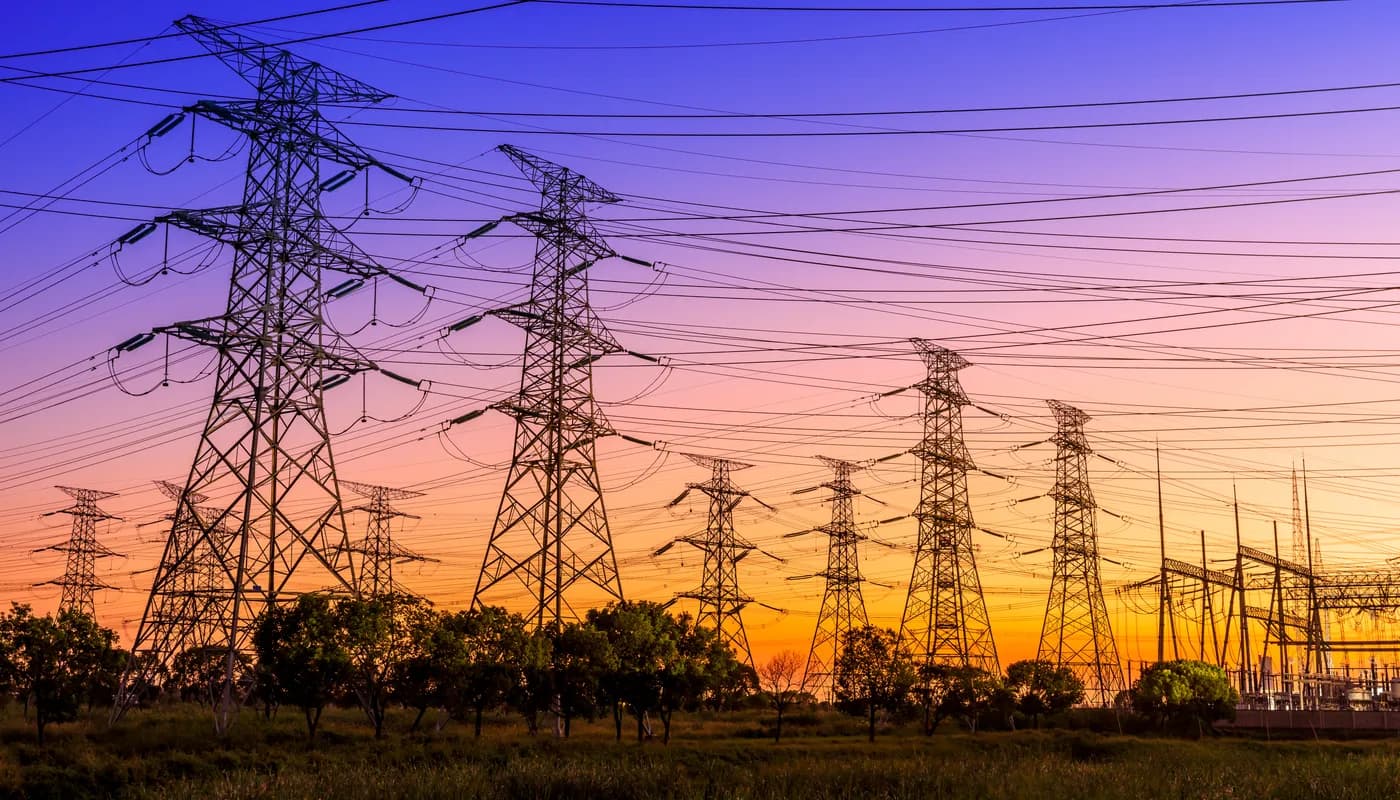
Grid Impact of Unmanaged Charging
A single 7.4 kW home charger draws about the same as two air conditioners. Multiply that by thousands of EVs in a distribution area and the evening peak load spikes dramatically. Residential transformers rated for existing household loads were not sized for this additional demand.
The problem is not total energy consumption. Charging an EV adds about 8-10 kWh per day for an average commuter. That is modest. The problem is when that energy is consumed. Concentrated in the 6 PM to 10 PM window, it coincides with peak household demand from lighting, cooking, and cooling. Spreading that same load across off-peak hours eliminates the grid stress entirely.
Demand Response and Managed Charging
Managed charging shifts EV load to times when the grid has spare capacity. The simplest form is timer-based: the charger starts at midnight when demand is lowest. Smarter implementations respond to real-time grid signals, reducing or increasing charge rates based on current grid conditions.
- Timer-based scheduling: cheapest to implement, significant impact
- Tariff-responsive charging: charges during low-tariff periods automatically
- Direct load control: utility sends signals to throttle charging during emergencies
- Renewable matching: charges faster when solar or wind generation is high
V2G: Vehicles as Grid Assets
Vehicle-to-grid (V2G) technology turns parked EVs into distributed energy storage. During peak demand, EVs can export stored energy back to the grid, reducing the need for peaker plants. During low demand, they absorb excess renewable generation that would otherwise be curtailed.
V2G is still early-stage in India, but the technology is proven and standards are developing. The charger hardware needs to support bidirectional power flow, and the vehicle must enable V2G in its battery management system. As tariff structures evolve to reward grid services, V2G will become economically attractive for fleet operators and commercial buildings.
Tariff Optimization and Infrastructure Planning
Utilities can accelerate managed charging adoption through tariff design. EV-specific tariffs with deep off-peak discounts incentivize overnight charging without mandating it. Time-of-use tariffs where the cheapest rates are between 11 PM and 6 AM naturally shift charging load away from peak hours.
For infrastructure planning, utilities need visibility into where charging load is growing. OCPP-based backends can share anonymized consumption data with distribution utilities, enabling proactive transformer and feeder upgrades before overloads occur. RIOD's smart chargers support demand response protocols and are ready for V2G integration as standards finalize, positioning utilities and CPOs for the grid of tomorrow.
Read Our Next Article
How to Detect Faulty EV Chargers
Resettable RCDs in EV Chargers: What You Need to Know
The Rise of V2G Technology in India
Home Energy Management Systems and Their Role in EV Charging
The Future of Two-Way Energy Communication
What is Dynamic Load Management for EV Charging
Deploying EV charging?
Talk to our team about your project. We design, supply, and manage EV charging infrastructure across India.