
By RIOD Engineering · March 20, 2026
Resettable RCDs in EV Chargers: What You Need to Know
Residual Current Devices (RCDs) are the frontline safety component in every EV charger. They detect current leakage and disconnect the circuit before someone gets electrocuted or a fire starts. But not all RCDs are equal, and the choice between resettable and non-resettable, Type A and Type B, has real implications for safety, uptime, and maintenance costs.
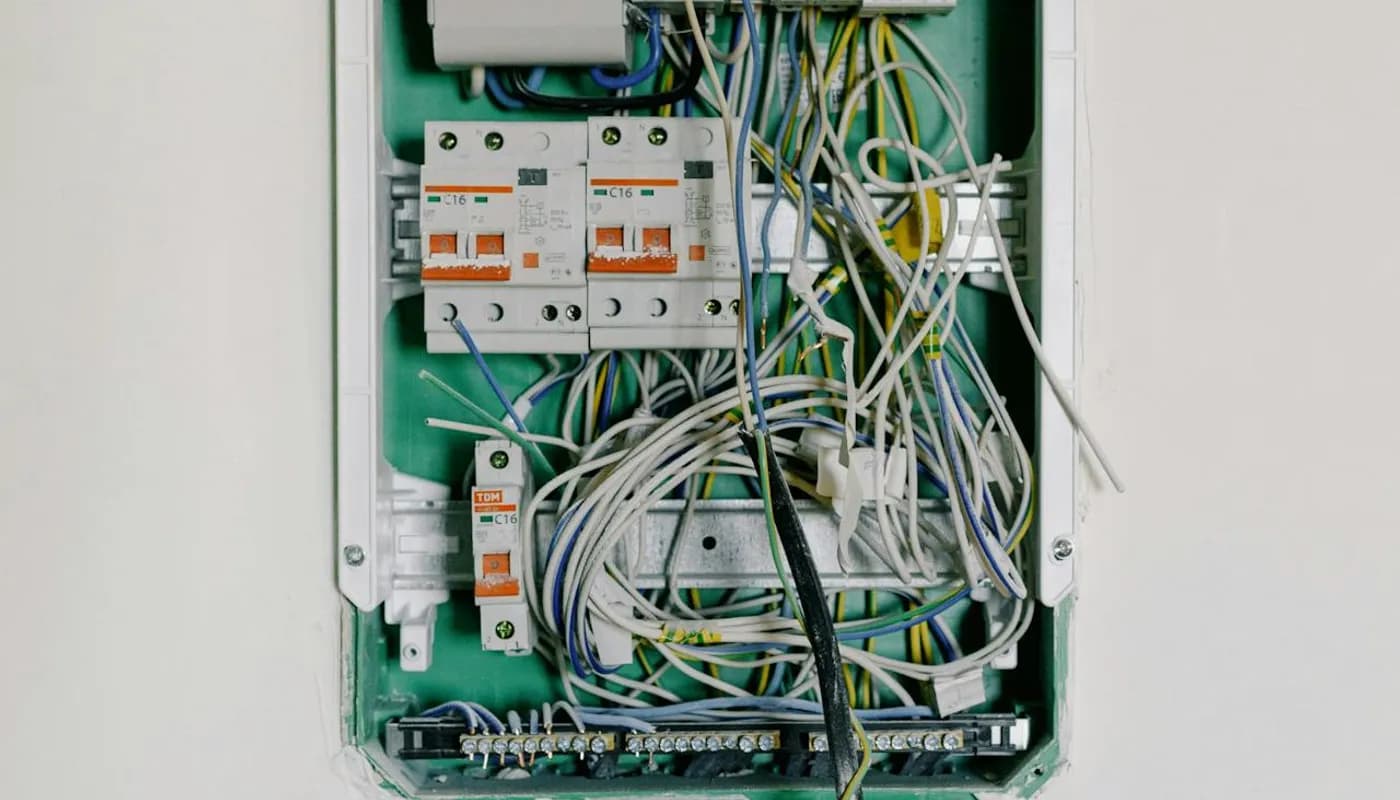
What RCDs Do and Why They Matter
An RCD continuously monitors the current flowing into and returning from a connected device. If there is a difference, it means current is leaking somewhere it should not be, possibly through a person or into the ground. The RCD trips and disconnects the circuit within milliseconds. In EV charging, where high currents flow through a cable that a person physically handles, this protection is non-negotiable.
Without proper RCD protection, a damaged cable, a water-ingress fault, or an internal charger failure could send lethal current through the charging connector. Every certified EV charger includes RCD protection, but the type and quality vary significantly.
Type A vs Type B RCDs
Type A RCDs detect AC leakage currents. They handle most common fault scenarios in AC charging. However, EV chargers with onboard rectifiers can produce smooth DC fault currents that Type A RCDs cannot detect. This is where Type B RCDs come in. They detect both AC and DC residual currents, providing comprehensive protection.
- Type A: Detects AC and pulsating DC leakage currents
- Type B: Detects AC, pulsating DC, and smooth DC leakage currents
- Type A is cheaper but leaves a gap in DC fault detection
- Type B is recommended for EV charging where DC faults are possible
Why Resettable Matters
When a non-resettable RCD trips, it needs physical replacement. That means a technician visit, downtime, and cost. In public or semi-public charging (apartments, parking lots, commercial sites), a single nuisance trip takes the charger offline until someone physically swaps the component.
Resettable RCDs can be reset remotely or by pressing a button on the unit. If the trip was caused by a transient fault (a brief moisture event, a momentary cable issue), the charger is back online in seconds. If the fault is persistent, the RCD trips again and the system flags it for maintenance. This dramatically reduces downtime and service costs.
Indian Standards and Compliance
Indian standards for EV charging safety are evolving. IS 17017 and related standards specify requirements for residual current protection. As the market matures and the installed base grows, enforcement is tightening. Chargers installed today without adequate RCD protection may need expensive retrofits to meet tomorrow's requirements.
RIOD chargers incorporate resettable Type A RCDs with DC fault detection as standard. This ensures compliance with current Indian standards while providing the safety margin that responsible installations demand.
Read Our Next Article

Optimizing Charging Infrastructure for Utilities
How to Detect Faulty EV Chargers
The Rise of V2G Technology in India

Home Energy Management Systems and Their Role in EV Charging

The Future of Two-Way Energy Communication
What is Dynamic Load Management for EV Charging
Deploying EV charging?
Talk to our team about your project. We design, supply, and manage EV charging infrastructure across India.