
By RIOD Engineering · February 15, 2026
The Rise of V2G Technology in India
Vehicle-to-Grid (V2G) technology is emerging as one of the most transformative concepts in India's EV ecosystem. By enabling electric vehicles to feed stored energy back into the power grid during peak demand, V2G converts parked EVs into distributed energy assets, fundamentally changing the relationship between transportation and power infrastructure.
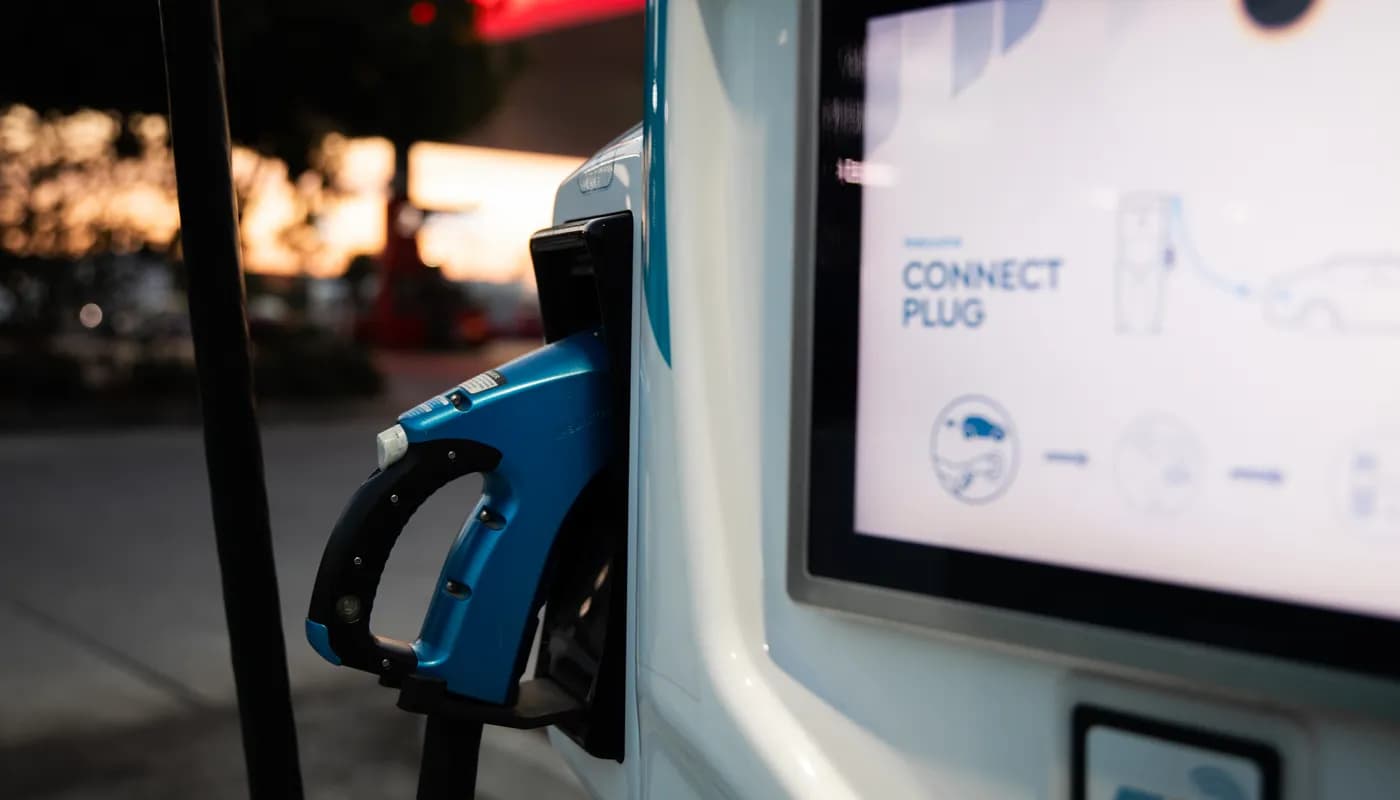
What Is V2G and Why Does It Matter?
V2G refers to bidirectional charging technology that allows EVs to not only draw power from the grid but also return it. During peak demand hours (typically 6 PM to 10 PM in India), parked EVs with sufficient charge can export energy back to the grid, reducing the need for expensive peaker plants and stabilizing supply.
For a country like India, where distribution infrastructure is under immense pressure and renewable energy generation is growing rapidly, V2G offers a compelling solution: millions of mobile batteries that can absorb surplus solar energy during the day and release it when demand peaks in the evening.
The Technology Stack Behind V2G
V2G requires bidirectional inverters in the charging hardware, battery management systems in the vehicle that permit reverse power flow, and a smart backend platform that orchestrates energy transactions between the EV, the charger, and the grid operator.
Communication protocols like ISO 15118 and OCPP 2.0.1 are essential for enabling the handshake between the vehicle, charger, and grid. The charger must verify the vehicle's battery state, negotiate energy flow direction, and meter the transaction accurately for billing and grid balancing.
India's V2G Roadmap
Several Indian states are piloting V2G projects. The Bureau of Energy Efficiency has signaled support for bidirectional charging standards, and CERC's evolving tariff frameworks are creating economic incentives for grid services from distributed energy resources.
RIOD's charger architecture is designed with V2G-ready hardware from the ground up. Our bidirectional power electronics, OCPP 2.0.1 support, and cloud-based energy management platform position our customers to participate in V2G programs as they become commercially available.
Challenges and the Path Forward
Battery degradation concerns, standardization gaps, and regulatory clarity remain hurdles. However, studies show that managed V2G cycling within specific state-of-charge windows has minimal impact on battery life. As automakers and regulators align on standards, V2G will transition from pilot to mainstream within the next 3-5 years.
Read Our Next Article
Optimizing Charging Infrastructure for Utilities
How to Detect Faulty EV Chargers
Resettable RCDs in EV Chargers: What You Need to Know
Home Energy Management Systems and Their Role in EV Charging
The Future of Two-Way Energy Communication
What is Dynamic Load Management for EV Charging
Deploying EV charging?
Talk to our team about your project. We design, supply, and manage EV charging infrastructure across India.