
By RIOD Engineering · June 9, 2026
Workplace EV Charging Billing and Reimbursement
The two questions HR asks when workplace charging is proposed: how do we bill it, and is it a taxable perk? Both have clean answers if the platform is built to hand off cleanly to payroll and finance.
This is what a workable billing model looks like for Indian workplaces.

Policy options
Free as a perk (simplest, no billing needed, taxable status depends on jurisdiction). Energy at cost (kWh-metered, deducted from salary at the tariff rate). Slab subsidy (first N kWh free, additional kWh billed). Paid via UPI per session (no employer subsidy, chargers are amenity access).
Different companies pick differently. What matters is the platform supporting all four without a custom build every time policy changes.
Payroll and HRMS export
Monthly reports export in the format your finance team wants (CSV, Excel, or a direct API to the HRMS). Per-employee kWh, rate applied, amount to deduct. Reconciles to the sum of session records.
For companies on SAP SuccessFactors, Workday, GreytHR or similar, we build direct API integration so the deduction lands in the right pay period automatically. No spreadsheet handoffs.
Home charging reimbursement
Field employees who charge at home need reimbursement for work-related energy. The platform extends to home chargers (RIOD or third-party) that report to the same backend. Kilowatt-hours consumed against a work threshold, reimbursed via payroll credit.
For fleet drivers whose vehicles are company-owned but driven home, the entire home-charging cost is often reimbursable, the platform handles both models.
Tax and compliance notes
In India, workplace charging as a perk has evolving tax treatment. The safe path is to consult your CA at build time; the platform generates the records needed for any classification. GST-compliant invoicing supported for cases where the workplace CPO is a separate legal entity billing the employer.
Payroll export fields
- Employee ID
- Number of sessions and total kWh
- Applied tariff and subsidy
- Payroll deduction or reimbursement amount
- GST invoice reference where applicable
Policy examples
- Free charging as an employee perk
- Energy at cost, deducted from payroll
- Monthly kWh allowance with overage billing
- UPI-paid charging with no employer subsidy
- Home-charging reimbursement for field employees
Compliance caveat
Tax treatment of workplace charging as a perk or reimbursement should be reviewed by your chartered accountant based on current Indian tax law. The platform preserves the records needed to support whichever classification your CA advises.
Read Our Next Article

Employee EV Charging Access: App, RFID and BLE
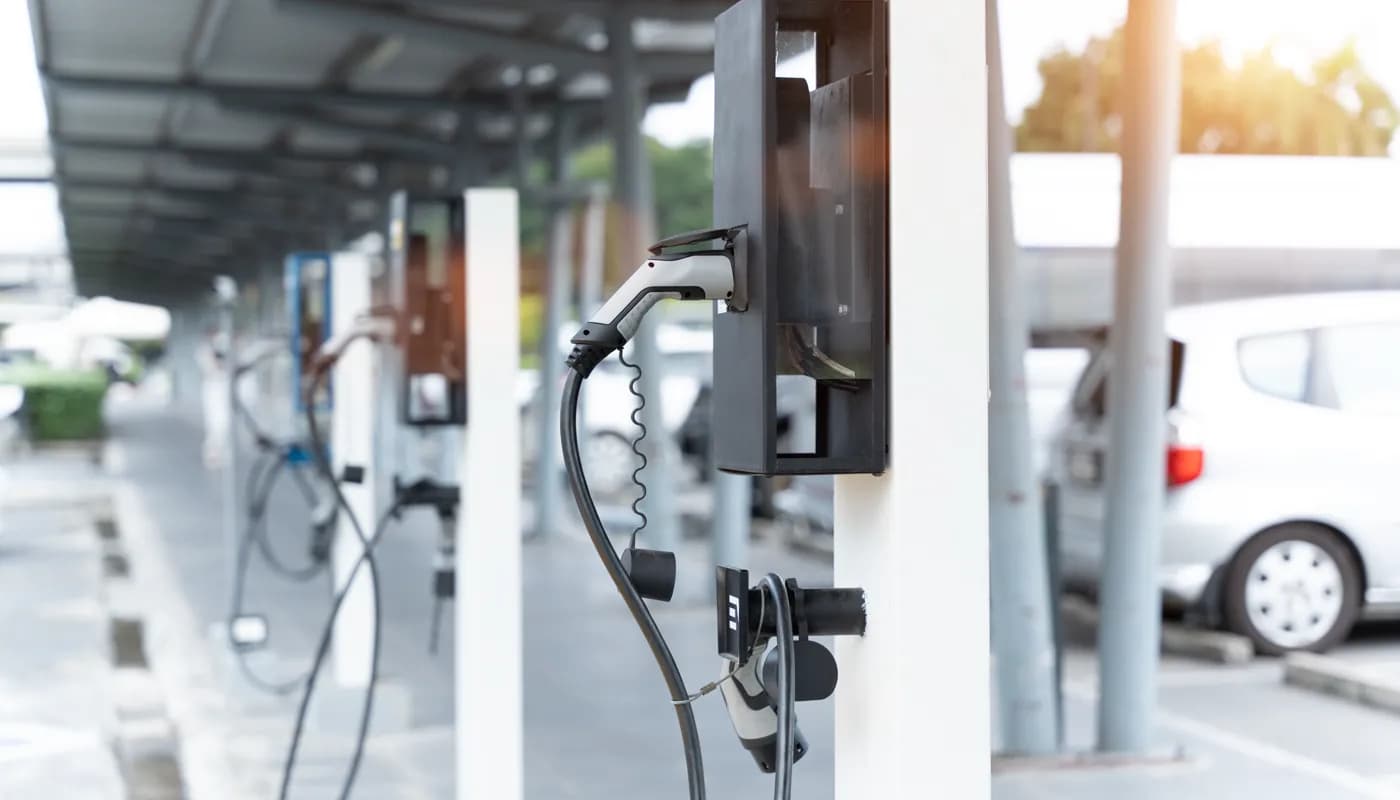
Load Sharing for Office EV Chargers
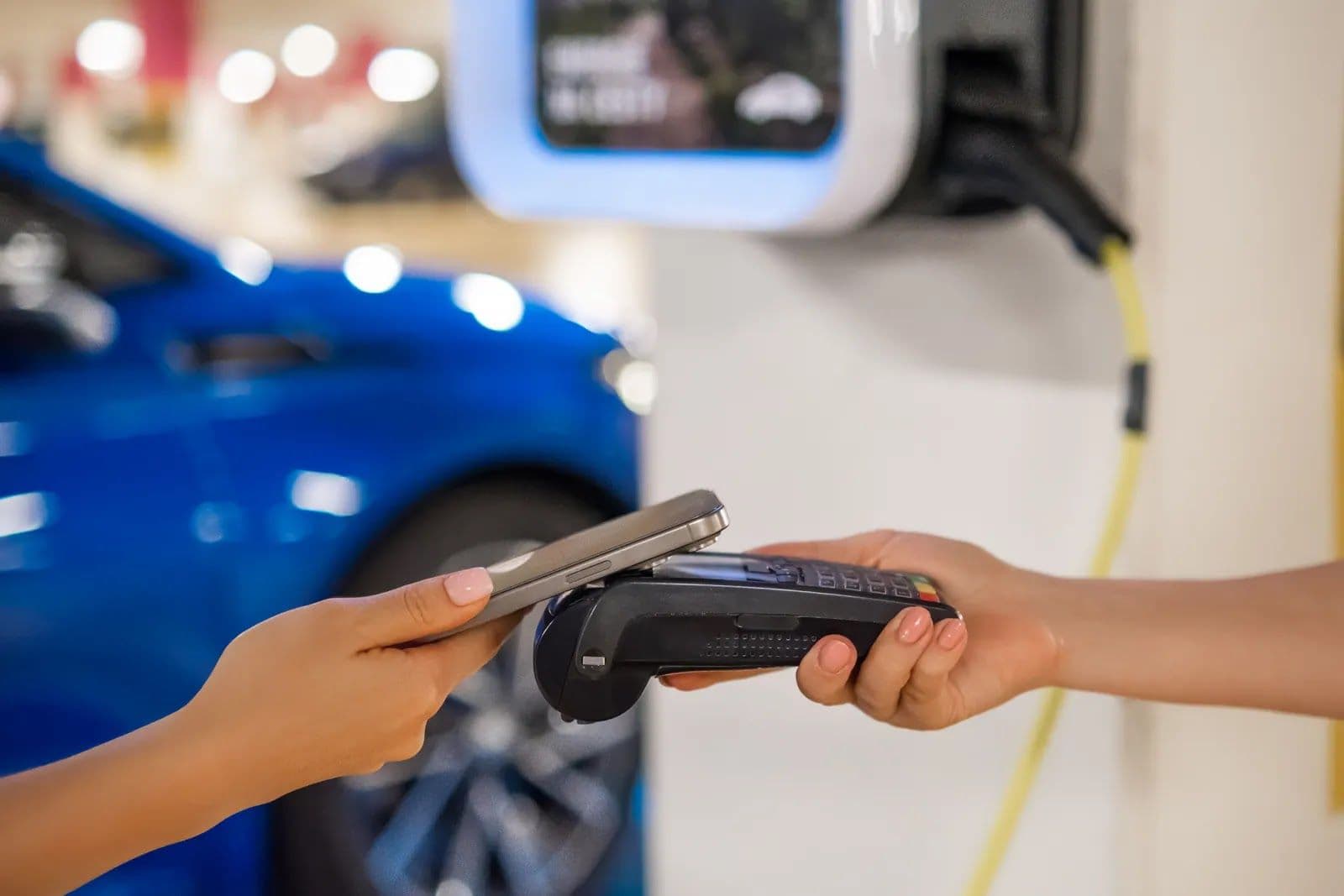
Payment Migration for EV Charging Networks: What Gets Missed

The Zero-Downtime CMS Migration Playbook

OCPP Profile Drift: Why “OCPP-Compatible” Isn’t Enough for CMS Migration
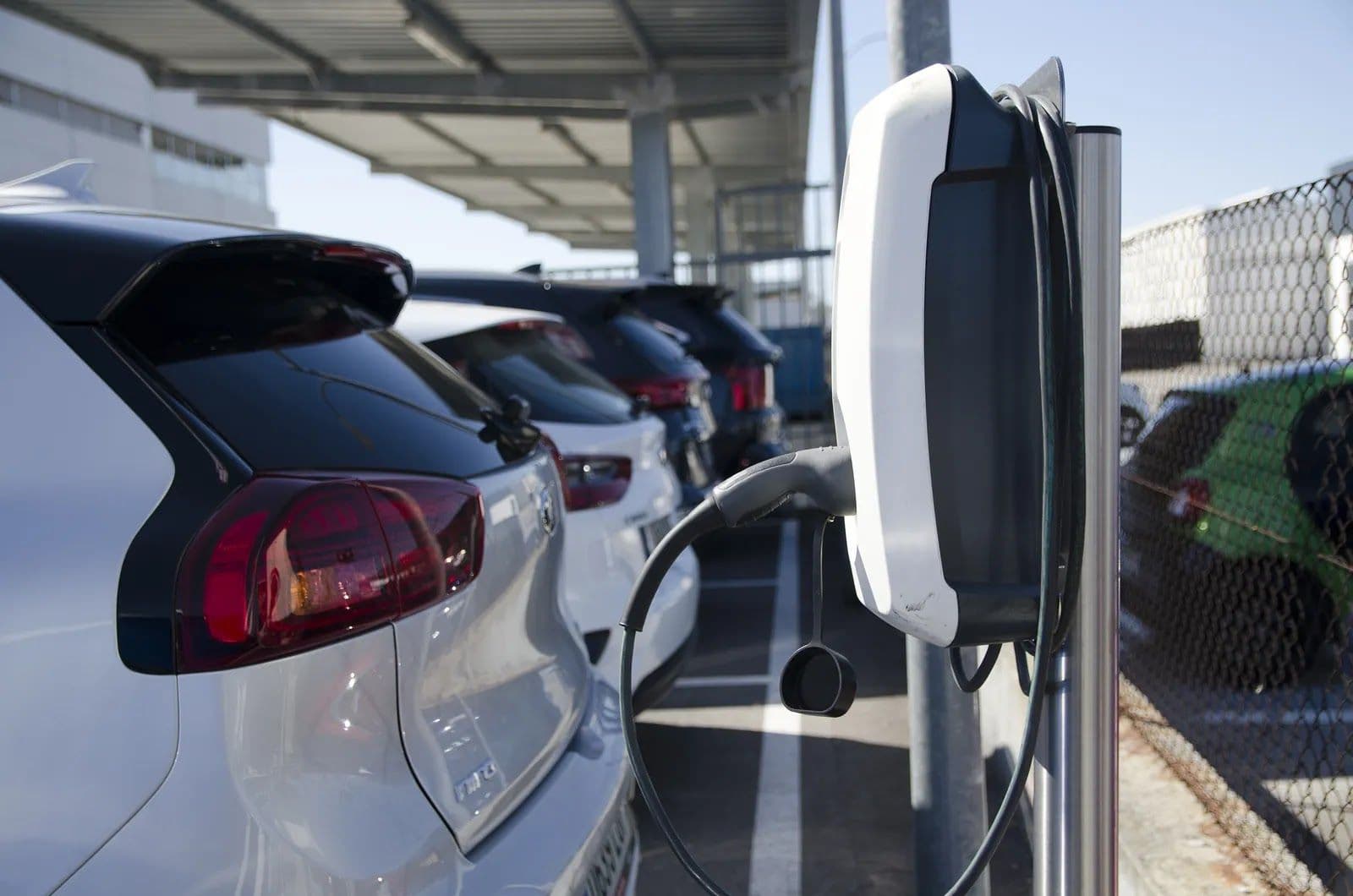
Enel X Way Shutdown: The Migration Checklist for CPO Fleets
Deploying EV charging?
Talk to our team about your project. We design, supply, and manage EV charging infrastructure across India.