
By RIOD Engineering · June 5, 2026
Employee EV Charging Access: App, RFID and BLE
Workplace charging fails at the access-control problem before it fails at anything else. Who can charge, when, for how long, and how do we handle guests. The technology answers are all boringly solved; what breaks is choosing the right one for the site.
Here's a comparison of the three main access methods and how to combine them.
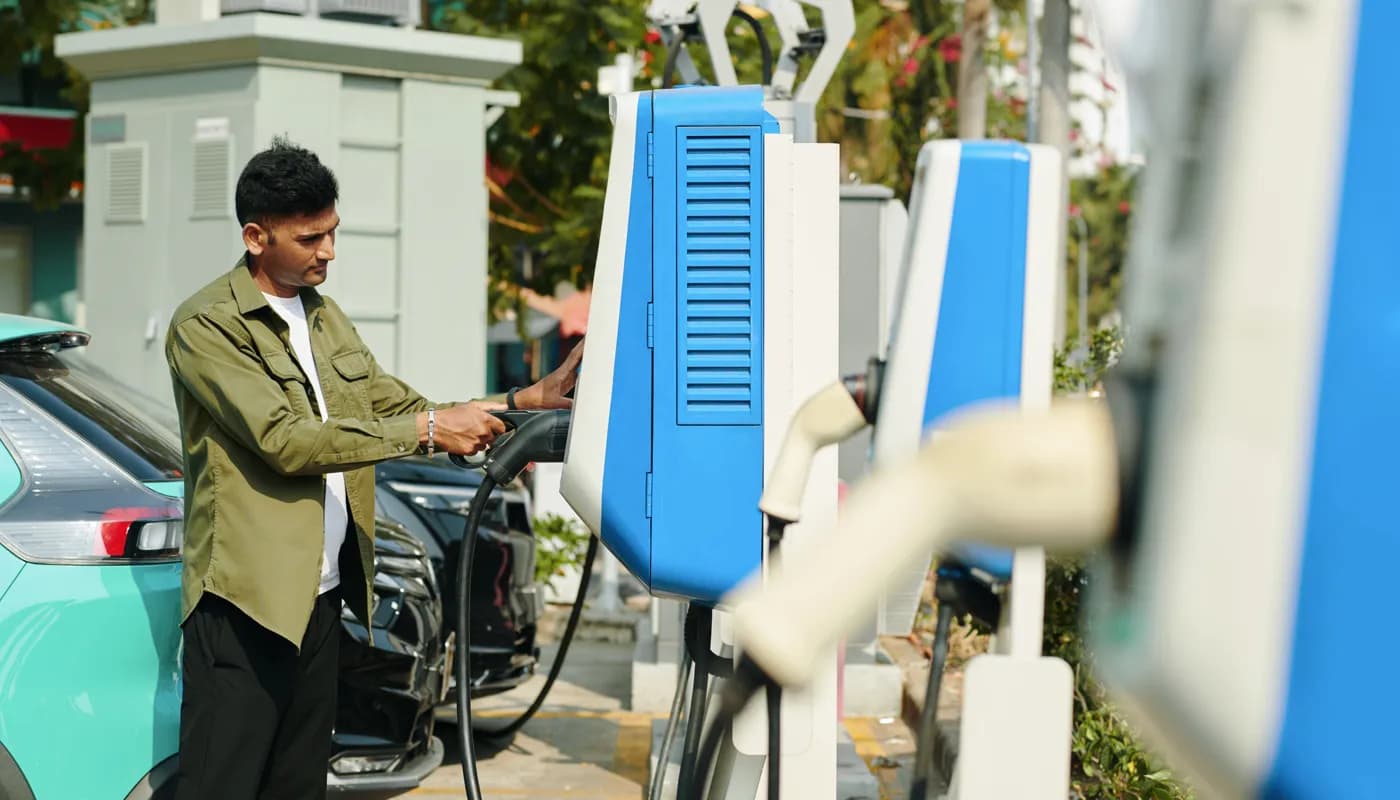
App-based access
The app authenticates the employee (usually via SSO with the corporate identity provider), authorizes the session at the charger, and delivers the driver experience (queue, notifications, session history).
Best when: employees have modern phones and the workplace is on a network. Weakest when: basement parking with no signal, or a workforce with mixed phone quality.
RFID cards
A simple RFID card at every charger, provisioned from the HRMS employee list. Tap to authenticate, session starts. No app needed for basic access; app still available for booking and history.
Best when: reliability trumps features. Cards work every time, in every basement, with no phone battery dependency. Onboarding and offboarding is a physical process (which is fine, HR knows how to do this).
BLE proximity
The phone stores an access token; when it's within a few metres of the charger, the driver taps 'start' in the app and the charger authorizes via BLE. Works with no network coverage on either the phone or the charger.
Best when: basement parking, poor cellular, or high employee turnover where RFID card logistics get painful. RIOD ships BLE access as the basement-proof default.
Onboarding and offboarding
HRMS sync is the mechanism. Employee joins: their identity is provisioned into the charging platform with default policy. Employee leaves: access revoked automatically. Manual processes for this always leak; automate from day one.
Guest passes deserve their own flow, a short-lived QR or link the employee can generate for a visitor, valid for a day, ideally with a small guest tariff to prevent abuse.
Access method matrix
| Method | Strengths | Weakness |
|---|---|---|
| App | Best driver experience, session history, notifications | Needs phone and (usually) network coverage |
| RFID | Reliable for enrolled employees, hardware-independent | Weak for one-off guests |
| BLE | Works offline in basement or campus dead zones | Requires app install on the driver's phone |
Guest access flow
- Employee generates a guest link or QR from the app
- Guest access is time-limited (typically same-day)
- Optional paid session for visitor charging
- Automatic expiry with audit log entry
HRMS synchronisation
- Joiner: new employee provisioned with default department policy
- Department policy: different rules for different teams if HR requires
- Leaver: access revoked automatically on exit
- Audit log for compliance and disputes
Read Our Next Article
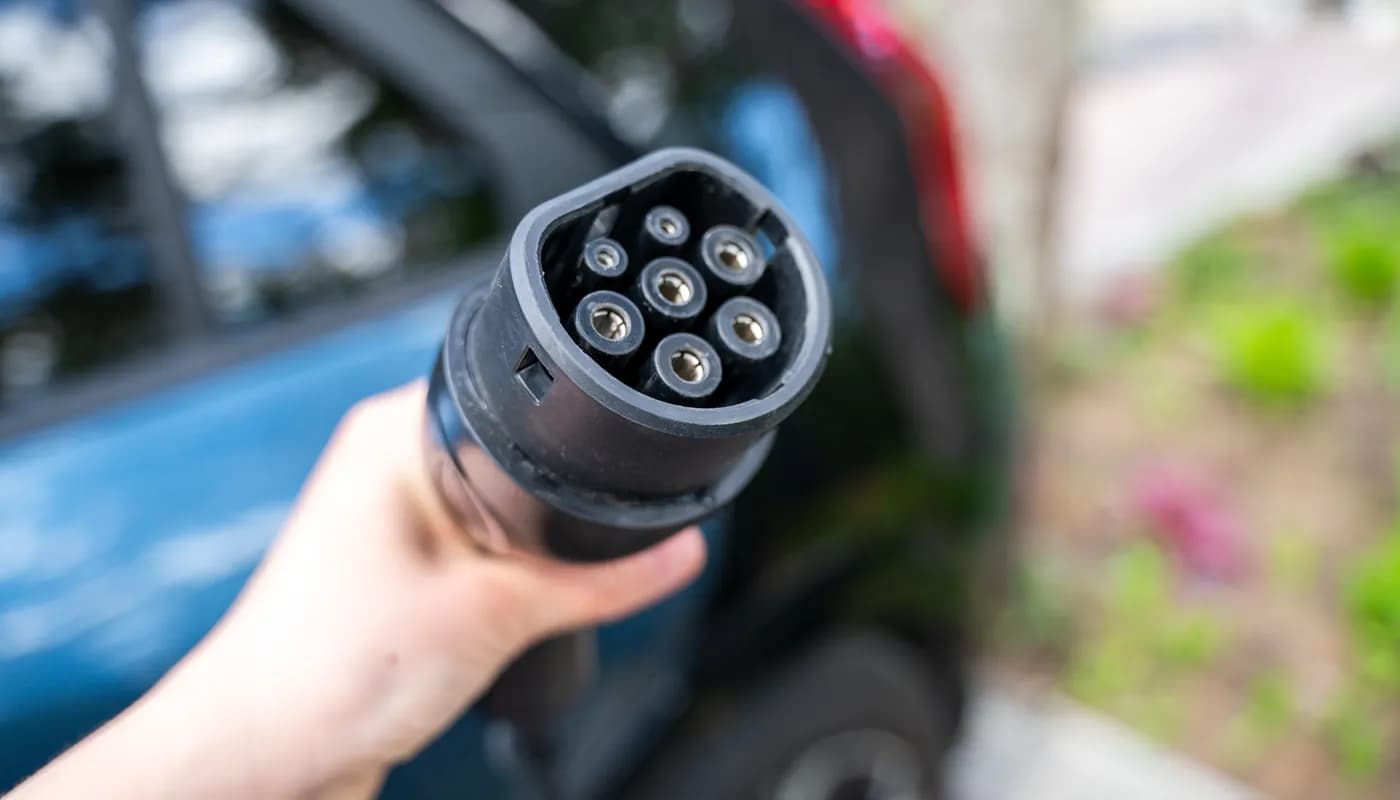
Workplace EV Charging Billing and Reimbursement
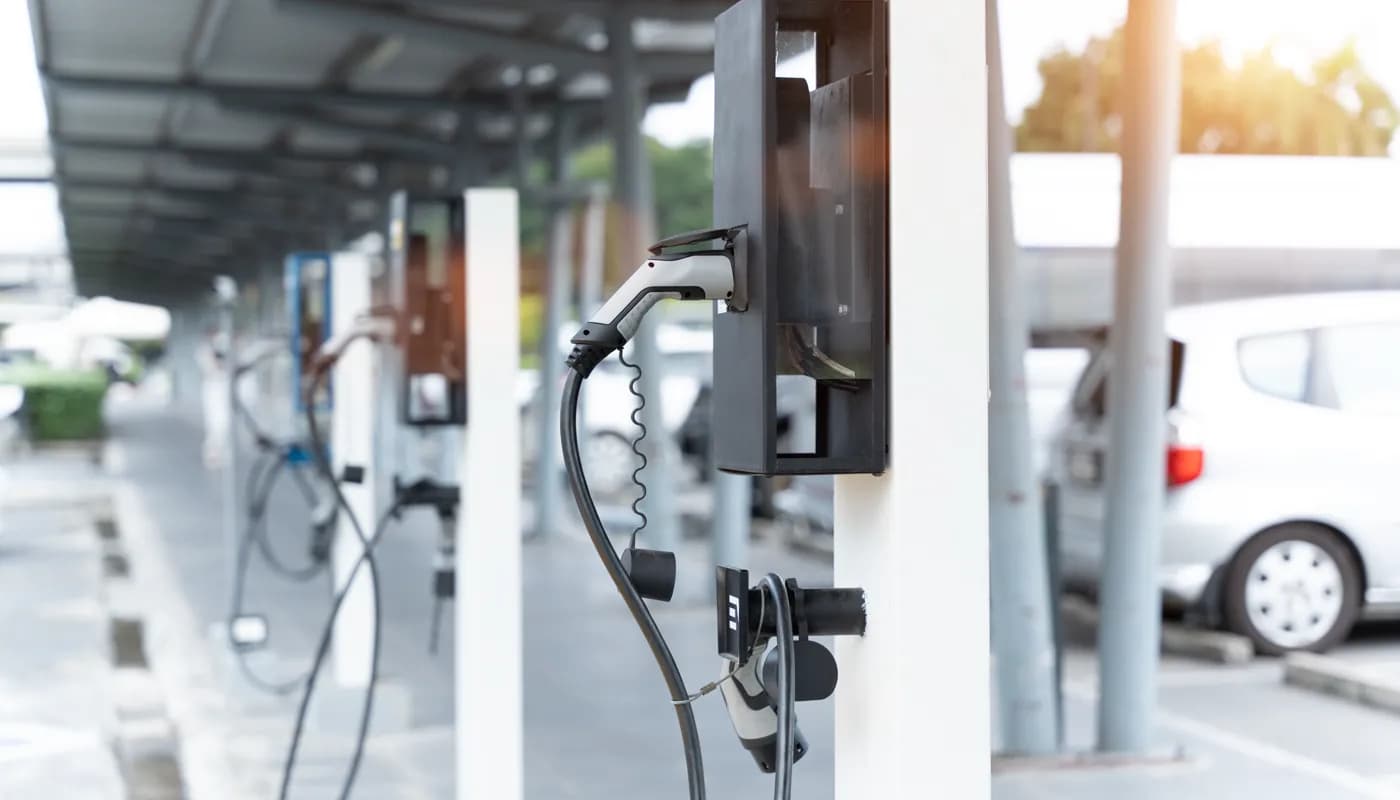
Load Sharing for Office EV Chargers
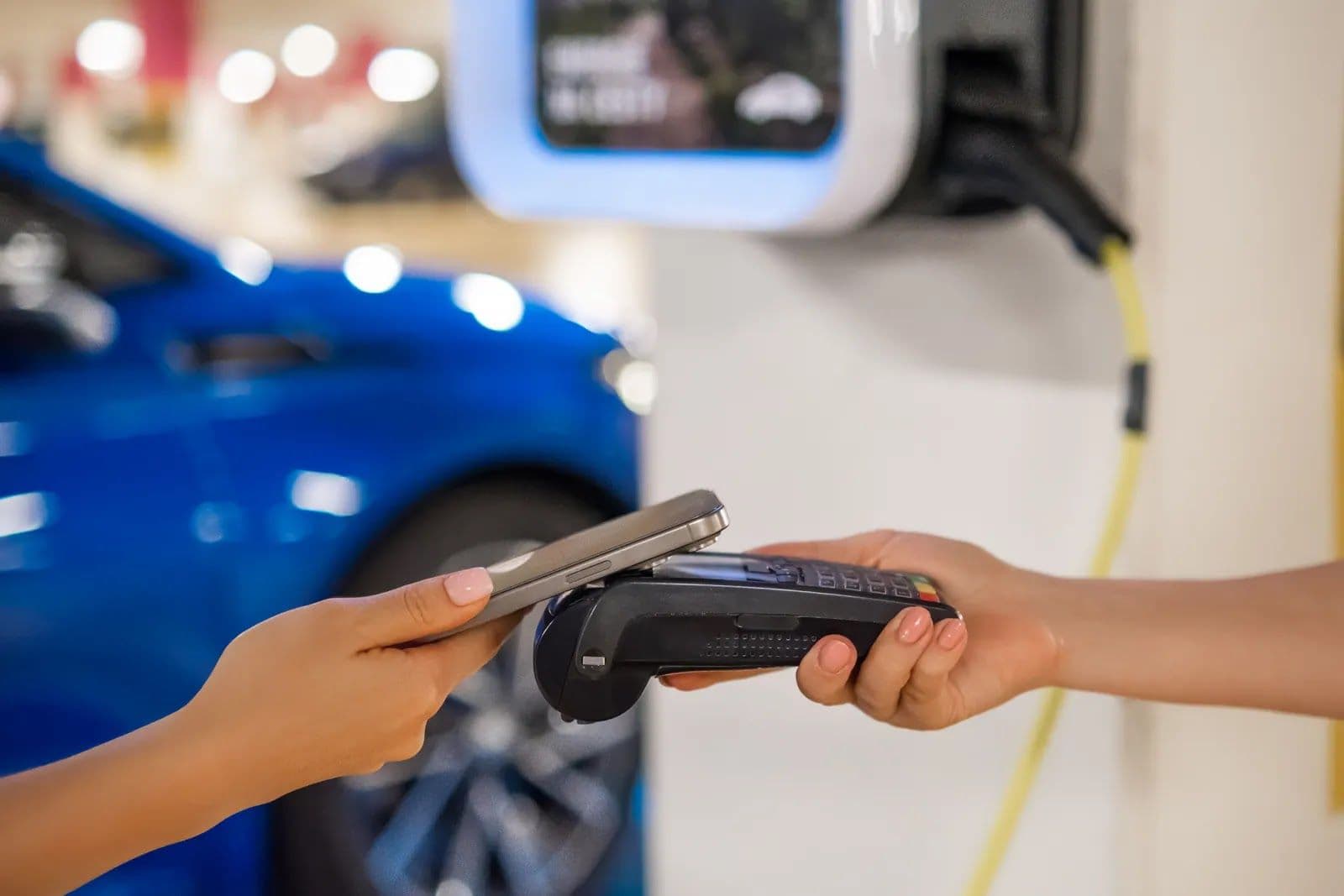
Payment Migration for EV Charging Networks: What Gets Missed
The Zero-Downtime CMS Migration Playbook
OCPP Profile Drift: Why “OCPP-Compatible” Isn’t Enough for CMS Migration
Enel X Way Shutdown: The Migration Checklist for CPO Fleets
Deploying EV charging?
Talk to our team about your project. We design, supply, and manage EV charging infrastructure across India.