
By RIOD Engineering · October 30, 2025
Public vs Private EV Charging: Key Differences
Public and private EV charging serve different needs, use different business models, and have different technical requirements. Understanding the distinction helps whether you are an EV owner deciding where to charge or a business considering installing chargers.

Defining the Terms
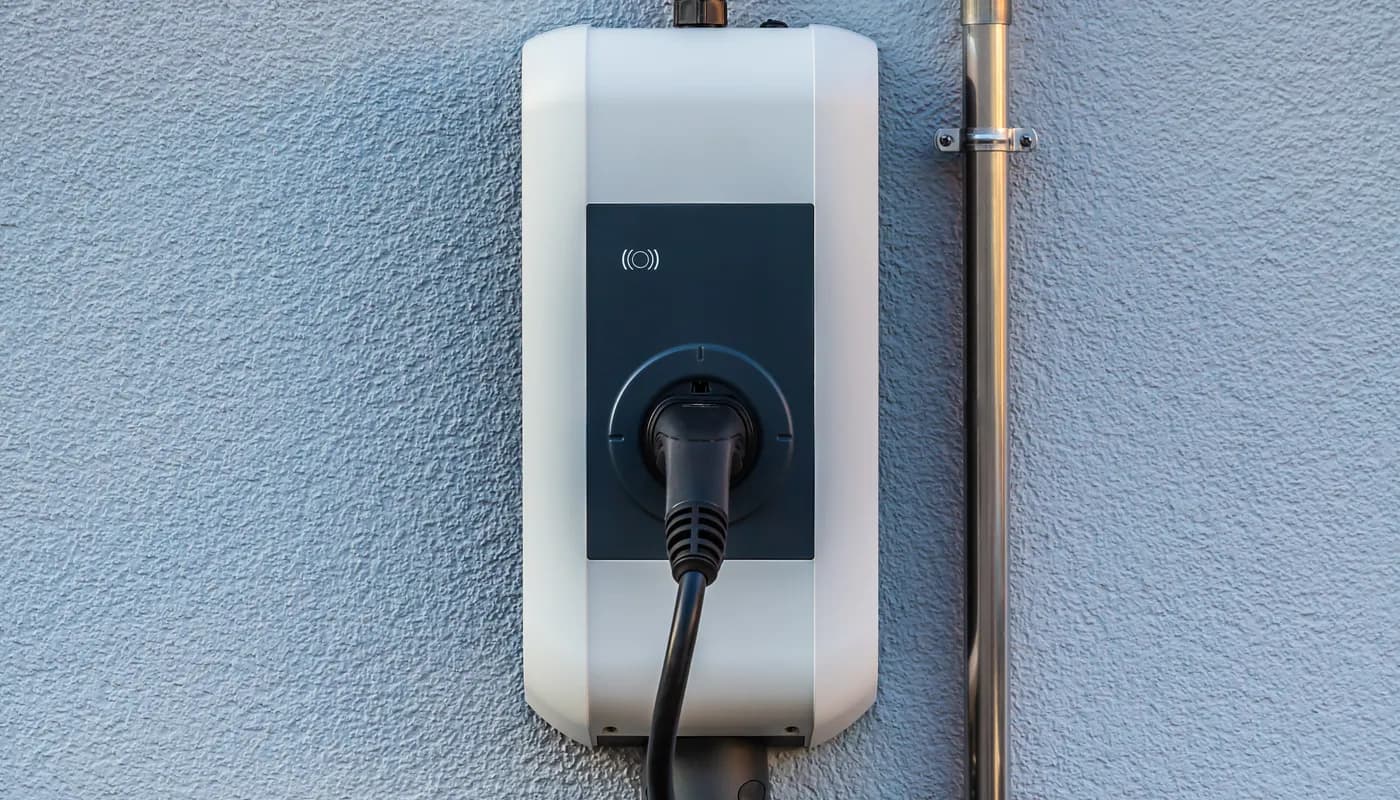
Private charging means chargers installed at homes, apartment complexes, or workplaces for use by a defined group of people. You control access, and the electricity cost is either borne directly by the user or subsidized by the property owner.
Public charging means chargers accessible to any EV driver, typically at fuel stations, highway rest stops, malls, or dedicated charging hubs. These operate on a commercial model where the operator charges per kWh or per session.
Cost Comparison
Private charging is almost always cheaper. Home electricity rates are Rs 3-8 per kWh. Public chargers mark up to Rs 10-25 per kWh to cover hardware costs, rent, maintenance, network fees, and profit margin. Over a year of daily driving, the difference can add up to Rs 15,000-40,000.
- Home charging: Rs 0.40-1.10 per km
- Public AC: Rs 1.50-2.50 per km
- Public DC fast: Rs 2.50-4.00 per km
- All still cheaper than petrol at Rs 5-7 per km
Hardware and Infrastructure Differences
Private chargers are simpler. A home charger is a single unit on a wall. Public chargers need weather-resistant enclosures, payment systems, network connectivity, user displays, multiple connectors, and vandal-resistant construction. DC public chargers also need high-power electrical connections and potentially their own transformer.
Public chargers must comply with government standards for safety, accessibility, and interoperability. Private chargers have fewer regulatory requirements.
Use Cases and Strategy
The ideal approach for most EV owners is to do 80-90% of charging at home or work (private) and use public chargers only when needed during travel. This minimizes cost and maximizes convenience. Public charging infrastructure is critical for intercity travel and for EV owners who cannot install private chargers, such as those without dedicated parking.
For businesses evaluating charger installation, the question is whether the chargers are a service for employees/tenants (private) or a revenue-generating amenity for customers (public). The hardware, software, and regulatory requirements differ significantly between the two.
Read Our Next Article

Improving Charger Utilization for CPOs
Preventing Parking Misuse at Charging Stations
Extending the Life of EV Charging Stations
Operations Best Practices for Charge Point Operators

Reducing Installation Cost of EV Charging Stations
Home EV Charging: What Works Best
Deploying EV charging?
Talk to our team about your project. We design, supply, and manage EV charging infrastructure across India.