
By RIOD Engineering · April 8, 2026
Preventing Parking Misuse at Charging Stations
You have invested in charging infrastructure, but a petrol car is parked in the charging bay. Or an EV that finished charging two hours ago is still occupying the spot. Parking misuse, known as ICE-ing when non-EVs block charger spots, is one of the most frustrating operational challenges for CPOs and site owners. It kills utilization, annoys drivers, and wastes revenue potential. Here is how to fight it.
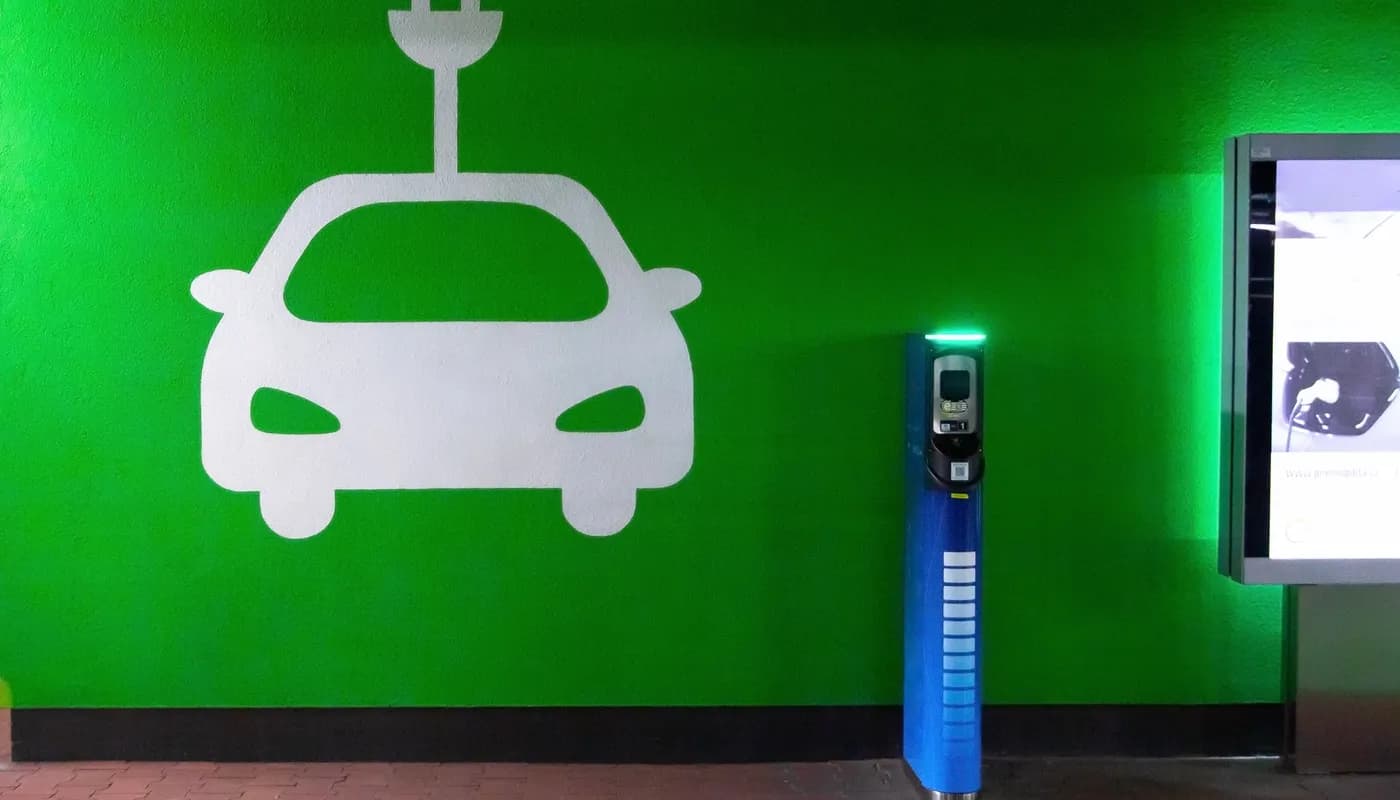
The ICE-ing Problem
ICE-ing refers to internal combustion engine vehicles parking in spots reserved for EV charging. It happens everywhere: malls, apartments, office buildings, and public lots. The driver either does not notice the signage, does not care, or figures they will only be a minute. For the EV driver who needs to charge, it means finding another station or waiting.
In apartment societies, ICE-ing is especially common in the early adoption phase when most residents still drive petrol or diesel cars and view charger bays as regular parking. The problem grows as more chargers are installed and more bays are designated.
Physical Deterrents
Physical barriers are the most effective first line of defense. Retractable bollards that only lower when a charging session is initiated keep non-EVs out entirely. Painted markings and clear signage make the designation unmistakable. Some installations use wheel stops or parking barriers that release via the charging app.
- Retractable bollards integrated with the charging management system
- High-visibility green paint and EV charging signage
- Ground-level LED indicators showing bay availability
- Physical barriers that unlock only via the CPO's app
App-Based Reservation and Penalties
Allowing drivers to reserve charging bays via an app reduces conflict. The reservation system holds a bay for a set window, and only the reserved user can start a charging session. In apartment settings, assigned bays with smart chargers eliminate the reservation problem entirely.
Penalties for overstaying work in commercial settings. Once charging is complete, a time-based idle fee kicks in. This encourages drivers to move their vehicles promptly. The fee shows up on their charging receipt, making the consequence clear and automatic.
Time-Based Charging Fees
Combining energy fees with time-based occupancy fees is the most effective economic deterrent against bay hogging. Charge a per-kWh rate for energy plus a per-minute rate after charging completes. Set the idle fee high enough to motivate drivers to move their cars but reasonable enough to avoid complaints.
This approach works especially well at high-demand locations like malls and commercial buildings where turnover matters. The charging platform handles the fee calculation and billing automatically. RIOD's backend platform supports configurable idle fees, reservation management, and real-time bay status for exactly these use cases.
Read Our Next Article
Improving Charger Utilization for CPOs
Extending the Life of EV Charging Stations

Operations Best Practices for Charge Point Operators
Reducing Installation Cost of EV Charging Stations
Home EV Charging: What Works Best
EV Charger Specifications That Actually Matter for Buyers
Deploying EV charging?
Talk to our team about your project. We design, supply, and manage EV charging infrastructure across India.