
By RIOD Engineering · April 2, 2026
Extending the Life of EV Charging Stations
An EV charger is a capital investment. Whether you paid for a single home unit or a fleet of commercial chargers, you want them to last. The good news is that chargers are not inherently short-lived products. With proper care, a quality unit should deliver 8-10+ years of reliable service. The bad news is that neglect, poor installation, and harsh environments shorten that lifespan dramatically.
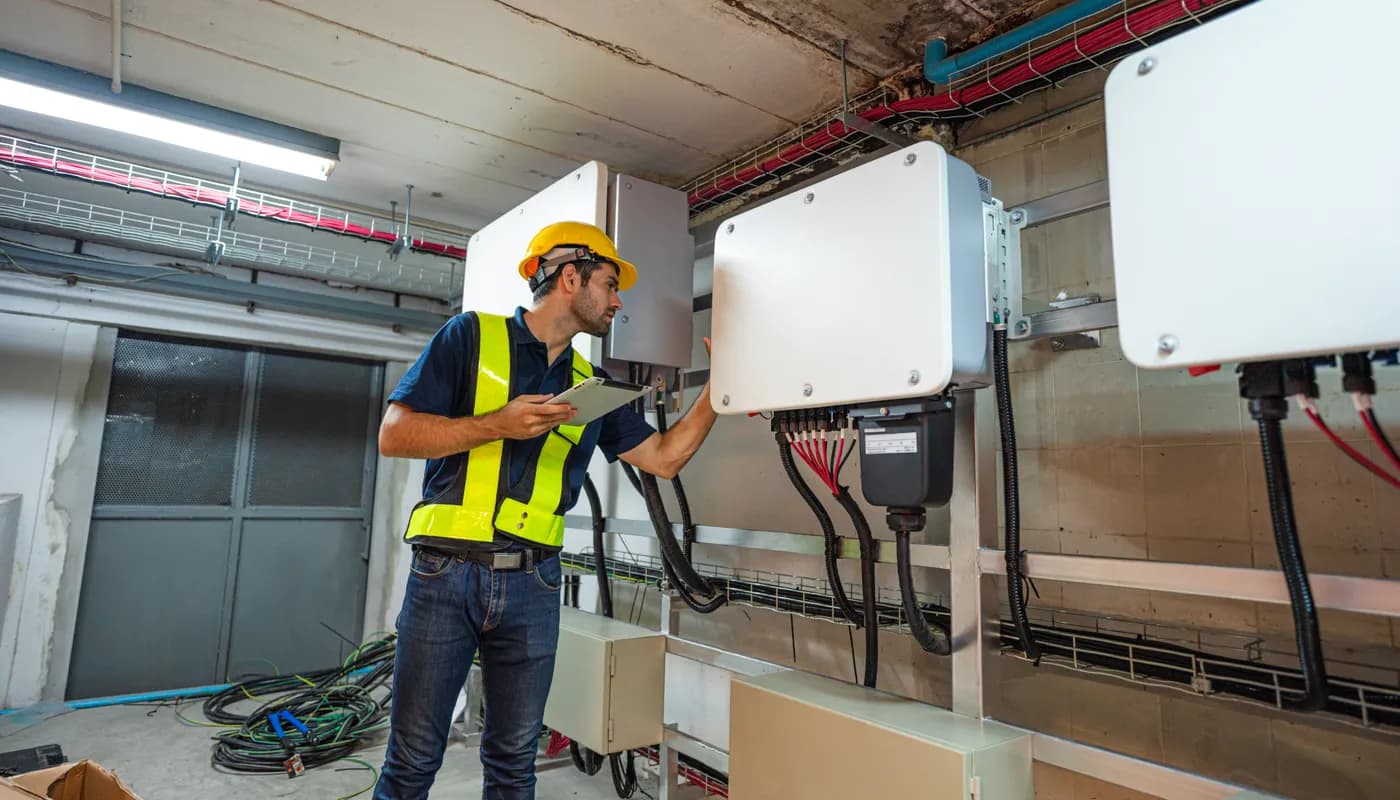
Environmental Protection
Indian conditions are brutal on outdoor electronics. Summer temperatures above 45 degrees Celsius, monsoon humidity, coastal salt air, and construction dust all attack charger components. The first line of defense is proper IP-rated enclosures, but even the best enclosure needs help.
Install chargers under cover wherever possible. A simple roof or canopy dramatically reduces UV exposure, rain impact, and thermal cycling. If a canopy is not feasible, position the charger so it is not in direct afternoon sun. These simple placement decisions can add years to the unit's life.
Cable Management
Charging cables take the most physical abuse of any component. Drivers run over them, drag them across concrete, and yank them out of connectors. Providing cable management hooks or retractors keeps cables off the ground and reduces wear. Inspect cables monthly for cracks, kinks, or exposed conductors.
Replace cables at the first sign of insulation damage. A cable with compromised insulation is a safety hazard, not just a cosmetic issue. Budget for cable replacement every 3-4 years in high-traffic public installations.
Firmware Updates and Cleaning
Firmware updates are not just about new features. They often include fixes for edge-case bugs that cause unnecessary component stress, like a relay cycling too frequently or a power module running hotter than necessary. Keeping firmware current extends hardware life.
Physical cleaning matters too. Dust buildup inside ventilation openings reduces cooling efficiency, forcing components to run hotter. Insects nesting in enclosures cause short circuits. A quarterly cleaning schedule, including compressed air on vents and inspection of seals, prevents these issues.
Surge Protection
Grid power surges and lightning strikes destroy charger electronics instantly. Built-in surge protection handles minor spikes, but external surge protection devices (SPDs) at the distribution panel provide an additional layer. In lightning-prone areas, this is not optional.
- Install Type 2 SPDs at the charger's dedicated circuit breaker
- Use Type 1 SPDs at the building's main panel for lightning protection
- Check SPD status indicators during routine maintenance
- Replace SPDs immediately after a surge event, even if the charger appears functional
Read Our Next Article
Improving Charger Utilization for CPOs
Preventing Parking Misuse at Charging Stations
Operations Best Practices for Charge Point Operators
Reducing Installation Cost of EV Charging Stations
Home EV Charging: What Works Best
EV Charger Specifications That Actually Matter for Buyers
Deploying EV charging?
Talk to our team about your project. We design, supply, and manage EV charging infrastructure across India.