
By RIOD Engineering · June 2, 2026
Electric Bus and Logistics Fleet Charging in India
An e-bus depot doesn't need a charging system. It needs a pull-out planning system that happens to control chargers. The morning schedule is fixed; the software's job is to guarantee every bus is ready.
Same principle for logistics and last-mile fleets: charging is a means; route readiness is the goal.
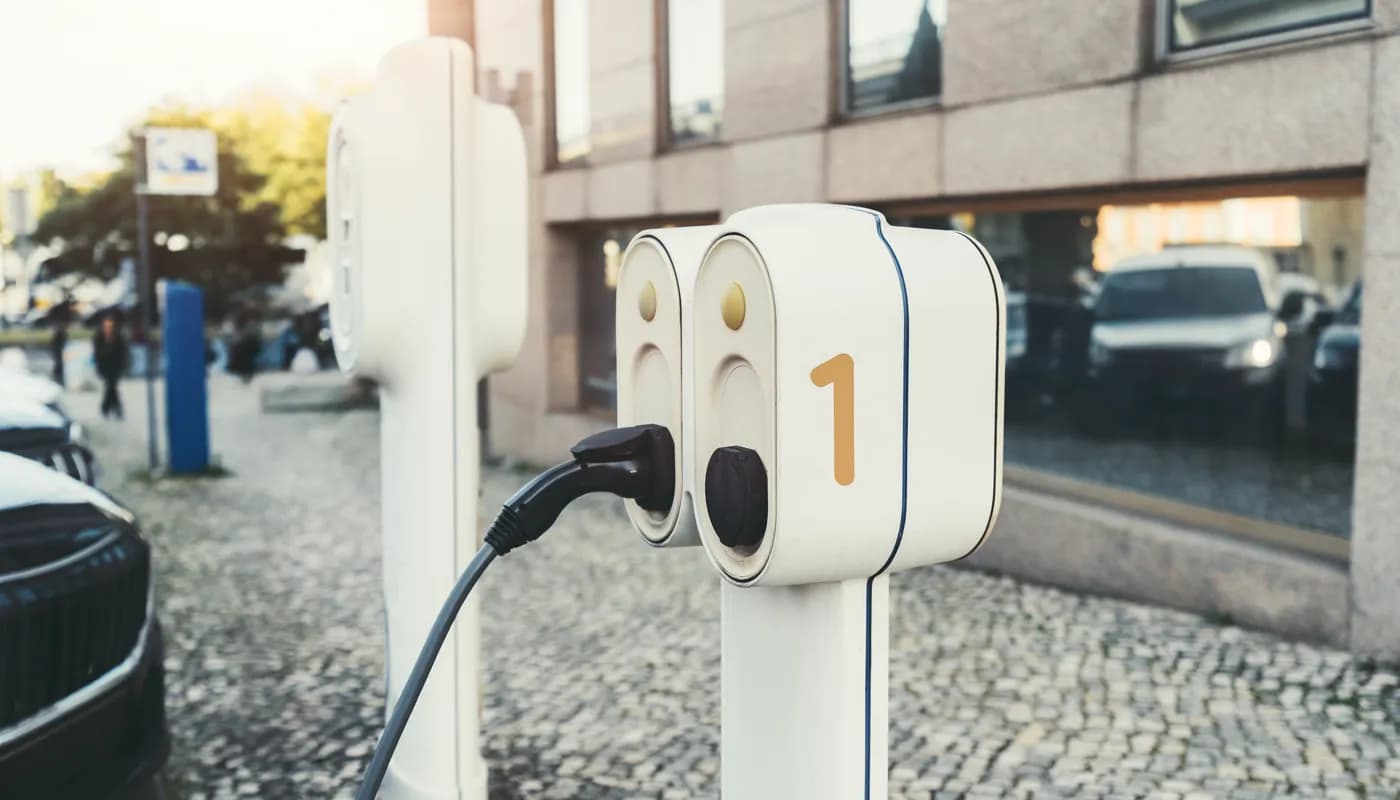
E-bus depot realities
Pull-out schedules are fixed by the transport authority. Buses need 80%+ SoC by their pull-out time. Depot power is capped by DISCOM sanctioned load. Driver shifts constrain which buses can be plugged in when. Downtime for a bay reduces the fleet's effective size for that day.
The charging scheduler needs to hold all of this simultaneously. It's a constraint satisfaction problem more than a control problem, and it gets easier the more inputs it has (real-time SoC via telematics, live weather, expected route load).
Opportunity charging
Some fleets, city buses on shorter loops, e-rickshaws on last-mile, can charge between runs. Opportunity charging pushes 15-20 minute top-ups during driver breaks or turnaround. Requires very fast chargers (150-450 kW) and coordination with the route timetable.
For fleets that can adopt it, opportunity charging turns a depot-charged fleet with 200 km range into an effectively-unlimited-range fleet. Fleet size drops by 10-15% for the same route coverage because vehicles are utilized longer per day.
Cost per km and per route
Fleet finance teams need charging cost broken down per route, per shift, per driver. Not just total energy cost, but tariff-window breakdowns (how much was cheap night power vs expensive peak power) and per-vehicle deltas (which buses cost more per km, and why).
The reporting layer answers procurement questions: which new buses to add, which routes to prioritize for opportunity charging, whether an in-depot solar installation would pay back. Good data closes those conversations in days instead of months.
Route-readiness checklist
- Bus ID and assigned route
- Scheduled departure time
- Current SoC vs target SoC for the route
- Assigned charger and connector
- Charging window (start/end) allocated by the scheduler
- Exception status: needs manual attention, low battery, faulted
Depot vs opportunity charging
- Depot charging: full top-up overnight for the next day's routes
- Opportunity charging: 10 to 20 minute top-ups during driver breaks on high-utilization routes
- Most fleets use both, with depot as the baseline and opportunity as the extender for shorter turn-around routes
Fleet reports fleet finance actually reads
- Cost per kilometre per vehicle and per route
- Missed departure risk index (buses trending toward missed pull-outs)
- Charger utilization percentage per bay
- Energy consumed by route
- Battery health trend indicators per vehicle
Read Our Next Article
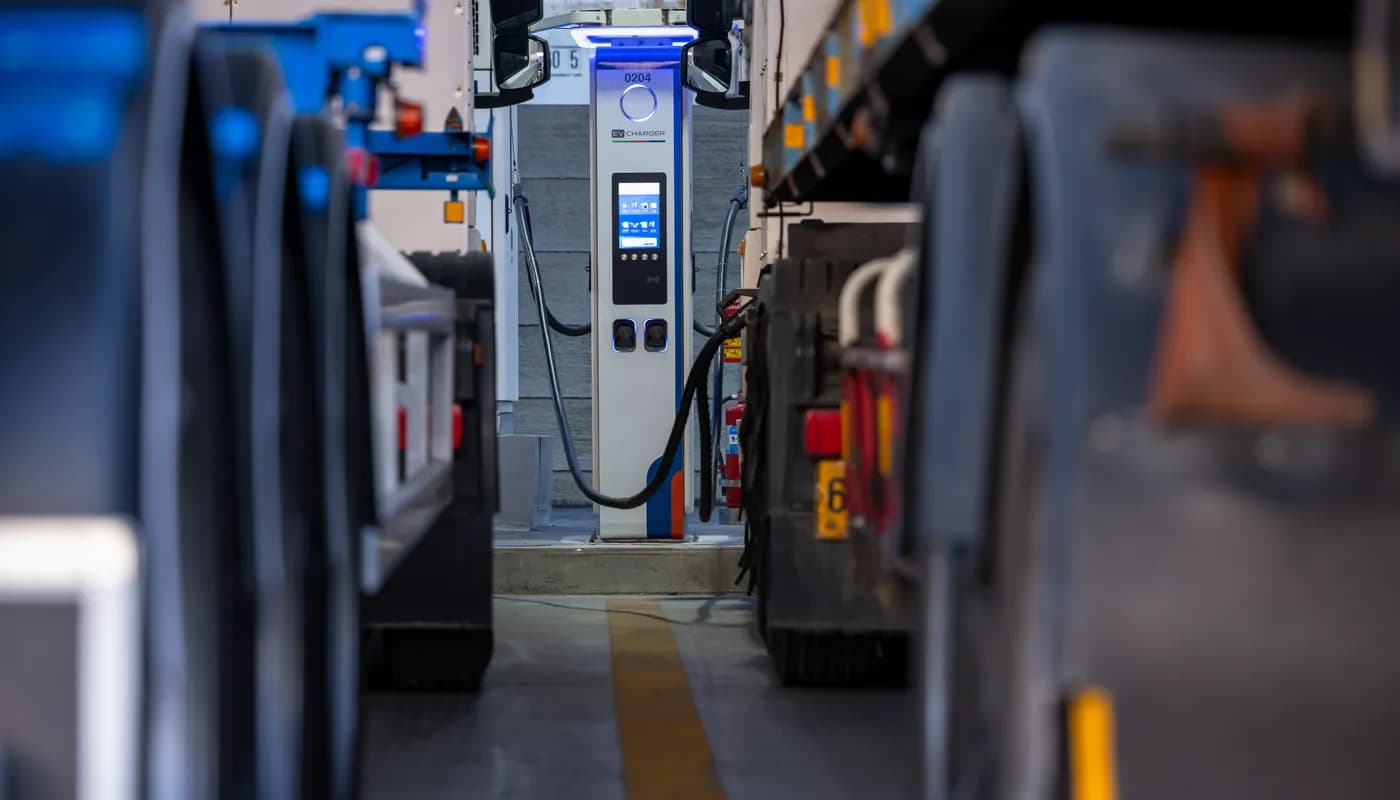
Depot Charging Load Management: More Chargers Than Your Sanctioned Load Should Allow

Payment Migration for EV Charging Networks: What Gets Missed

The Zero-Downtime CMS Migration Playbook
OCPP Profile Drift: Why “OCPP-Compatible” Isn’t Enough for CMS Migration
Enel X Way Shutdown: The Migration Checklist for CPO Fleets
UPI vs RFID vs App: Charging Payment Methods Compared
Deploying EV charging?
Talk to our team about your project. We design, supply, and manage EV charging infrastructure across India.