
By RIOD Engineering · May 26, 2026
Alerting and SLA Software for Charging Networks
Most CPO operations teams run on WhatsApp. Someone spots a fault, messages the team, someone claims it, someone drives to fix it, someone else gets the driver complaint an hour later. Nothing tracked, no SLA, no report to the site host.
The transition to a real alerting and ticketing pipeline is the difference between a NOC and a group chat.
Alert design that doesn't burn out the team
Every OCPP error code doesn't need to page a human. Severity classification, dedup windows and escalation policies turn a noisy telemetry stream into a manageable ticket flow. Severity 1: charger down, page on-call. Severity 2: charger degraded, ticket the day shift. Severity 3: nuisance, log for the weekly review.
Dedup within a 15-minute window prevents a flapping charger from creating 40 tickets. Escalation policies push unhandled Severity 1 to the next tier after a defined time. All of this needs to be configurable per team, not hard-coded.
Auto-ticketing with diagnostics attached
When an alert fires, the ticket that gets created should include the last 30 minutes of charger telemetry, the current OCPP error code and its history, the last N session outcomes, and a suggested root cause from the intelligence layer.
The technician's mobile view then shows site access notes, fault history, spare parts availability nearby, and a guided checklist. First-time fix rates go from 40% to 90% purely by handing the technician better context.
SLA definitions that make sense for charging
Response SLA (how quickly a human acknowledges) and restore SLA (how quickly the charger is back to service) are different things. Session-success SLA (percentage of attempts that succeed) is different again.
For public networks: response 2h, restore 24h for critical faults, session-success 95%. For fleet depots: much tighter, because a bay down means a bus doesn't run its route. The right SLA is the one that maps to what your business actually promises drivers, not what looks impressive on a slide.
Severity matrix
| Severity | Trigger | Response |
|---|---|---|
| Sev 1 | Charger fully down, payment path dead, or safety event | Page on-call, respond within 2 hours |
| Sev 2 | Degraded connector, intermittent failure, elevated error rate | Next business day |
| Sev 3 | Warning, no immediate user impact | Weekly review |
Ticket fields worth carrying
- Site, charger, connector
- Full error code history with timestamps
- Last successful session
- Suggested root cause from the intelligence layer
- SLA clock and target restore time
- Technician notes and status updates
SLA reporting metrics
- Response time from alert to human acknowledgment
- Restore time from acknowledgment to service back online
- Repeat-fault rate per charger per week
- First-time fix rate for field visits
- Site-level uptime for site-host reporting
Read Our Next Article
OTA Firmware Management: Update 1,000 Chargers Without Bricking One
Operations Best Practices for Charge Point Operators

The Zero-Downtime CMS Migration Playbook
Enel X Way Shutdown: The Migration Checklist for CPO Fleets
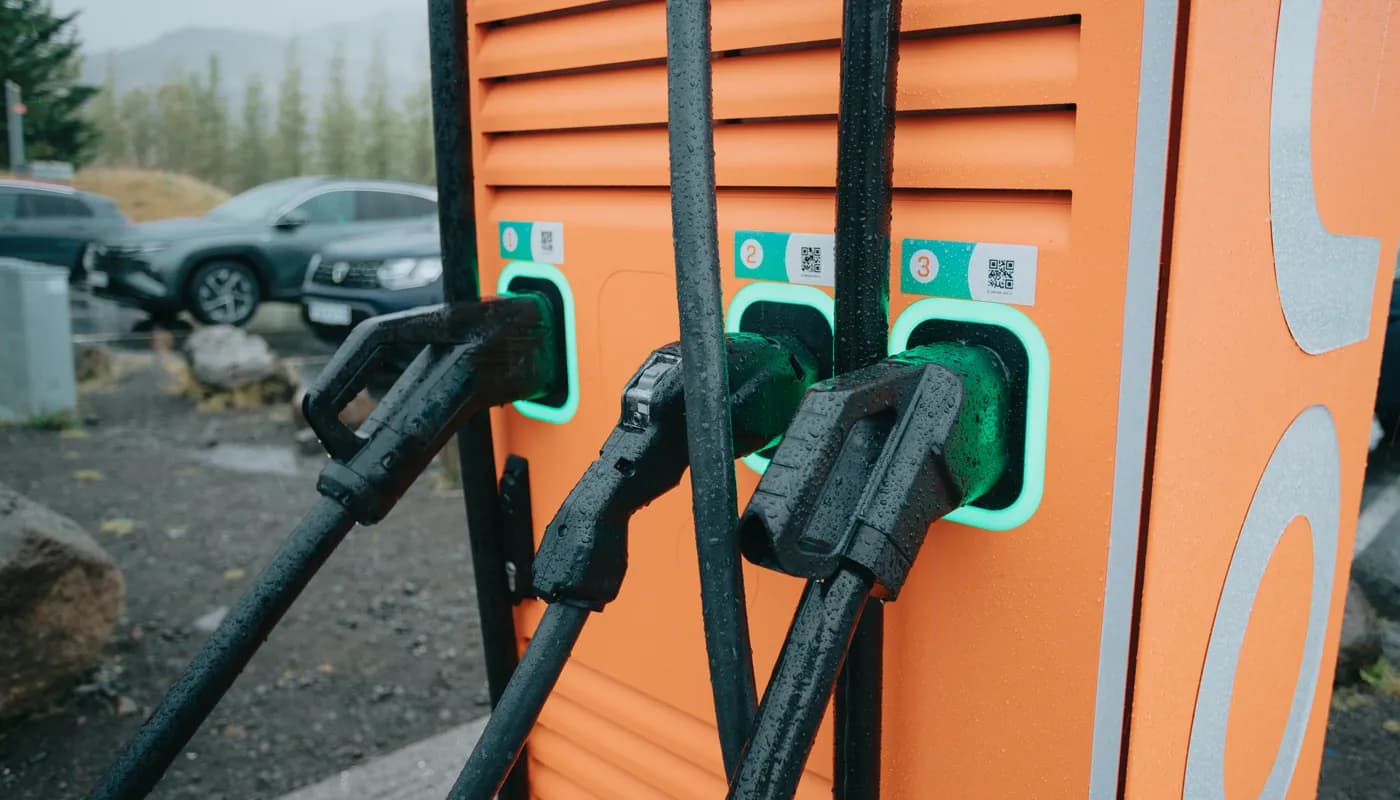
EV Charging Tariff Management: Change Prices Across the Network in One Click
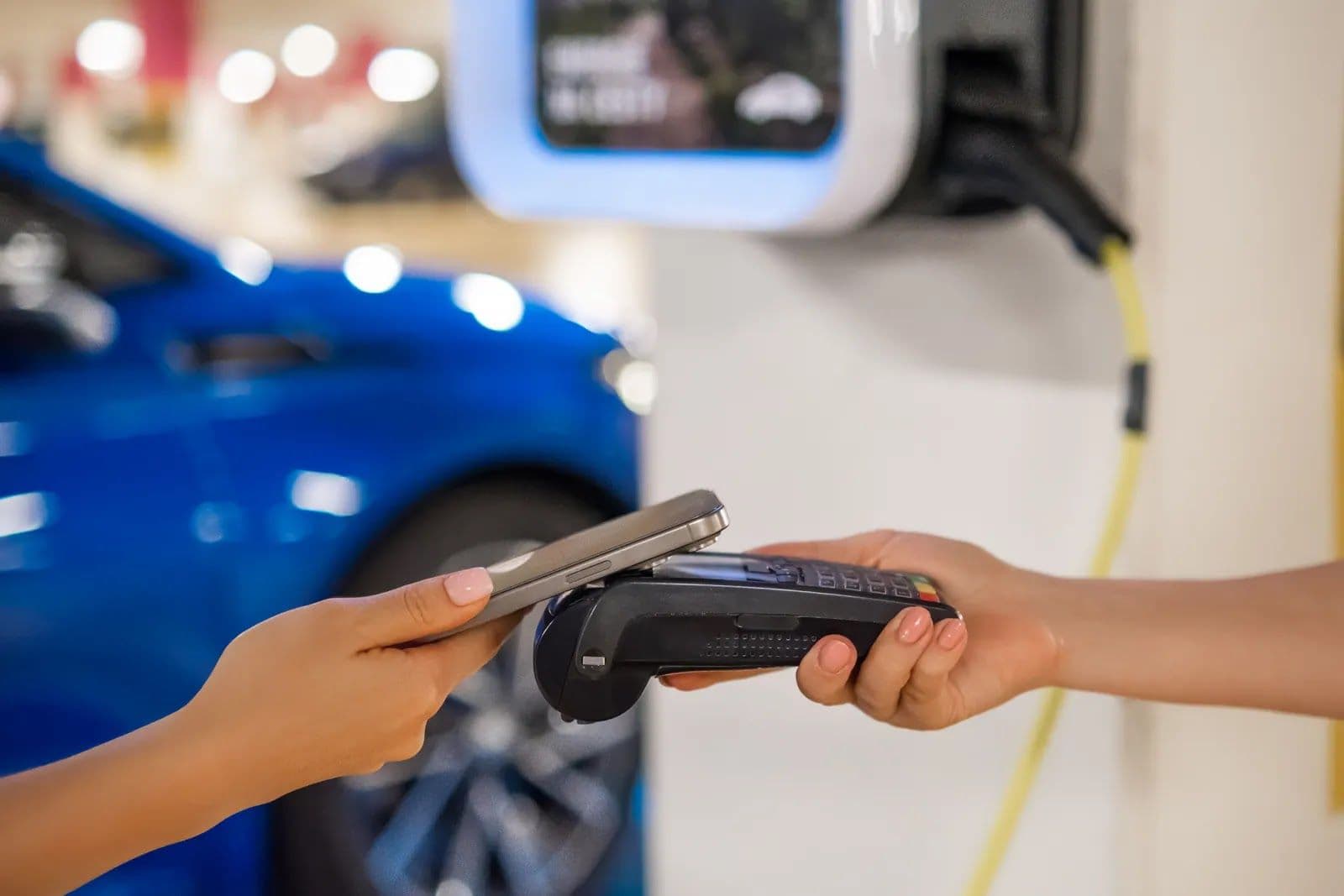
Payment Migration for EV Charging Networks: What Gets Missed
Deploying EV charging?
Talk to our team about your project. We design, supply, and manage EV charging infrastructure across India.