
By RIOD Engineering · December 5, 2025
Energy Management for Multi-Point Charging
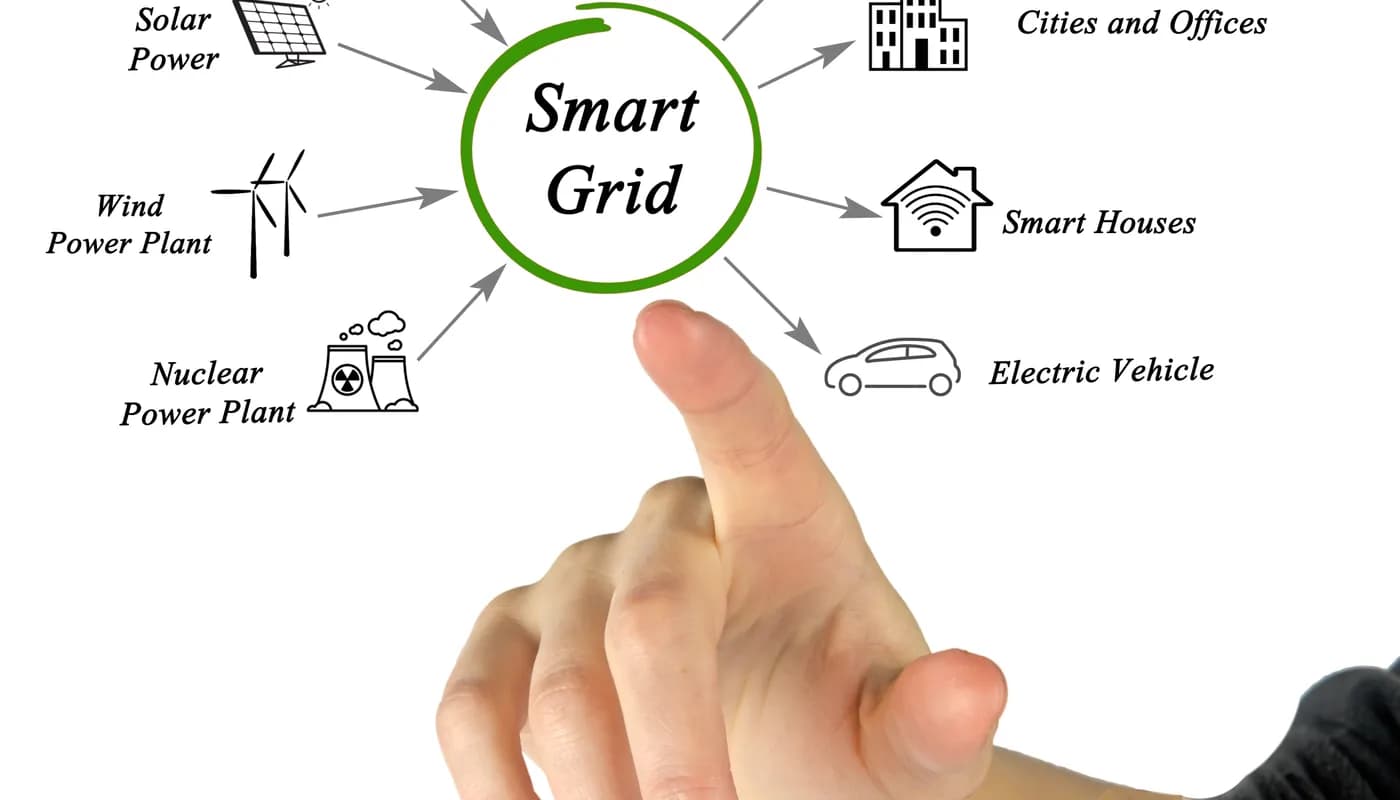
When a building deploys 10, 50, or 100 EV chargers, the electrical infrastructure faces a challenge that individual charger installations never encounter: aggregate load management. Without intelligent energy management, multi-point charging can overwhelm transformers, trip breakers, and cause costly demand charges.
The Load Problem at Scale
A single 7.4 kW AC charger draws modest power, comparable to two air conditioners. But 20 chargers in an apartment basement draw 148 kW simultaneously if unmanaged. Add that to the building's existing load during evening peak hours, and you're likely exceeding the sanctioned electrical capacity.
The conventional solution of upgrading transformers and cables is expensive and time-consuming. A 500 kVA transformer upgrade in a commercial building can cost as much as the chargers themselves. Smart energy management avoids this by dynamically distributing available power across active charging sessions.
Dynamic Load Balancing
Dynamic load balancing monitors the building's total power consumption in real time and allocates remaining capacity to EV chargers. If the building load drops (lights off, ACs reduced at night), more power flows to chargers. If demand spikes (all ACs on during a hot afternoon), chargers throttle back automatically.
RIOD's load balancing system uses CT clamp sensors on the building's main supply to measure real-time consumption. The algorithm distributes available headroom across active chargers using priority rules: first-come-first-served, VIP priority, departure-time optimization, or equal distribution.
Solar Integration and Time-of-Use Optimization
Buildings with rooftop solar can channel surplus generation directly to EV chargers, reducing grid dependency and electricity costs. RIOD's energy management platform monitors solar output in real time and prioritizes EV charging during peak generation hours.
Time-of-use optimization shifts non-urgent charging to off-peak tariff windows, reducing electricity costs by up to 40% for operators. The system considers each vehicle's departure time and minimum charge requirement to ensure every EV leaves with sufficient range.
Read Our Next Article
Payment Migration for EV Charging Networks: What Gets Missed

The Zero-Downtime CMS Migration Playbook
OCPP Profile Drift: Why “OCPP-Compatible” Isn’t Enough for CMS Migration
Enel X Way Shutdown: The Migration Checklist for CPO Fleets
UPI vs RFID vs App: Charging Payment Methods Compared
UPI Autopay for EV Charging Subscriptions
Deploying EV charging?
Talk to our team about your project. We design, supply, and manage EV charging infrastructure across India.