
By RIOD Engineering · June 30, 2026
Bluetooth (BLE) EV Charging Control
The driver walks up to the charger with their phone. They tap 'charge' in the app. The phone connects to the charger over Bluetooth. The session starts. All of it happens with no cellular signal, no WiFi, no internet at the charger.
This is the driver experience for BLE-controlled charging, and here's how it works end to end.
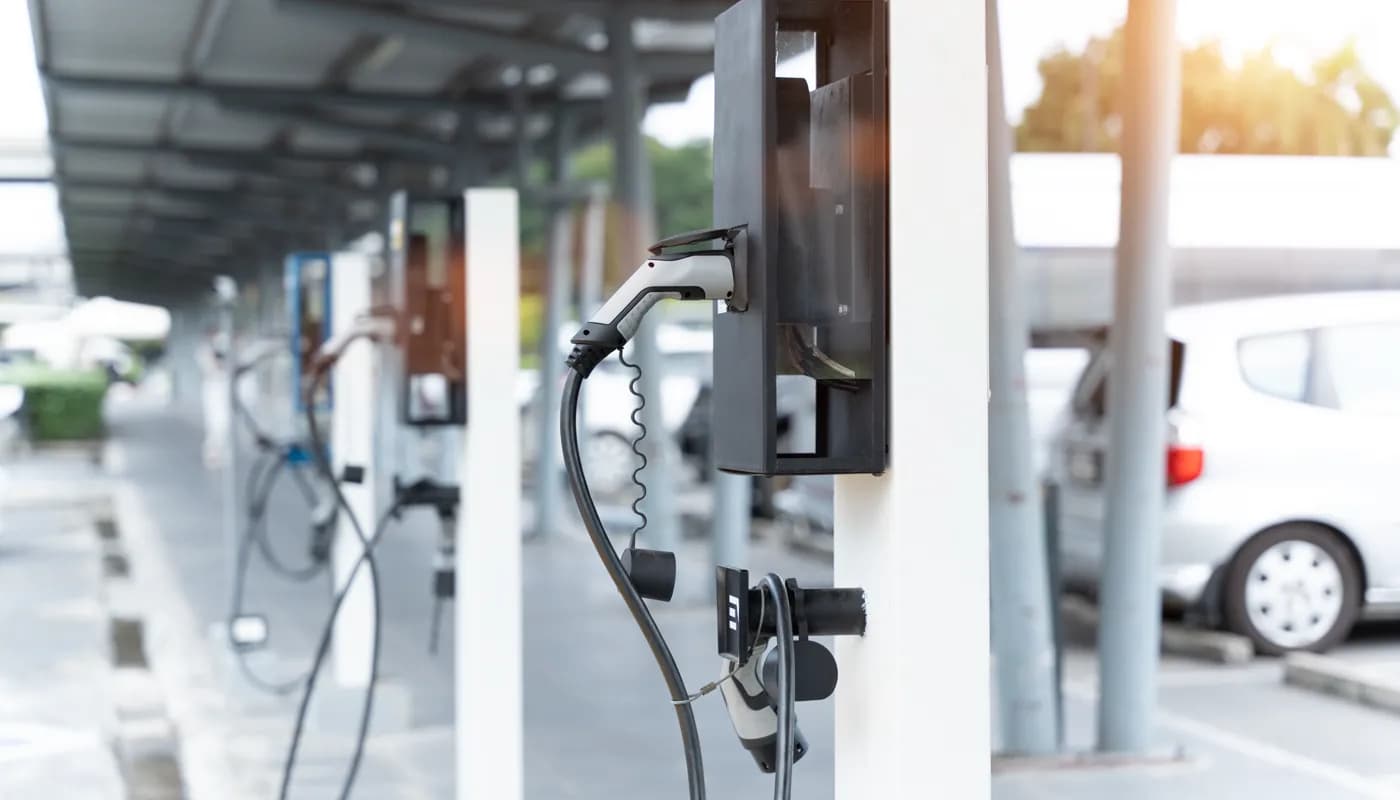
The driver flow
Approach the charger with the app open. Phone detects the charger via BLE advertising within a few metres. App shows the charger name and available bays. Tap the bay you want.
Phone authenticates via HMAC over BLE. Charger accepts. Session starts, live power and energy shown in the app throughout. Tap stop when done, or let the vehicle stop naturally. Session record signed and stored locally; syncs when phone next has signal.
Store-and-forward: how data gets home
The charger has no network in the basement; the phone does when it climbs back to the ground floor. The phone carries the session record from the charger to the cloud. Journal signed by the charger so replay attacks are detectable at settlement.
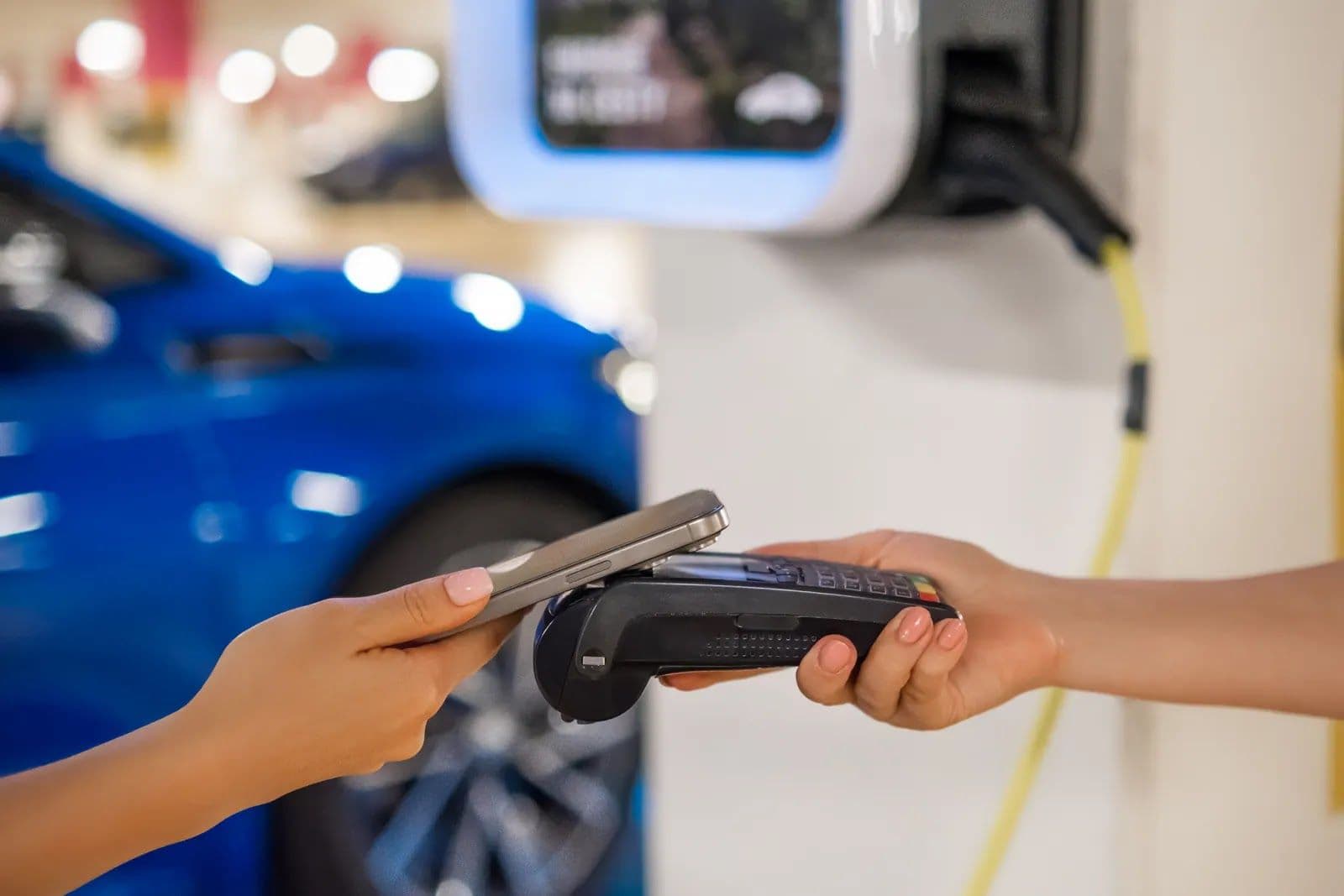
For UPI payments in this scenario, the phone acts as the payment initiator (it has UPI connectivity via cellular, even if the charger doesn't). Payment succeeds, phone tells charger to authorize, session runs.
Range, pairing, multi-user
BLE range is around 5-15m indoors depending on obstacles. Enough for the driver walking to their car; not enough for the charger to talk to a phone across the parking floor. Pairing is per-session (no persistent bonding), so multiple users can use the same charger throughout the day without cleanup.
Concurrent connections: one active at a time per charger (only one car can charge). The charger advertises 'in use' when a session is active so other users see it in their app as unavailable.
Battery drain and background operation
A live BLE connection during a charging session uses relatively little battery on modern phones (typically low single-digit percent per hour, depending on device and app state). Whether the OS keeps the BLE link alive in the background depends on the platform's background-execution rules and the app's foreground state, so the driver's app should be designed to reconnect automatically on wake.
For very long sessions, the charger can complete the session autonomously if the phone disconnects (walks away, dies). The session ends normally on the vehicle side, and the record syncs when the phone reconnects to sync any queued events.
Session lifecycle over BLE
- Discover the charger via BLE advertising in the app
- Authenticate with challenge-response over the auth characteristic
- Start the session via the session control characteristic
- Meter locally on the charger, stream to the phone during the session
- Stop the session on driver action or vehicle disconnect
- Sign the session record on the charger
- Sync the signed record when the phone (or charger) regains connectivity
Phone-as-relay limits
- Phone battery affects how long the session can be actively monitored
- Background BLE behaviour varies by OS and app foreground state
- If the driver walks away, the session continues but live updates pause
- Sync of the signed record can be delayed until the phone reconnects
Read Our Next Article
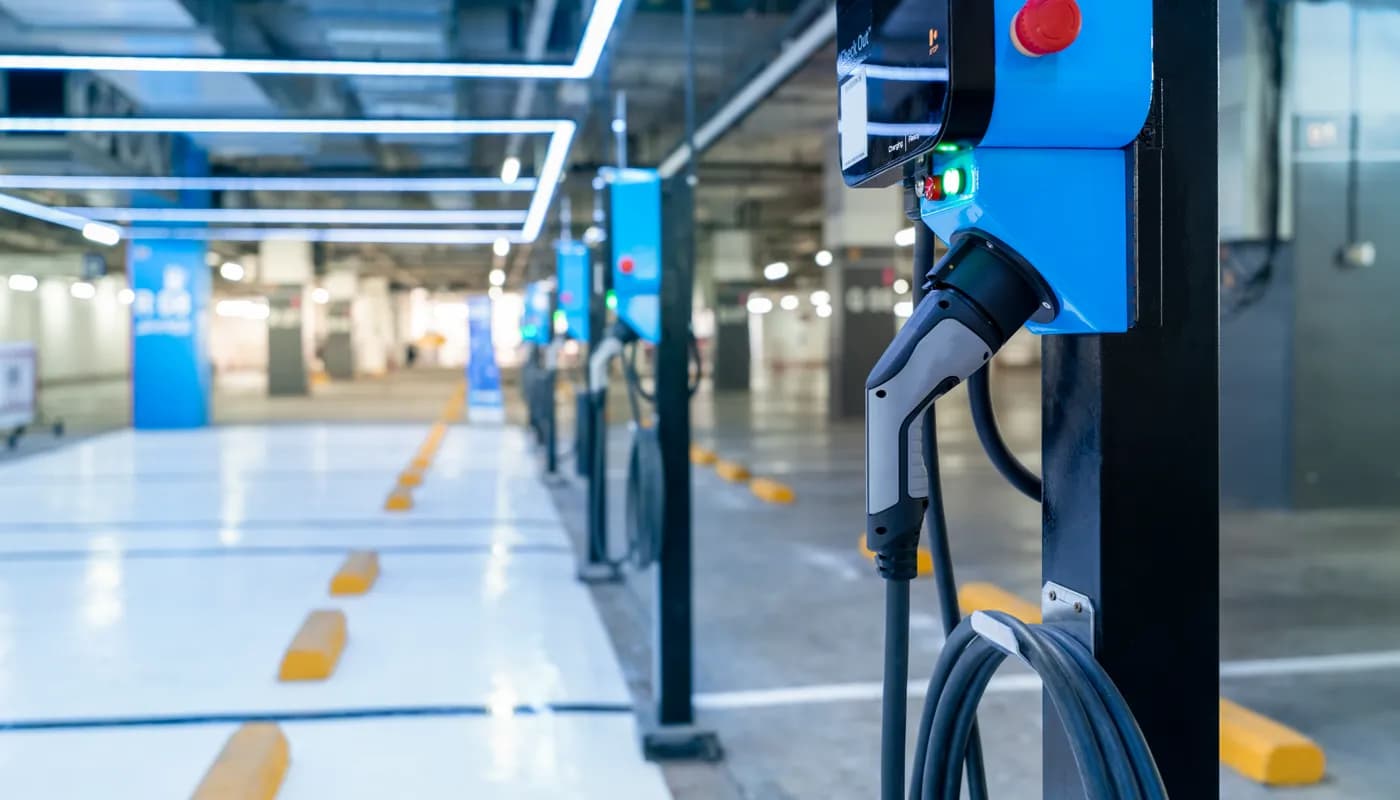
Offline Authorization and Store-and-Forward Billing for EV Chargers
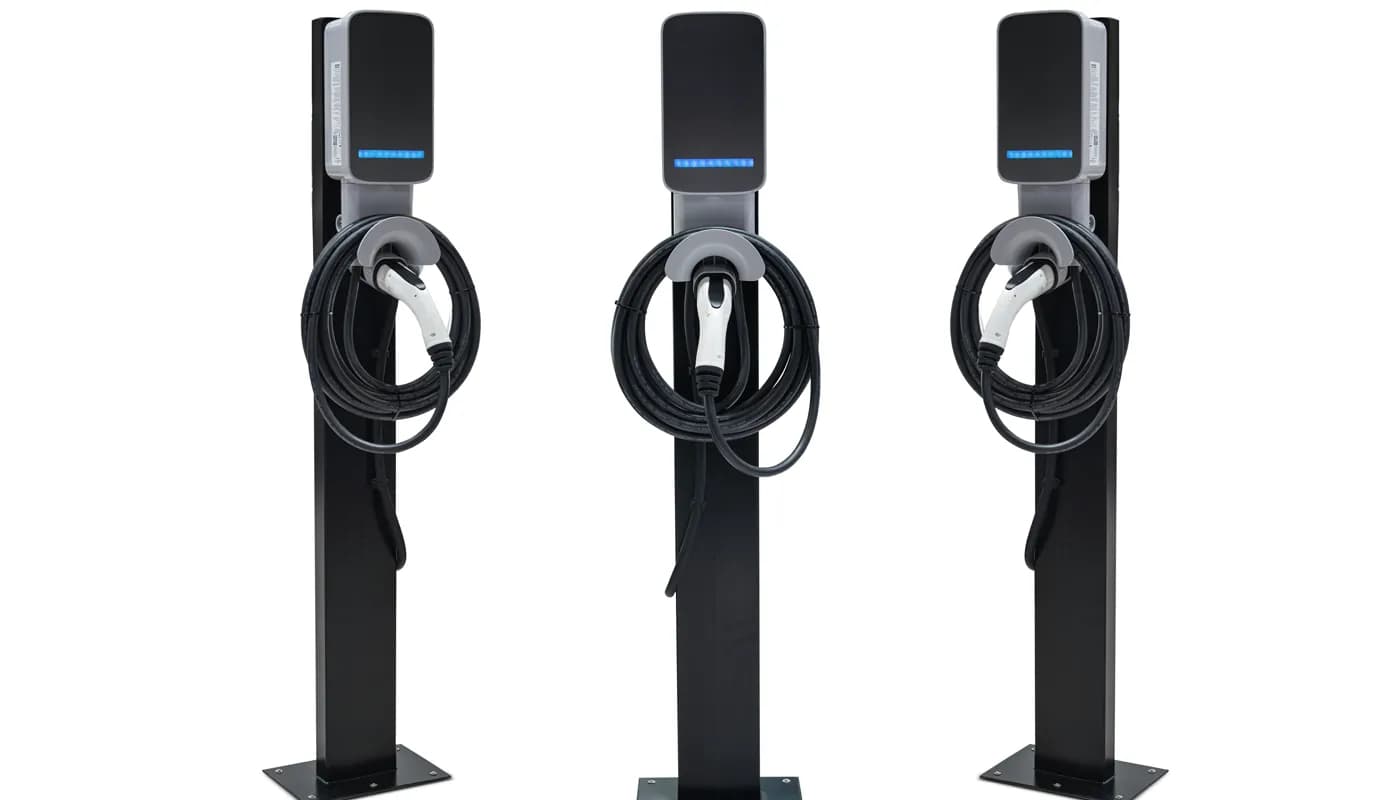
Where Offline EV Charging Is the Only Design That Works
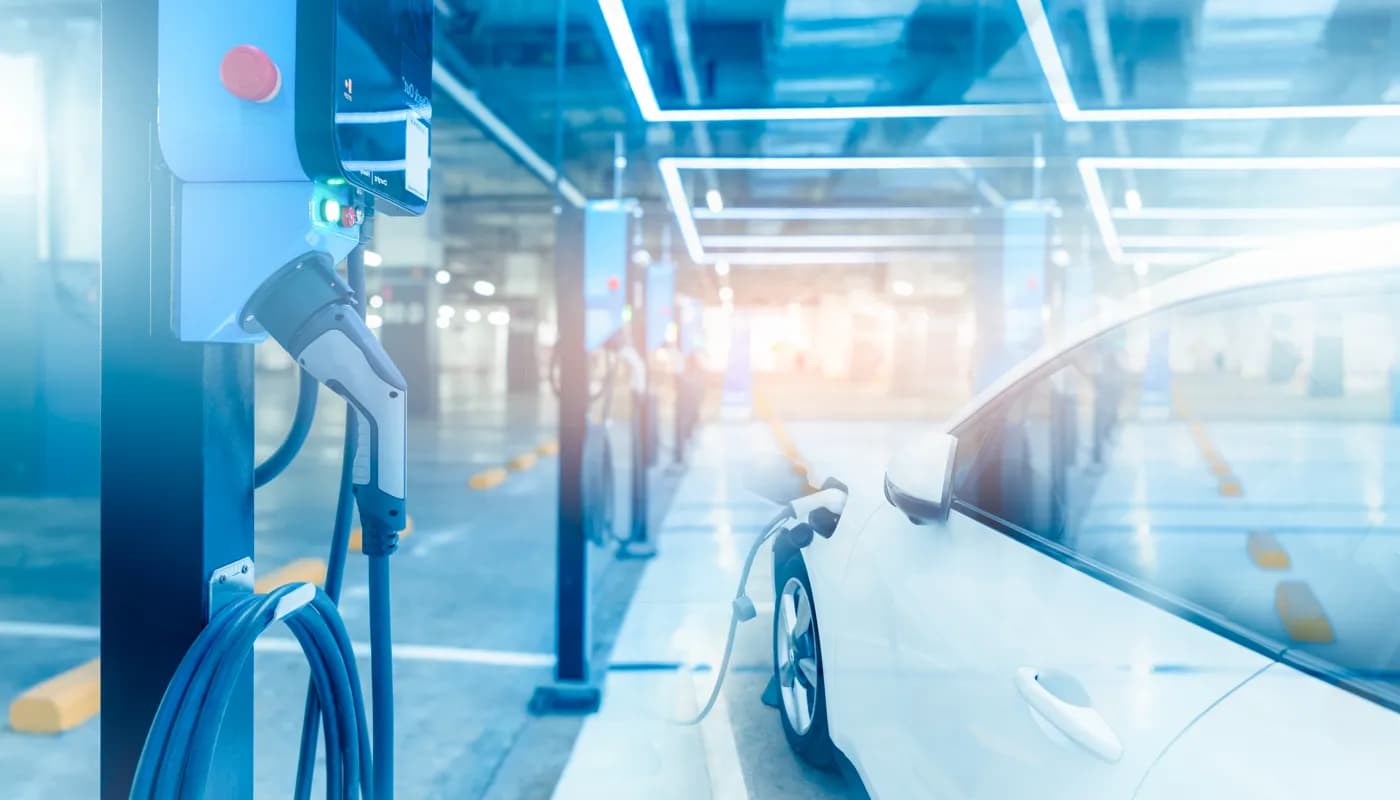
BLE User Management for EV Chargers
Payment Migration for EV Charging Networks: What Gets Missed
The Zero-Downtime CMS Migration Playbook
OCPP Profile Drift: Why “OCPP-Compatible” Isn’t Enough for CMS Migration
Deploying EV charging?
Talk to our team about your project. We design, supply, and manage EV charging infrastructure across India.