
Decentralized Load Balancer
The distributed control model behind Power Master. Balancing decisions made on-site, chargers, building loads, solar, storage, and grid coordinated locally.
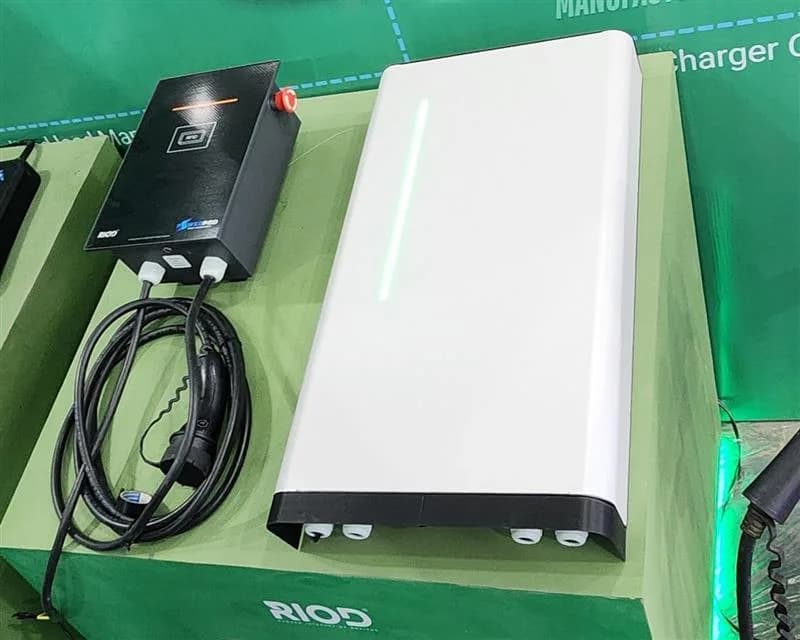
Delivered by Power Master, an On-Site Edge Device
Decentralized load balancing is the control model that Power Master implements. Power Master is a dedicated on-site Edge Device, not firmware bundled inside a charger. Once installed, it sits between the building's electrical infrastructure and every connected energy asset: EV chargers, building loads, solar PV, battery storage, and the utility grid. Its central question is not "how much power does each charger get," but "given current site conditions, what is the smartest way to use every available kilowatt." The Edge Device makes that decision locally, and issues balanced setpoints to each charger over OCPP.
- Power Master ships as a separate Edge Device, installed at the site
- Talks to RIOD and third-party chargers over standard OCPP
- Coordinates chargers with building loads, solar, battery, and grid inputs
- All balancing decisions are made locally at the edge, not in the cloud
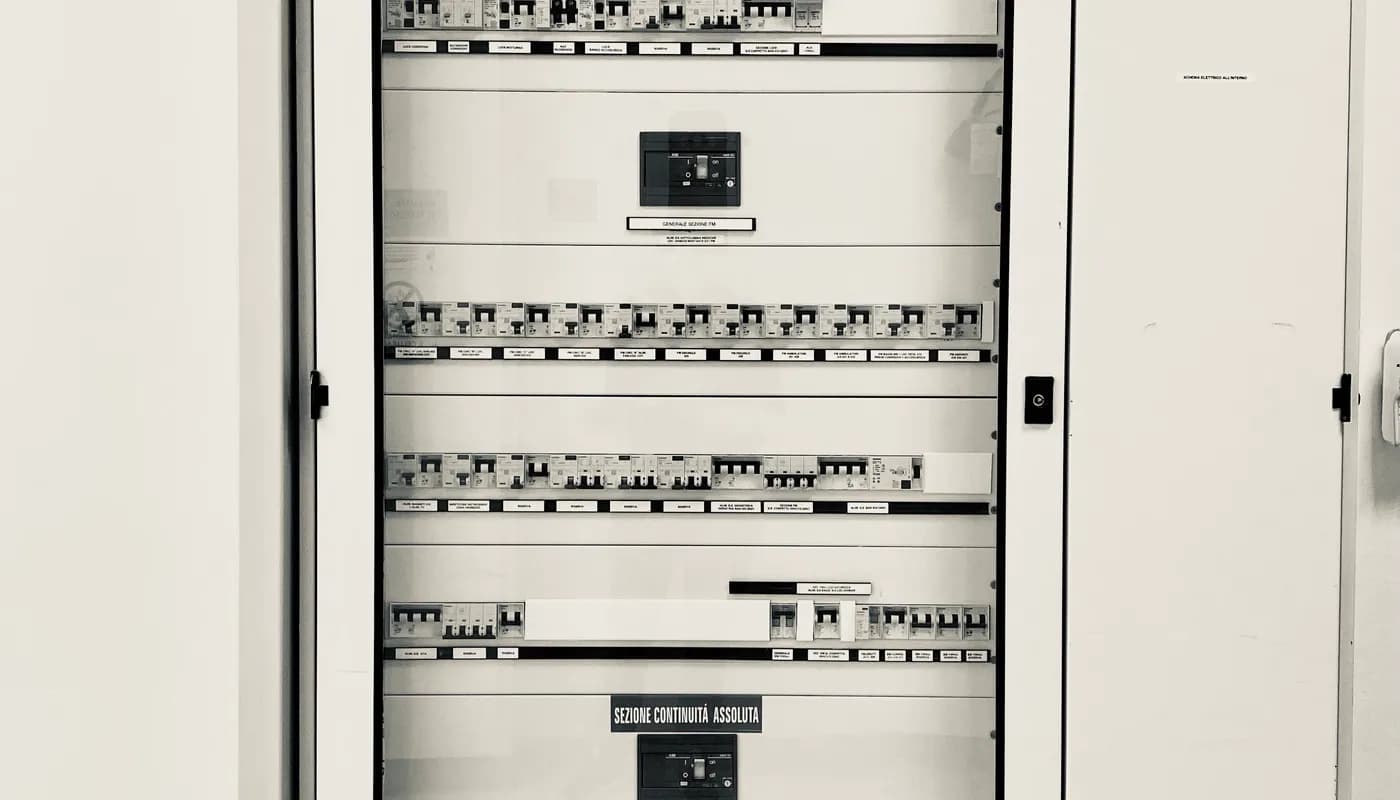
Dynamic Load Management Across the Whole Building
The Edge Device continuously reads the main incomer, individual feeder loads, solar generation, battery state of charge, and charger demand. When HVAC or machinery pulls harder, EV charging power reduces in real time. When building demand drops, charging speeds back up. The result is a self-optimising site that never trips its sanctioned limit, never wastes available headroom, and never needs a costly transformer upgrade to add more chargers.
- Live building consumption feeds every charger's power ceiling
- Charger draw reduces automatically when other loads spike
- Freed headroom is reallocated to active sessions the moment it appears
- Peak demand stays below the contracted limit without manual intervention
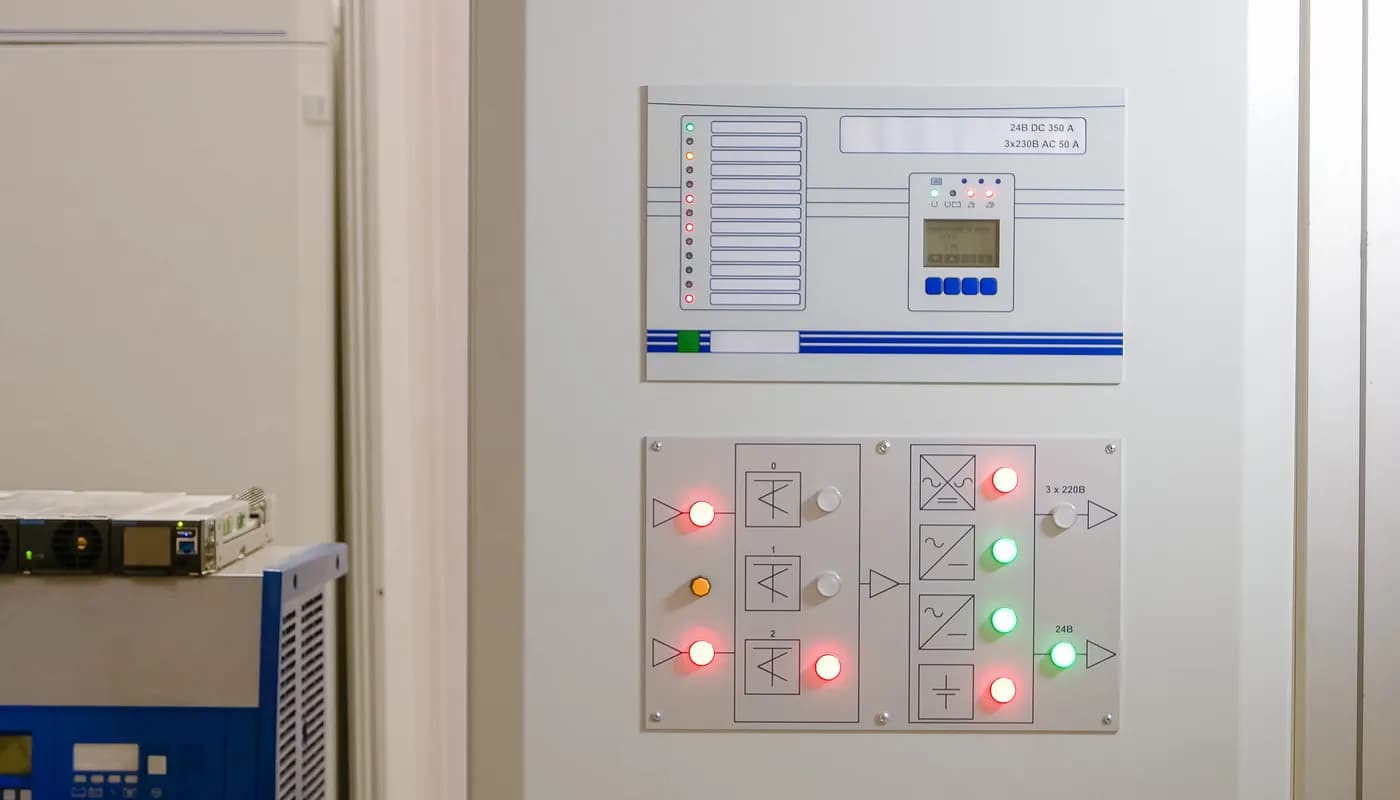
Smart Sharing, Priorities, and Solar-First Charging
Available power is redistributed dynamically across concurrent sessions based on each vehicle's onboard rate, its priority level, and its expected departure time, not a fixed per-charger cap. Power Master's site policy can also weight sessions toward available solar (self-consumption over export) or shift them into low-tariff windows. Critical building systems, fire and safety, elevators, HVAC, and operations, always retain priority; EV charging automatically yields when their draw rises.
- Dynamic allocation per session: vehicle demand, priority, departure time
- Solar-first mode maximises self-consumption instead of grid export
- Tariff-aware scheduling shifts flexible load to cheaper windows
- Priority tiers protect critical building loads before EV charging
Edge Autonomy with Cloud Coordination
Power Master is delivered as an on-site Edge Device paired with a cloud analytics platform. The Edge Device holds the balancing intelligence locally, so charging keeps operating within safe limits even when the internet is down or the cloud is unreachable. When connectivity returns, state syncs back automatically. The device supports OCPP, Modbus RTU/TCP, MQTT, and REST integrations so it can operate alongside existing BMS, EMS, smart meters, and third-party chargers rather than replacing them.
- Edge Device keeps enforcing safe limits during any internet outage
- OCPP, Modbus, MQTT, and REST interfaces for open integration
- Cloud platform adds fleet analytics, alerts, and remote configuration
- Multi-site operators manage hundreds of buildings from one dashboard
Want to know more?
Talk to our engineers about how this technology fits your deployment.