
By RIOD Engineering · November 12, 2025
Three-Phase vs Single-Phase EV Charging
Your electrical supply type determines how fast your EV can charge at home or work. Single-phase and three-phase are two different ways of delivering AC power, and they have very different implications for EV charging speed, cost, and installation.
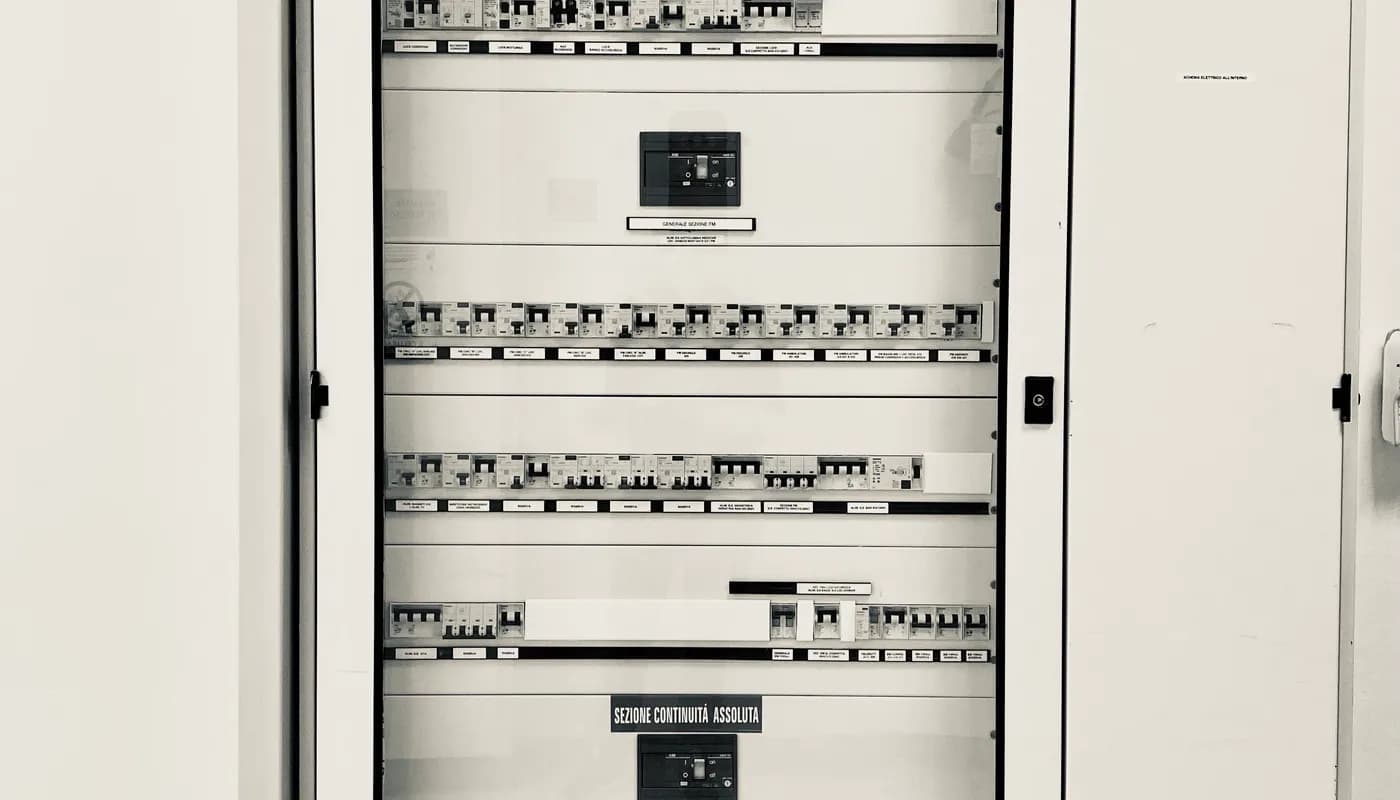
Single-Phase Power
Single-phase power is the standard residential supply in most of India. It uses two wires (line and neutral) and delivers power at 230V. Maximum current is typically 32A, giving a theoretical maximum of 7.4 kW. Most home connections are rated at 5 kW or 10 kW by the DISCOM.
For EV charging, single-phase supports chargers up to 7.4 kW. A 7.4 kW charger can add roughly 35-45 km of range per hour to a typical EV. For overnight charging, this is more than sufficient.
Three-Phase Power
Three-phase power uses three live wires, each carrying 230V but offset by 120 degrees. This delivers higher total power: up to 22 kW for EV charging (32A per phase at 400V). Three-phase connections are standard in commercial buildings and some larger residential properties.
- 11 kW (16A per phase): Common in European home chargers, gaining traction in India
- 22 kW (32A per phase): Maximum AC charging speed, useful for commercial and fleet applications
- Three-phase supply provides more balanced loading on the electrical network
- Voltage drop is lower on three-phase circuits for a given power level
Does Your Car Support Three-Phase Charging?
Just because your building has three-phase supply does not mean your car can use it fully. The onboard charger in the vehicle determines maximum AC charging speed. Many EVs sold in India have single-phase onboard chargers rated at 7.4 kW. Plugging into a 22 kW three-phase charger will still charge at only 7.4 kW.
Check your vehicle's specifications for onboard charger rating. If it lists 11 kW or 22 kW AC charging, it has a three-phase onboard charger and can benefit from a three-phase EVSE.
Upgrading from Single-Phase to Three-Phase
If you need faster charging and your home has only single-phase, upgrading to three-phase requires an application to your DISCOM. The process involves fees, possible meter replacement, and potentially upgrading your distribution board. Costs vary by state but typically range from Rs 5,000 to Rs 25,000.
Before upgrading, verify that your EV actually supports three-phase charging. If it does not, you are paying for a supply upgrade that delivers no benefit for EV charging, though it may help with other high-power loads.
Read Our Next Article
Optimizing Charging Infrastructure for Utilities
How to Detect Faulty EV Chargers
Resettable RCDs in EV Chargers: What You Need to Know
The Rise of V2G Technology in India
Home Energy Management Systems and Their Role in EV Charging
The Future of Two-Way Energy Communication
Deploying EV charging?
Talk to our team about your project. We design, supply, and manage EV charging infrastructure across India.