
By RIOD Engineering · August 22, 2025
Load Balancing in EV Charging: Static, Dynamic, and Decentralized Approaches
Load balancing is what prevents your electrical system from overloading when multiple EV chargers operate simultaneously. Without it, adding chargers to a building or parking lot requires expensive electrical upgrades. With it, you can serve more vehicles on the same infrastructure.
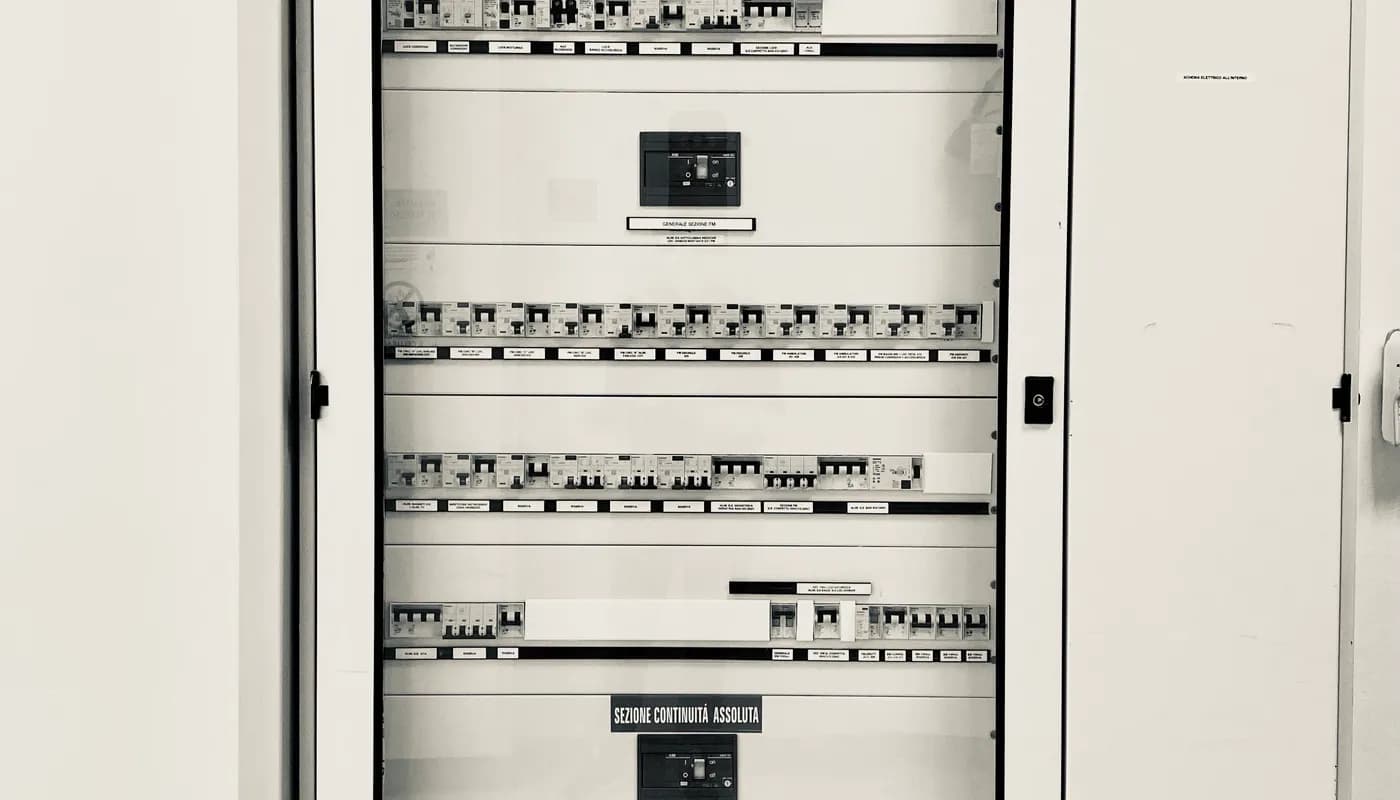
Static vs Dynamic Load Balancing
Static load balancing divides total available power equally among all installed chargers, regardless of how many are active. If you have 40 kW available and 4 chargers, each gets 10 kW permanently. Simple, but wasteful. If only one car is plugged in, it still gets only 10 kW while 30 kW sits unused.
Dynamic load balancing distributes power based on real-time demand. If one car is plugged in, it gets the full 40 kW (up to its charger's rating). When a second car plugs in, power is redistributed. This maximizes charging speed for each vehicle while staying within the site's electrical capacity.
How It Works in Practice
A current transformer (CT) clamp on the building's main supply cable measures total consumption in real time. The load balancing controller calculates how much headroom is available for EV charging and distributes it across active chargers. As building loads fluctuate throughout the day, charger output adjusts automatically.
- CT clamps measure current on each phase of the supply
- The controller recalculates available capacity every few seconds
- Chargers receive updated power limits via OCPP or direct Modbus communication
- Priority settings can ensure certain chargers or vehicles get preference
Why This Matters Financially
Upgrading a building's electrical supply from 100 kW to 150 kW can cost lakhs in transformer upgrades, cabling, and utility fees. Dynamic load balancing lets you add EV charging within your existing 100 kW by intelligently sharing what is already available. The load balancing hardware costs a fraction of an electrical upgrade.
Phase Balancing
In three-phase installations, uneven loading across phases causes voltage imbalances that can damage sensitive equipment and increase losses. Good load balancing systems distribute EV charging load evenly across all three phases, or shift single-phase chargers between phases to maintain balance.
This is particularly important in Indian installations where phase imbalance penalties from DISCOMs are becoming more common in commercial connections.
Read Our Next Article
Optimizing Charging Infrastructure for Utilities
How to Detect Faulty EV Chargers
Resettable RCDs in EV Chargers: What You Need to Know
The Rise of V2G Technology in India

Home Energy Management Systems and Their Role in EV Charging
The Future of Two-Way Energy Communication
Deploying EV charging?
Talk to our team about your project. We design, supply, and manage EV charging infrastructure across India.