
By RIOD Engineering · March 5, 2026
EV Charger Specifications That Actually Matter for Buyers
Buying an EV charger based on brand name alone is a mistake. Specifications determine whether a charger is safe, compatible, durable, and future-proof. Most buyers focus on power rating and price, but there are half a dozen other specs that matter just as much. Here is what to actually look at before signing a purchase order.
Power Rating and Connector Type
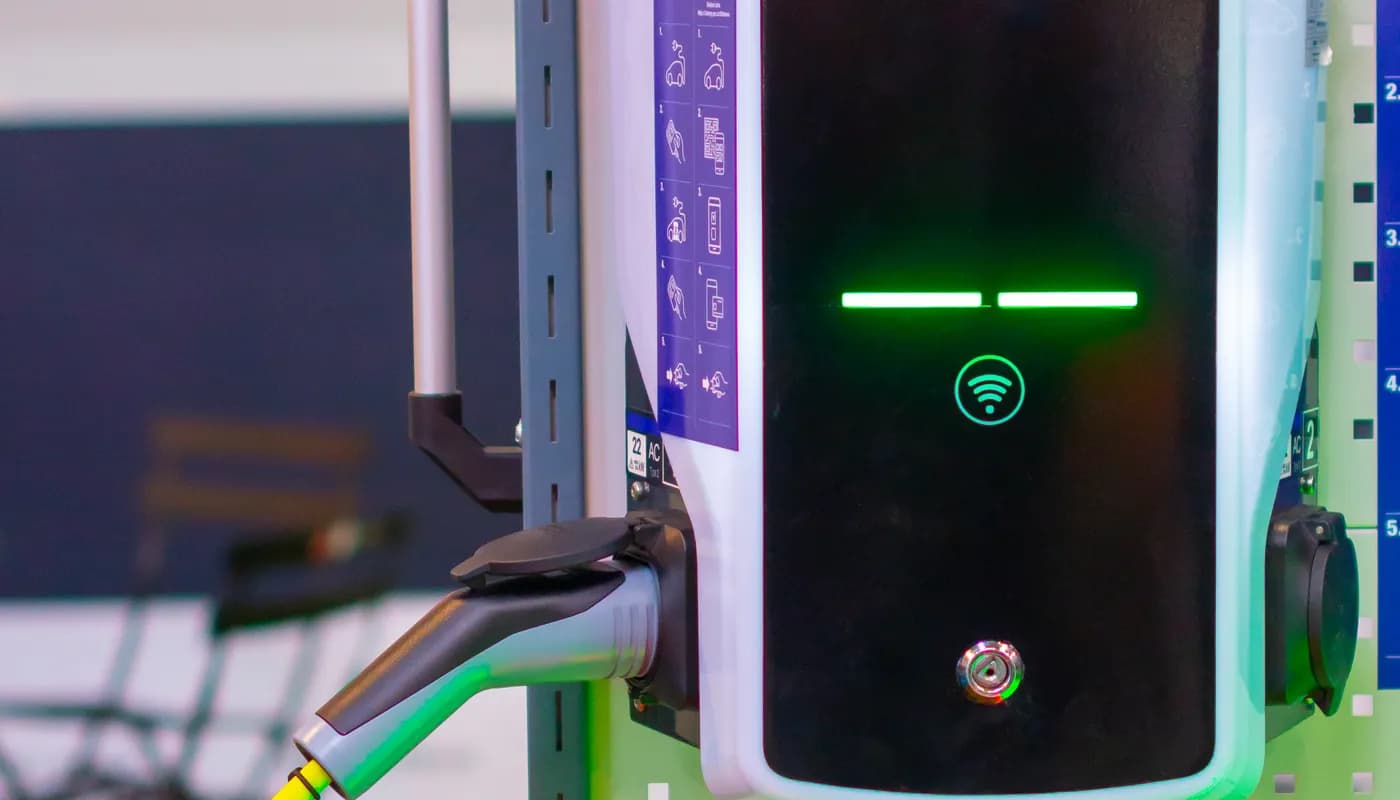
Power rating tells you how fast the charger delivers energy. For AC chargers, common ratings are 3.3 kW, 7.4 kW, 11 kW, and 22 kW. For DC fast chargers, ratings range from 15 kW to 240 kW and beyond. Higher is not always better. A 22 kW AC charger is useless if the car's onboard charger only accepts 7.4 kW.
Connector type must match your market. In India, Type 2 is the standard for AC charging and CCS2 for DC. Buying a charger with the wrong connector is a costly mistake. Always verify compatibility with the vehicles you intend to serve.
IP Rating and Build Quality
IP rating indicates protection against dust and water. For outdoor installations, IP54 is the minimum. IP65 is preferred for locations exposed to direct rain or heavy dust. Indoor parking garages can get away with IP44. A charger with a low IP rating installed outdoors will fail prematurely as moisture and dust corrode internal components.
Beyond the rating, look at build quality: the thickness of the enclosure, quality of cable connectors, and how well the unit is sealed. A stamped IP65 on a spec sheet means nothing if the gaskets are cheap rubber that degrades in Indian heat.
Safety Certifications
In India, look for BIS certification and compliance with IS 17017 for AC chargers. Check for Type A or Type B RCD (residual current device) protection, overcurrent protection, and surge protection built into the unit. These are not optional features. They prevent electrical fires, shocks, and damage to the vehicle's battery.
- RCD protection (Type A minimum, Type B preferred for DC fault protection)
- Overcurrent and short circuit protection
- Surge protection against grid spikes
- Temperature monitoring with automatic shutdown on overheating
OCPP and Connectivity
OCPP compliance ensures your charger can communicate with any backend management system, not just the manufacturer's proprietary platform. Look for OCPP 1.6J at minimum. Connectivity options should include 4G/LTE, Wi-Fi, and Ethernet. A charger that loses connectivity becomes a dumb box that cannot report faults, process payments, or receive firmware updates.
RIOD chargers support OCPP 1.6J, come with 4G and Wi-Fi connectivity, and meet Indian safety standards out of the box. Every unit is tested under Indian grid conditions before shipping.
Read Our Next Article
Improving Charger Utilization for CPOs
Preventing Parking Misuse at Charging Stations
Extending the Life of EV Charging Stations
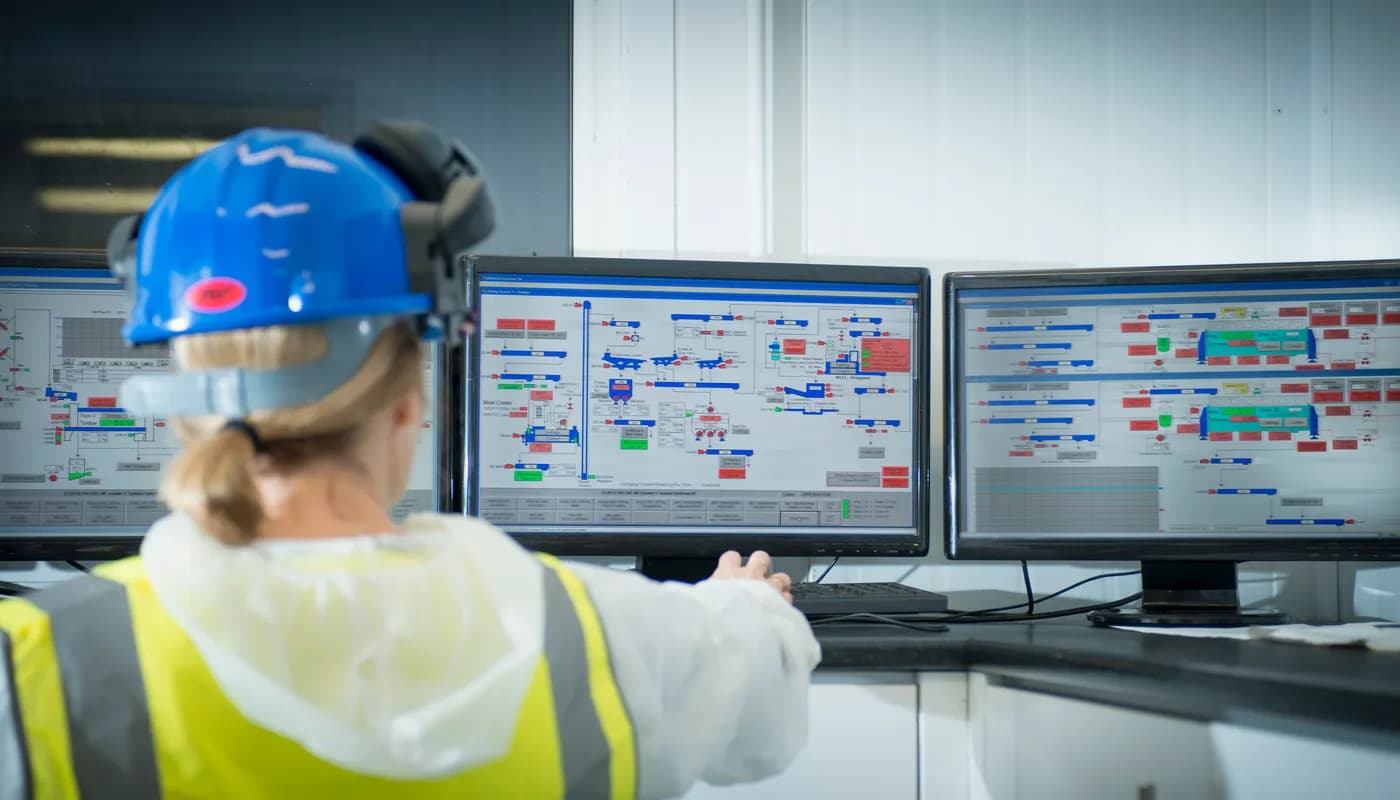
Operations Best Practices for Charge Point Operators

Reducing Installation Cost of EV Charging Stations
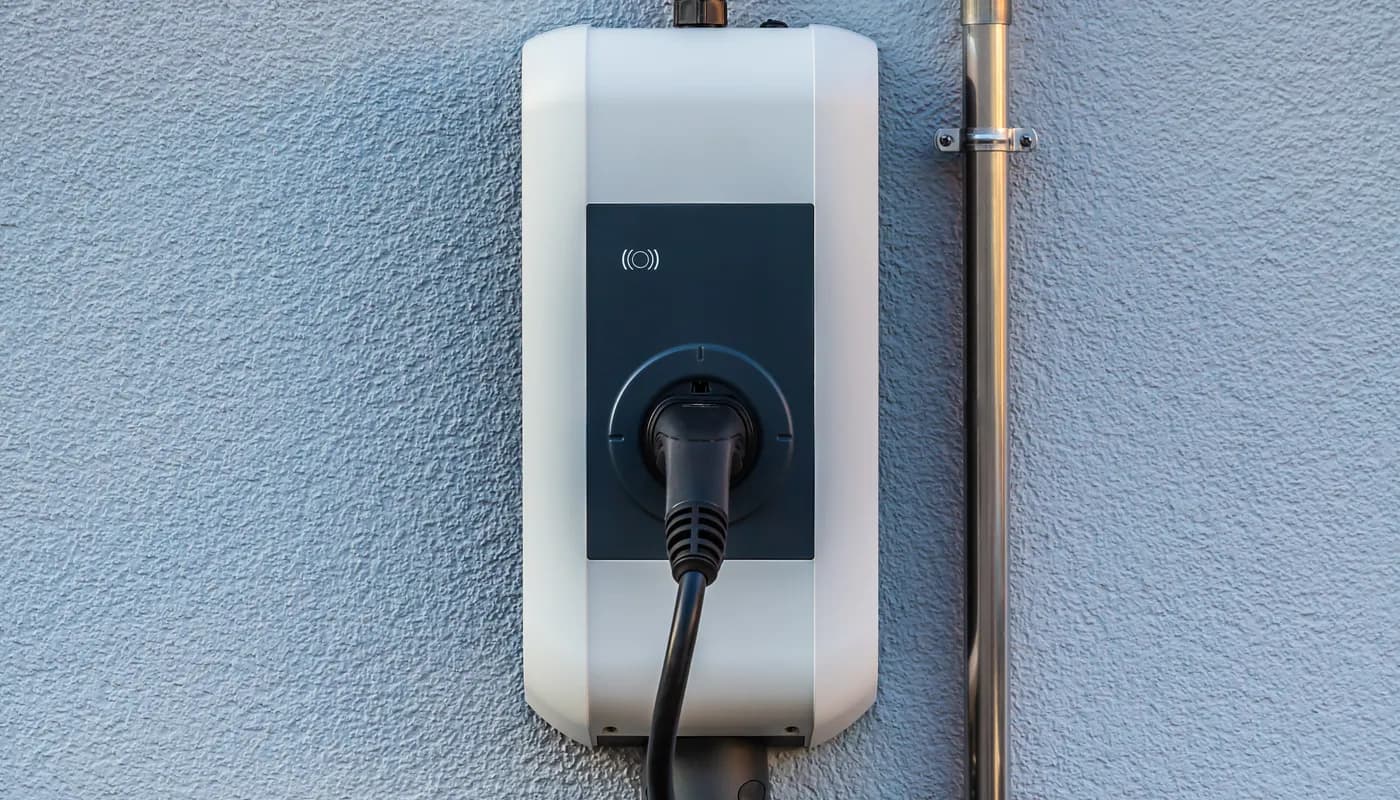
Home EV Charging: What Works Best
Deploying EV charging?
Talk to our team about your project. We design, supply, and manage EV charging infrastructure across India.