
By RIOD Engineering · July 15, 2022
How to Fast Charge Your EV at Home
Most EV owners charge at home. But not all home charging is created equal. The difference between plugging into a wall socket and installing a dedicated Level 2 charger is the difference between waiting all night and being ready in a couple of hours.

AC vs DC: What Actually Matters at Home
There are two types of EV chargers: AC and DC. DC chargers are faster but impractical for homes due to cost and power requirements. AC chargers are affordable, easy to install, and more than sufficient for overnight home charging.
The real question is: how fast can your vehicle accept AC power? That depends on the onboard charger. Hyundai Kona and MG ZS support up to 7.2kW. Kia EV6 handles 11kW. Porsche EVs accept up to 22kW AC. Knowing your vehicle's limit is the first step to choosing the right home charger.
Single-Phase vs Three-Phase: Know Your Connection
Most Indian homes run on a single-phase power connection, which supports up to 7.4kW charging. If your home has a three-phase connection, you can go up to 22kW, cutting charge times dramatically.
Check your electricity meter or ask your provider. A single-phase connection with a 32A MCB is enough for a 7.4kW charger. Three-phase homes can install a 22kW unit with a 32A supply per phase.
Installation Is Simpler Than You Think
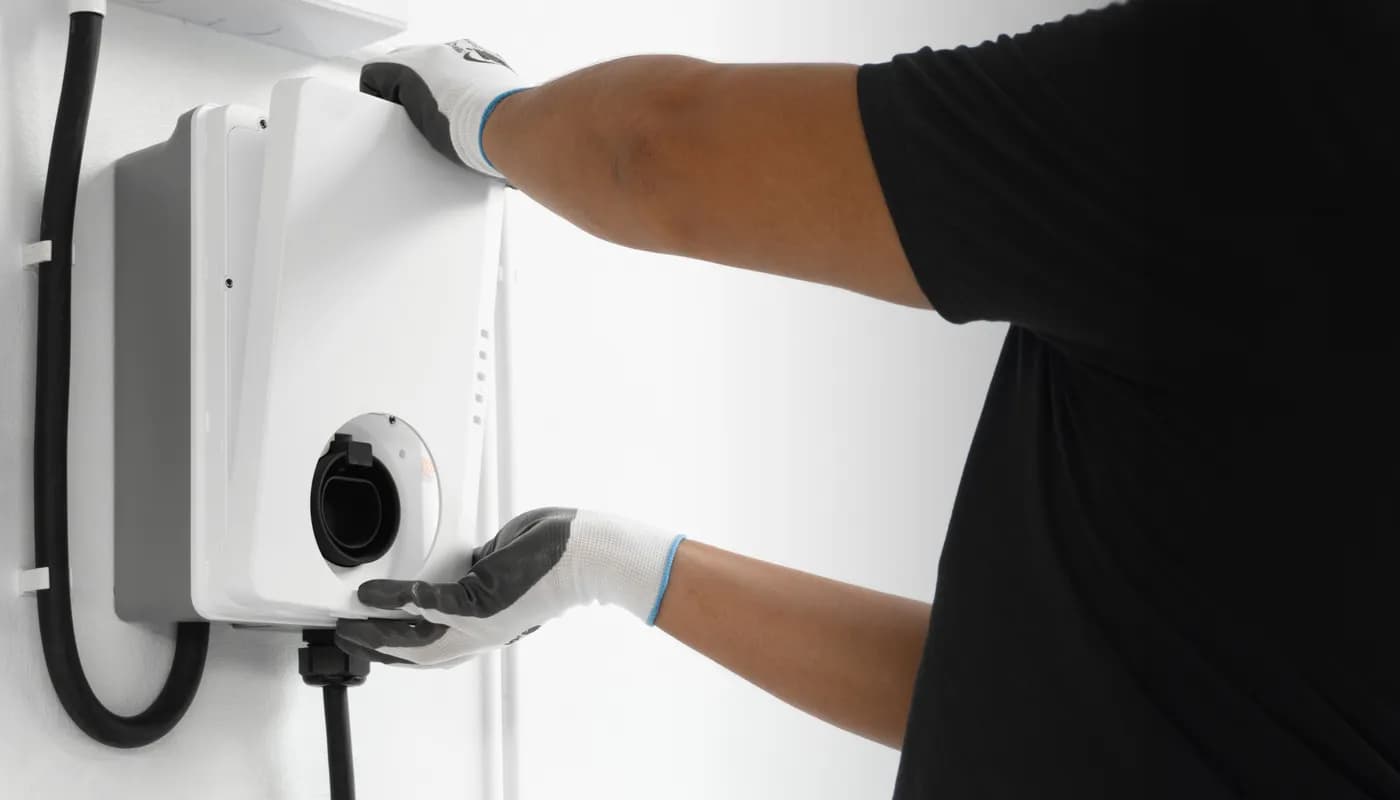
A Level 2 home charger installation typically requires an additional MCB, power cables, and a dedicated outlet. A qualified electrician can complete the job in a few hours.
RIOD PowerPod Lite is designed for exactly this: plug-and-play installation, automatic operation, and compatibility with every EV sold in India. No app needed, no complicated setup.
Read Our Next Article
Improving Charger Utilization for CPOs
Preventing Parking Misuse at Charging Stations
Extending the Life of EV Charging Stations
Operations Best Practices for Charge Point Operators
Reducing Installation Cost of EV Charging Stations
Home EV Charging: What Works Best
Deploying EV charging?
Talk to our team about your project. We design, supply, and manage EV charging infrastructure across India.