
By RIOD Engineering · December 20, 2025
EV Charger Installation: Civil, Electrical, and Commissioning Requirements
Installing an EV charger is not just plugging a box into the wall. It involves site assessment, electrical planning, safety compliance, and choosing the right equipment. Getting it right the first time saves money and headaches. This guide covers the essentials for residential and small commercial installations.

Site Assessment
Start by understanding your electrical setup. What is your total sanctioned load? Is it single-phase or three-phase? Where is the distribution board relative to the charging location? How far does the cable need to run?
- Measure the distance from DB to parking spot (affects cable size and cost)
- Check available breaker slots in the distribution board
- Assess whether the existing earthing system is adequate
- Identify the mounting surface: wall, pillar, or pedestal
- For outdoor installations, check for weatherproofing requirements (IP65 minimum)
Electrical Requirements
An EV charger needs a dedicated circuit. Do not share a circuit with other appliances. The circuit should include an appropriately rated MCB (Miniature Circuit Breaker) and an RCD (Residual Current Device) for earth fault protection. Type A RCDs are standard; Type B RCDs provide additional protection against DC fault currents that some EV chargers can produce.
Cable sizing depends on the charger's power rating and the cable run length. For a 7.4 kW charger with a 20-meter cable run, 6 sq mm copper cable is typically adequate. Longer runs or higher power levels require thicker cable. An electrician should calculate voltage drop to ensure it stays within acceptable limits.
Safety and Compliance
All installations should comply with IS 17017 (Indian Standard for EV charging) and general electrical safety standards. The charger itself should carry relevant certifications (BIS, IEC 61851). Earthing is critical. A poor earth connection can make the entire charging system unsafe.
- Proper earth electrode with resistance below 5 ohms
- Surge protection device (SPD) recommended for areas with frequent lightning or voltage spikes
- Adequate ventilation around the charger (do not install in enclosed, unventilated spaces)
- Clear signage indicating EV charging equipment and emergency shutdown procedures
Choosing a Qualified Installer
Use a licensed electrician with experience in EV charger installations. General electricians may not be familiar with EV-specific requirements like OCPP configuration, RCD selection for DC fault protection, or communication wiring for load management systems.
RIOD provides installation support and guidance for all our charger products. We can recommend qualified installers in your area and provide detailed installation manuals that cover electrical, mechanical, and network setup.
Post-Installation Checks
After installation, verify that the RCD trips correctly, the earth continuity is intact, and the charger communicates with the back-end system (if it is a smart charger). Run a full charge cycle to confirm the charger operates at the expected power level. Document the installation with photos and test certificates for warranty and insurance purposes.
Read Our Next Article
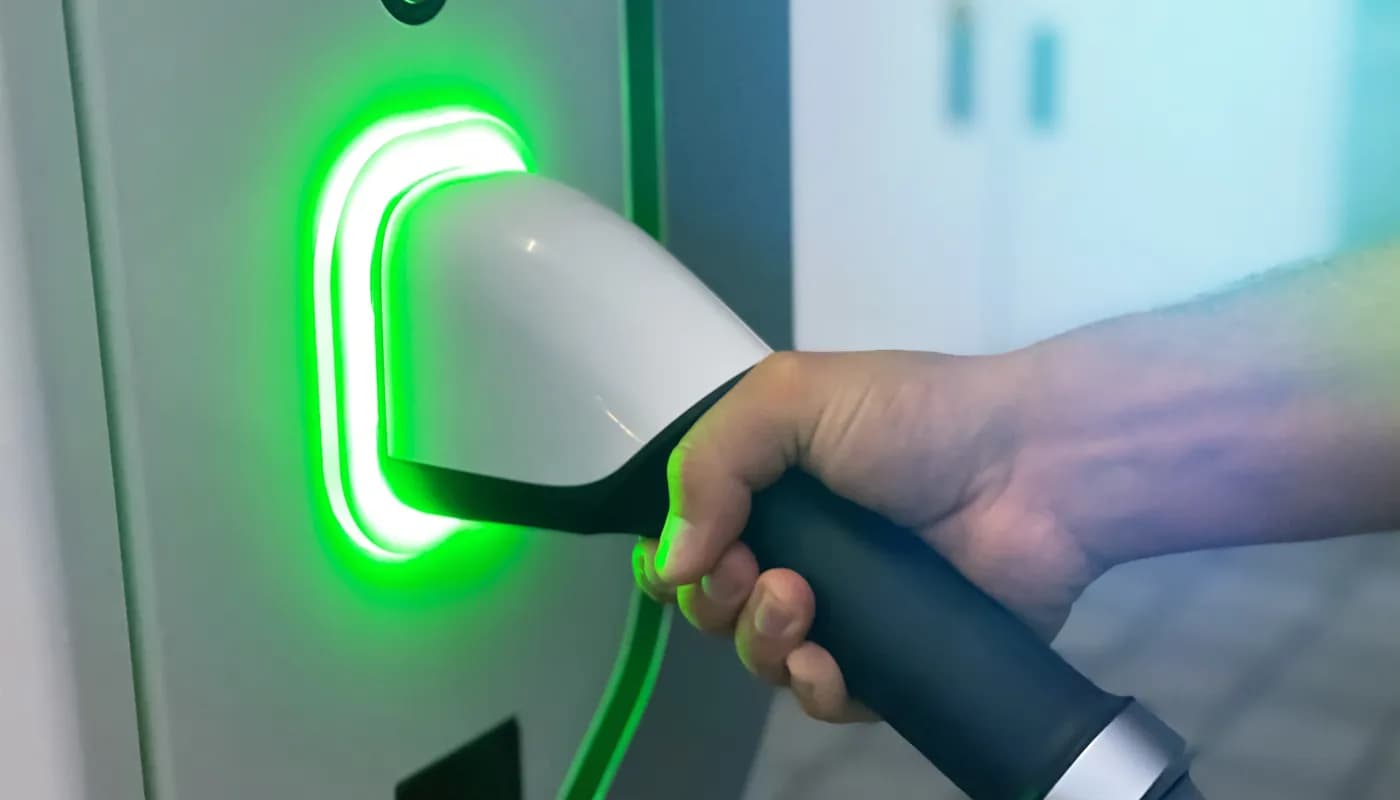
Improving Charger Utilization for CPOs
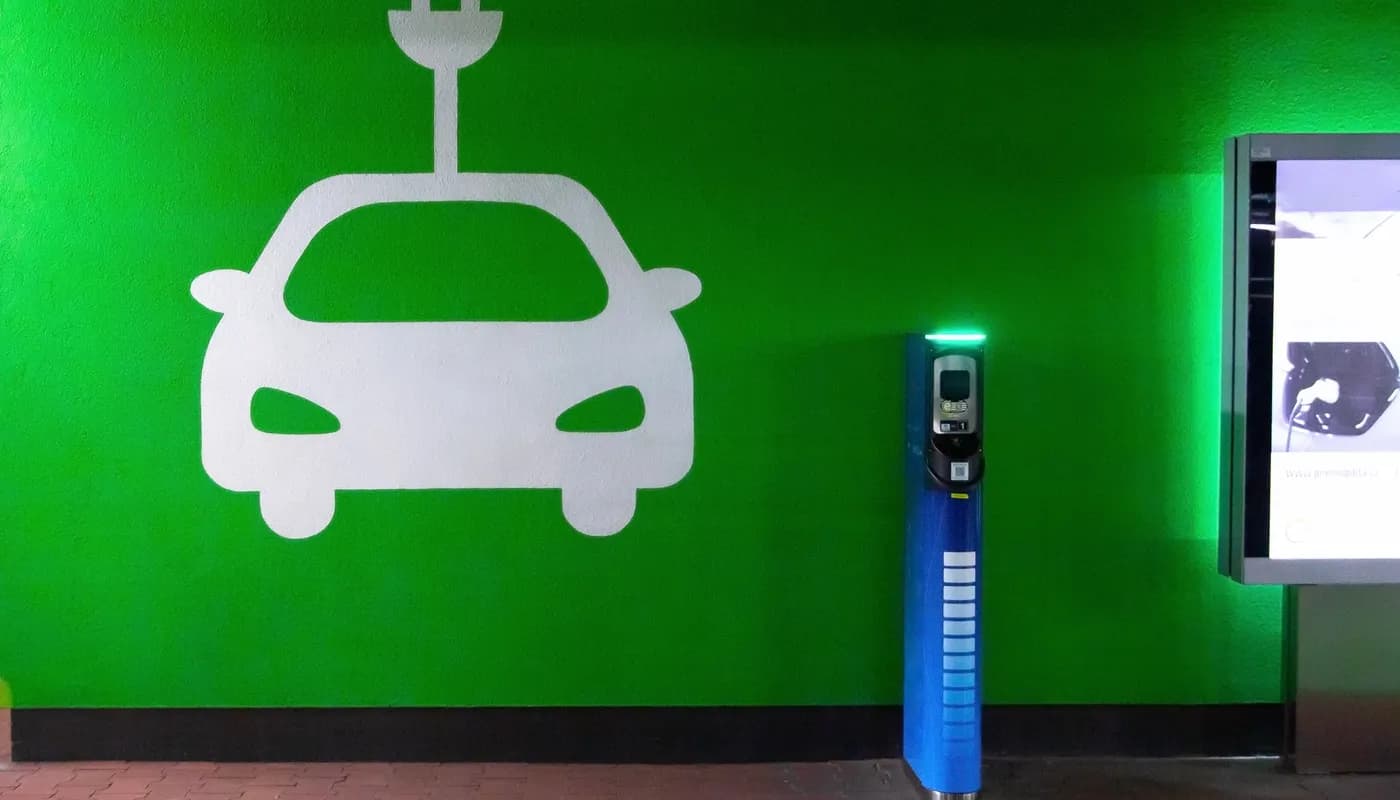
Preventing Parking Misuse at Charging Stations
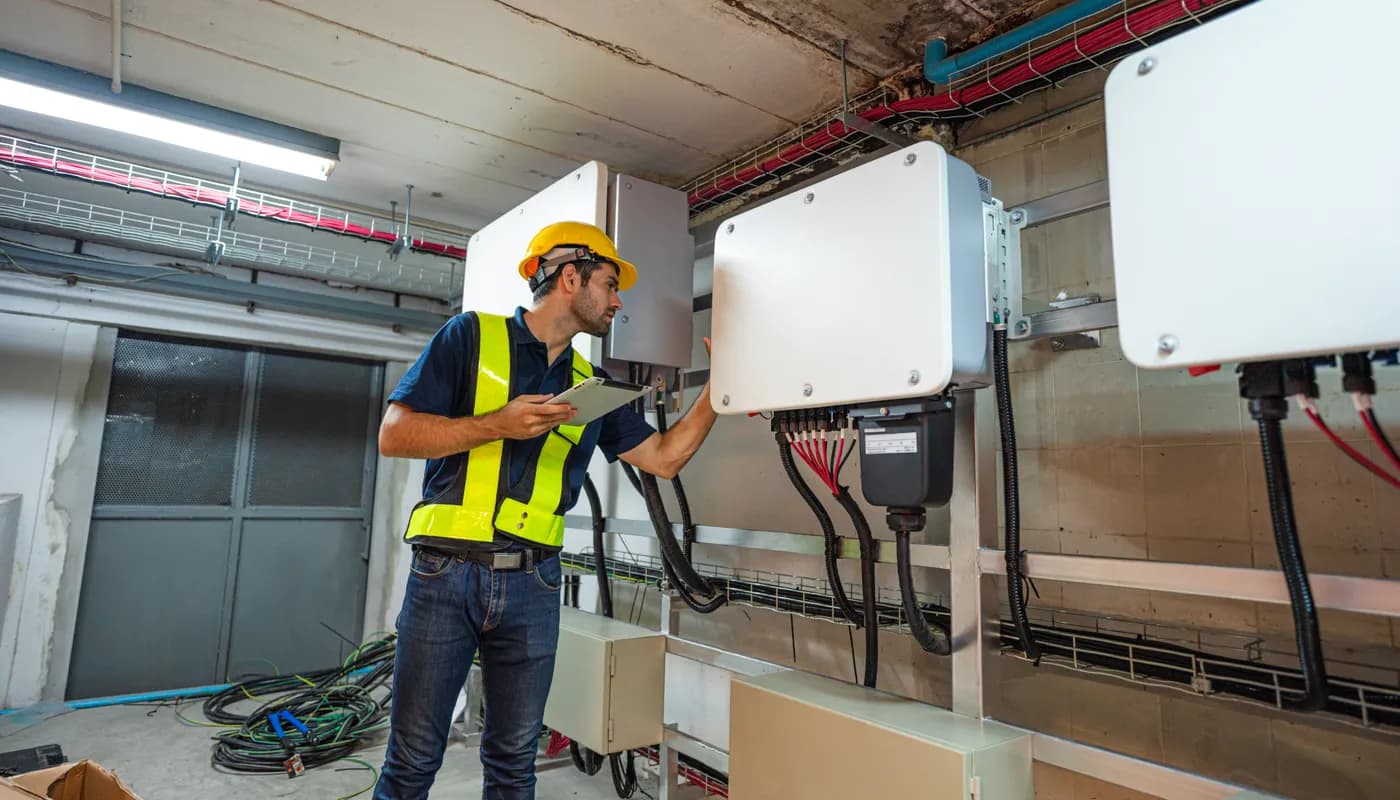
Extending the Life of EV Charging Stations

Operations Best Practices for Charge Point Operators

Reducing Installation Cost of EV Charging Stations
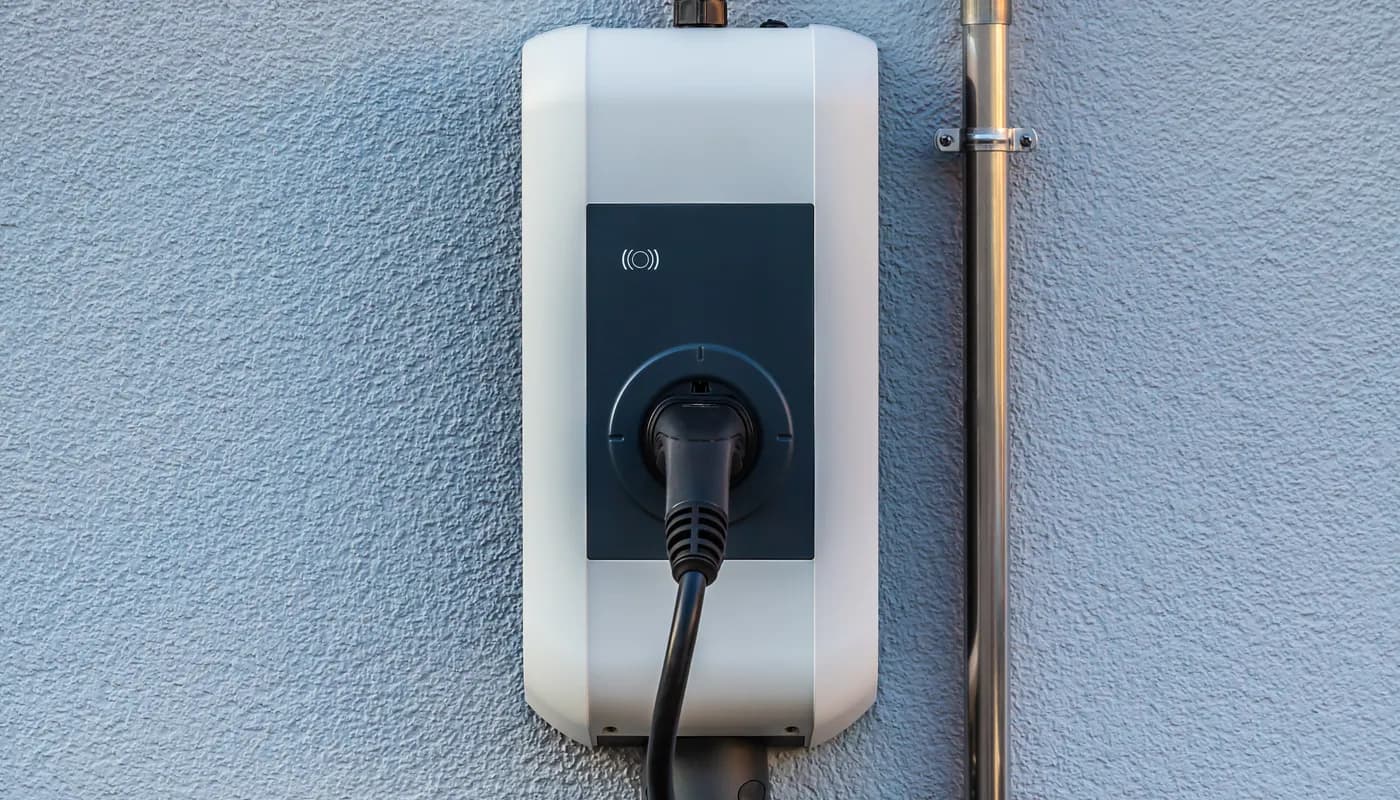
Home EV Charging: What Works Best
Deploying EV charging?
Talk to our team about your project. We design, supply, and manage EV charging infrastructure across India.