
By RIOD Engineering · July 25, 2025
EV Charging in Residential Societies: Infrastructure, Billing, and Access
Installing an EV charger in an apartment is harder than in an independent house. You are dealing with shared electrical infrastructure, parking that may not be assigned, resident welfare association (RWA) approvals, and billing that needs to be fair to everyone. But it is solvable. Thousands of apartment complexes in India are already doing it.
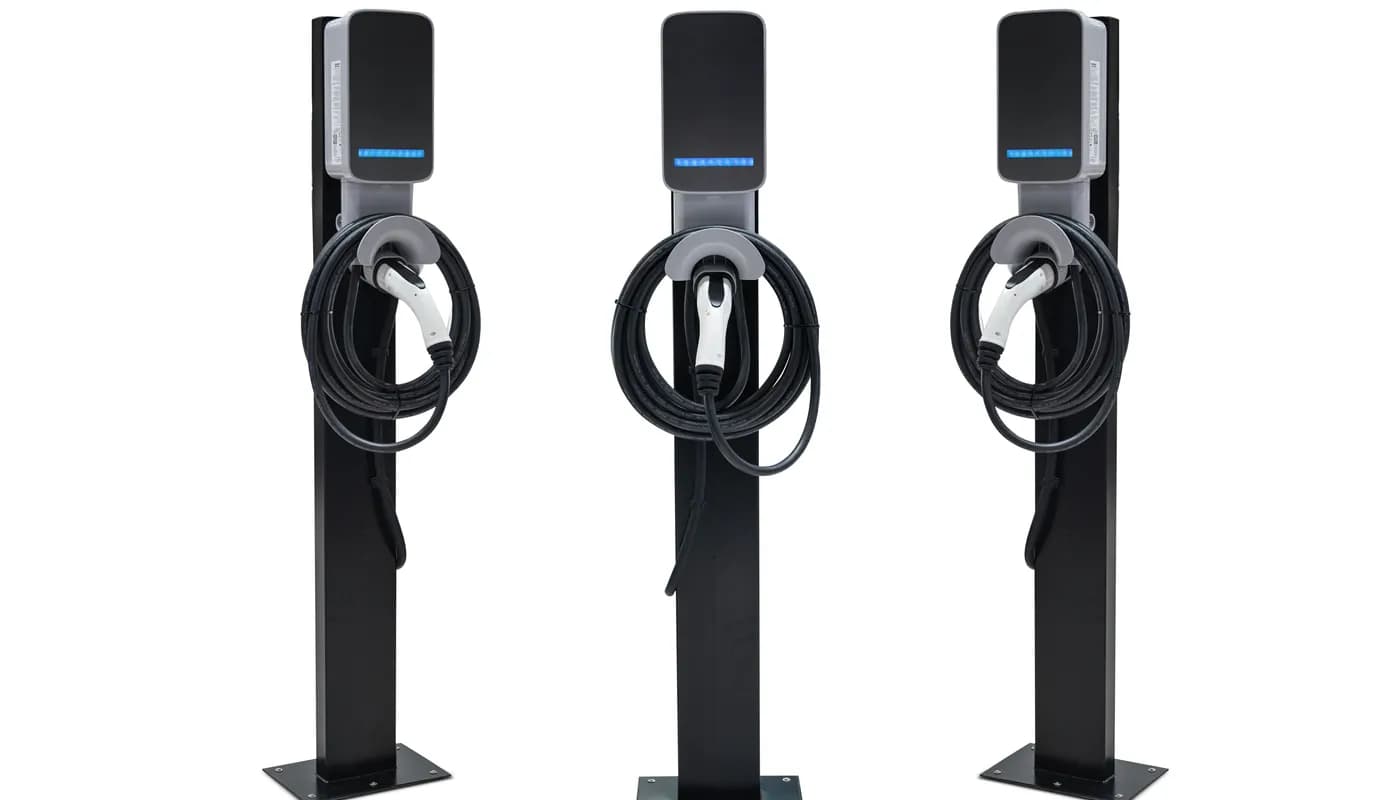
The Core Challenge: Shared Infrastructure
In an apartment, the electrical supply is split between common areas and individual units. Running a dedicated circuit from your flat's meter to your parking spot is the cleanest solution but involves long cable runs and potentially drilling through shared structures. The alternative is drawing power from the common supply and metering it separately.
Both approaches require RWA approval. Come prepared with a clear proposal that addresses cost, safety, and impact on other residents.
Option 1: Individual Meter Connection
Running a dedicated line from your flat's distribution board to your parking spot means you pay directly for the electricity. The RWA has no billing headaches. The downside is cost: cable routing through multiple floors can be expensive, and you need permission to run conduit through common areas.
- Best for ground-floor or basement parking directly below your unit
- Requires a dedicated MCB and RCD at your distribution board
- Cable sizing must account for the full run length to avoid voltage drop
Option 2: Common Supply with Sub-Metering
Drawing from the common electrical supply and installing a sub-meter at the charger is simpler to wire. The sub-meter tracks exactly how much energy each charger uses, and the RWA bills individual EV owners accordingly. Smart chargers with built-in energy metering make this even easier, as consumption data is available through an app or management portal.
Load Management is Non-Negotiable
Apartment complexes have a fixed electrical capacity. If ten residents install 7.4 kW chargers and all plug in at 7 PM, that is 74 kW of additional demand. The building's supply may not handle it. Load management distributes available power across all active chargers, reducing individual charging speed but ensuring the building stays within its capacity limits.
This is where a centralized charging management system like RIOD's becomes essential. It dynamically allocates power based on available capacity, priority settings, and individual charging needs.
Getting RWA Approval
Present a plan that covers safety certifications of the charger, installation by a licensed electrician, no impact on common area electricity bills (if using individual metering), and insurance or liability coverage. Address fire safety concerns directly with documentation. Most RWAs are reasonable when given clear, factual information rather than vague requests.
Read Our Next Article
Improving Charger Utilization for CPOs
Preventing Parking Misuse at Charging Stations
Extending the Life of EV Charging Stations
Operations Best Practices for Charge Point Operators

Reducing Installation Cost of EV Charging Stations
Home EV Charging: What Works Best
Deploying EV charging?
Talk to our team about your project. We design, supply, and manage EV charging infrastructure across India.