
By RIOD Engineering · October 15, 2025
How Charging Behaviour Affects EV Battery Degradation
EV batteries degrade over time. That is a fact of lithium-ion chemistry. But how you charge has a measurable impact on how fast that degradation happens. Following a few straightforward practices can keep your battery healthy well past the warranty period.
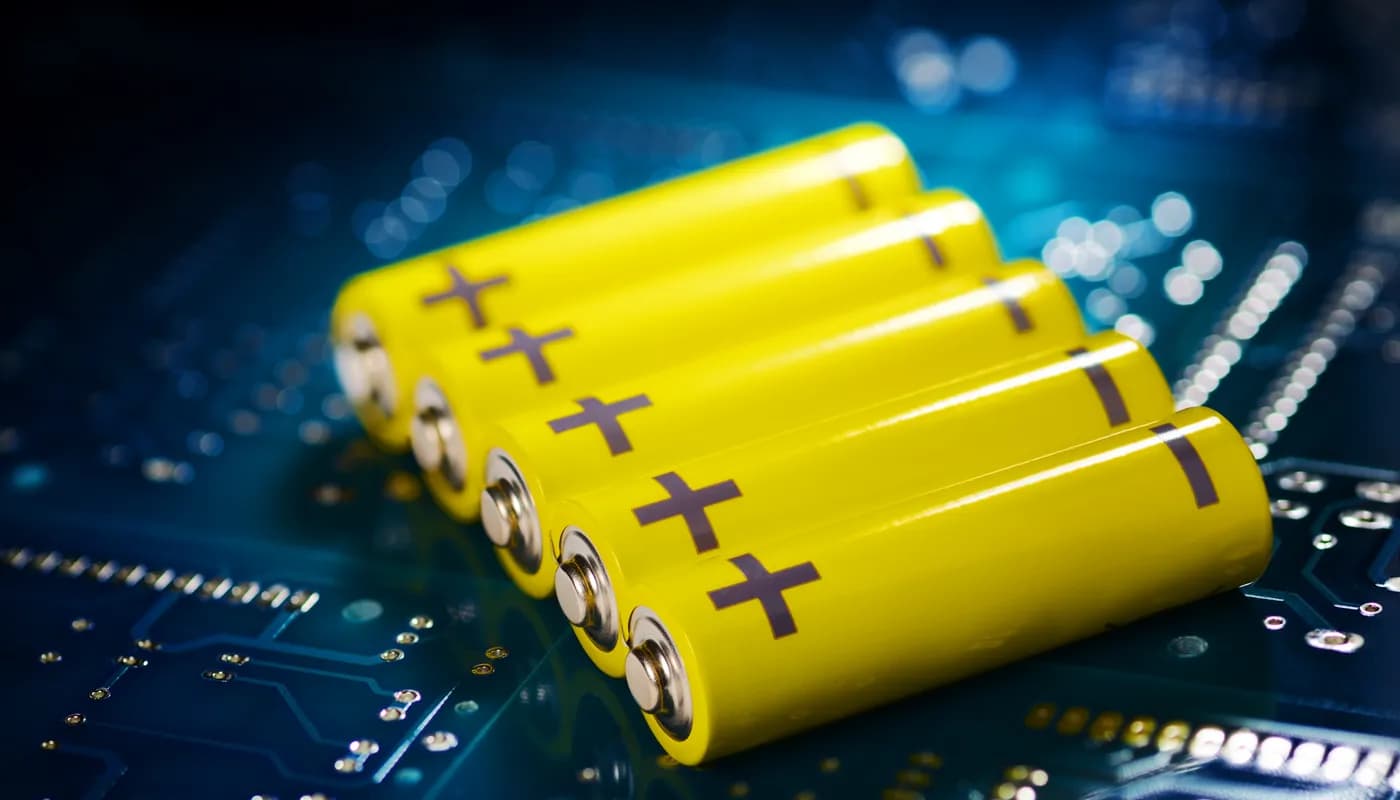
Keep It Between 20% and 80%
Lithium-ion batteries experience the most stress at very high and very low states of charge. Charging to 100% or draining to near 0% regularly accelerates chemical degradation. For daily use, keeping the battery between 20% and 80% is the sweet spot.
Most EVs let you set a charge limit in the infotainment system. Set it to 80% for daily driving and only charge to 100% before long trips when you need the full range.
Minimize DC Fast Charging
DC fast charging pushes large amounts of current into the battery, generating significant heat. Heat is the primary enemy of battery longevity. Occasional fast charging is fine, but using DC fast charging as your primary method will noticeably reduce battery capacity over a few years.
- AC home charging at 7.4 kW or less produces minimal heat
- DC charging above 50 kW generates substantial heat, especially above 80% SOC
- Modern EVs have battery thermal management systems, but they work harder under fast charging
- A mix of 80-90% AC charging and 10-20% DC fast charging is a healthy balance
Temperature Matters
Extreme heat degrades batteries faster than any other factor. Parking in shade, using a garage, and preconditioning the battery before fast charging (most modern EVs do this automatically) all help. In Indian summers where ambient temperatures hit 45 degrees Celsius, the battery management system works overtime to keep cells cool.
Avoid fast charging immediately after a long, hot drive. Let the battery cool down first if your vehicle does not have active preconditioning.
Do Not Leave It Sitting at Full or Empty
If you are parking your EV for an extended period (a week or more), leave it at around 50% charge. A fully charged battery sitting in heat for weeks undergoes accelerated calendar aging. Similarly, a near-empty battery left for extended periods can drop below critical voltage thresholds, potentially causing irreversible damage.
What the Data Shows
Studies on real-world EV fleets show that vehicles charged primarily on AC at home retain 90-95% of their original battery capacity after 8 years. Vehicles that relied heavily on DC fast charging retained 85-90%. The difference is real but not dramatic. Follow basic best practices, and your battery will outlast the rest of the car.
Read Our Next Article
Improving Charger Utilization for CPOs
Preventing Parking Misuse at Charging Stations
Extending the Life of EV Charging Stations

Operations Best Practices for Charge Point Operators
Reducing Installation Cost of EV Charging Stations
Home EV Charging: What Works Best
Deploying EV charging?
Talk to our team about your project. We design, supply, and manage EV charging infrastructure across India.