
By RIOD Engineering · July 10, 2025
Picking a Home EV Charger: What the Specs Actually Mean
Buying a home EV charger is not complicated, but there are a few decisions that will affect your daily experience for years. Power level, connector type, smart features, and your electrical setup all play a role. This guide walks through each factor so you can make the right call.
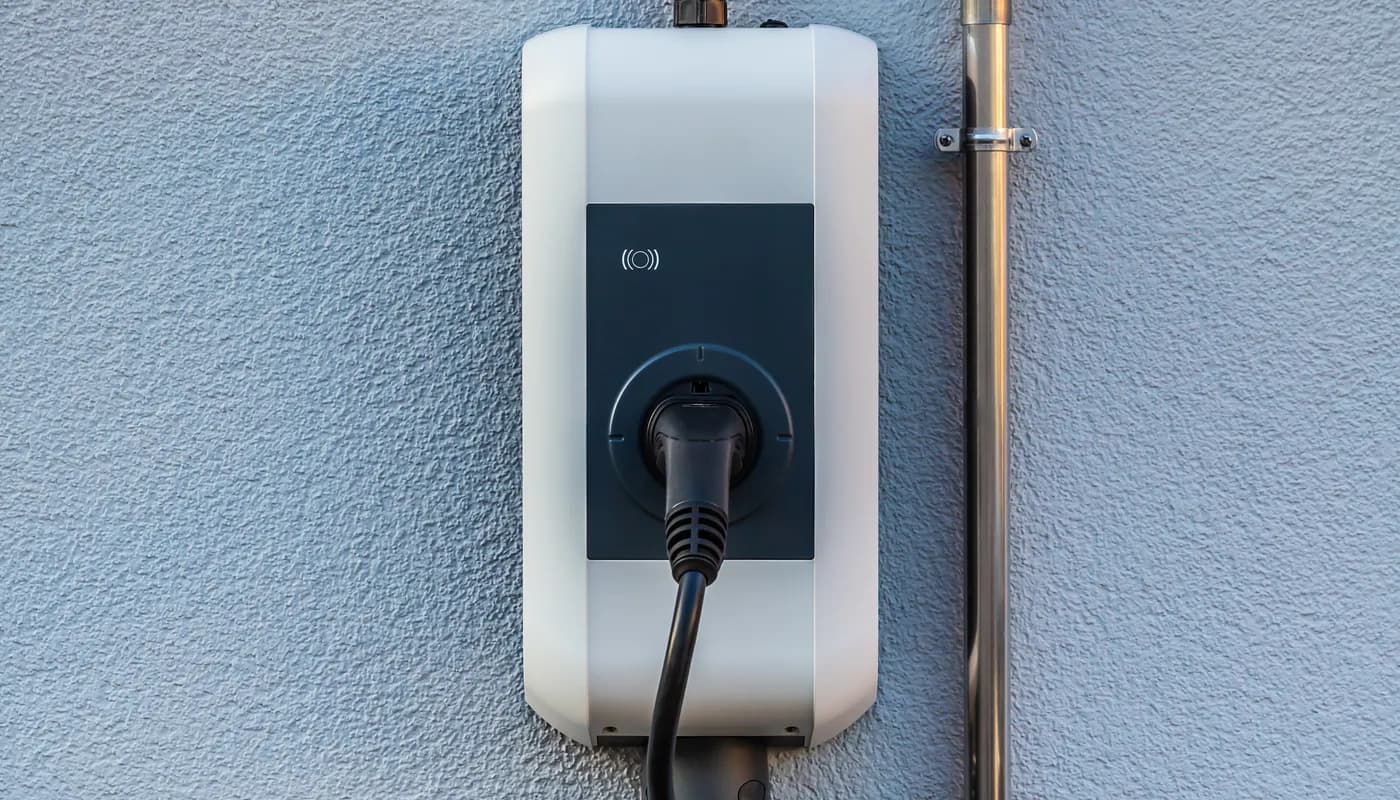
Check Your Electrical Supply First
Before shopping for a charger, check whether your home has a single-phase or three-phase connection. Single-phase connections support up to 7.4 kW of charging. Three-phase connections support up to 22 kW. Most Indian homes have single-phase connections rated at 5 kW or 10 kW.
If your connection is 5 kW, a 3.3 kW charger is realistic once you account for other household loads. A 10 kW single-phase connection can support a 7.4 kW charger, but you may need load management to avoid tripping the main breaker during peak usage.
Power Level: How Fast Do You Need?
A 3.3 kW charger adds roughly 15-18 km of range per hour. A 7.4 kW charger doubles that. If you drive 40-60 km daily, a 3.3 kW charger fully recovers your daily use in 3-4 hours of overnight charging. That is more than enough for most people.
- 3.3 kW: Good for daily commuters with overnight charging time
- 7.4 kW: Better for higher daily mileage or shorter parking windows
- 11 kW: Requires three-phase supply, suitable for larger EVs or shared household charging
- 22 kW: Overkill for most homes, better suited for small commercial setups
Connector Type
In India, most AC chargers use Type 2 (IEC 62196) connectors. Some older or budget EVs use Type 1, but Type 2 is the dominant standard. Make sure your charger connector matches your vehicle's inlet. If you buy a charger with a tethered cable, confirm the cable length suits your parking arrangement.
Smart vs Basic Chargers
A basic charger starts and stops charging, and that is it. A smart charger connects to Wi-Fi or a mobile app, letting you schedule charging for off-peak hours, monitor energy consumption, set charging limits, and receive notifications.
If your electricity provider offers time-of-use tariffs, a smart charger can save you money by automatically charging during cheaper nighttime rates. For most buyers, the small price premium for smart features pays for itself within the first year.
Installation Considerations
Hire a licensed electrician. The charger needs a dedicated circuit with an appropriate MCB (Miniature Circuit Breaker) and ideally a Type B RCD (Residual Current Device) for DC fault protection. Cable routing from your distribution board to the parking spot is often the most expensive part of installation.
- Outdoor installations need IP65-rated chargers
- Cable runs over 15 meters may require thicker cables to avoid voltage drop
- Wall-mounted chargers are simpler; pedestal mounts work when wall mounting is not possible
Read Our Next Article
Improving Charger Utilization for CPOs
Preventing Parking Misuse at Charging Stations
Extending the Life of EV Charging Stations
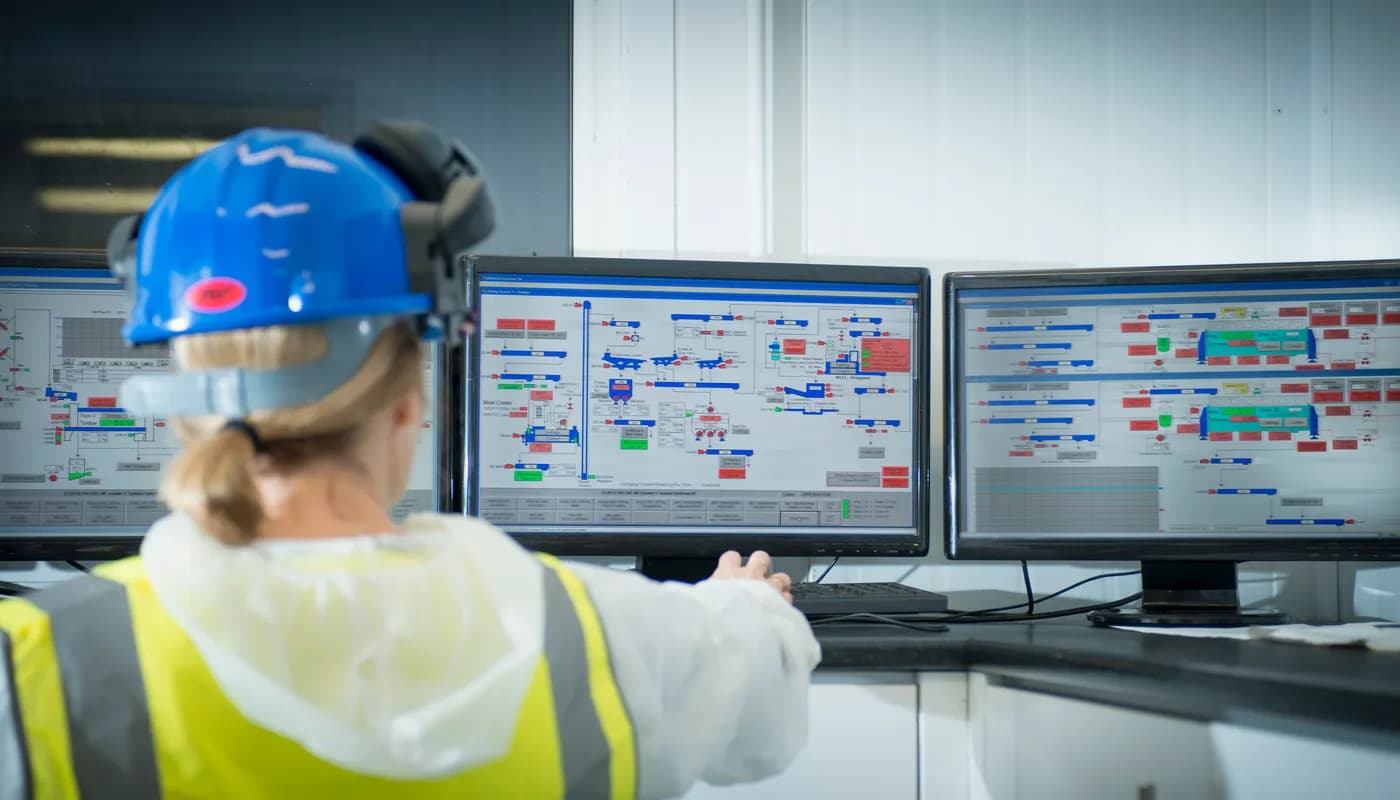
Operations Best Practices for Charge Point Operators

Reducing Installation Cost of EV Charging Stations
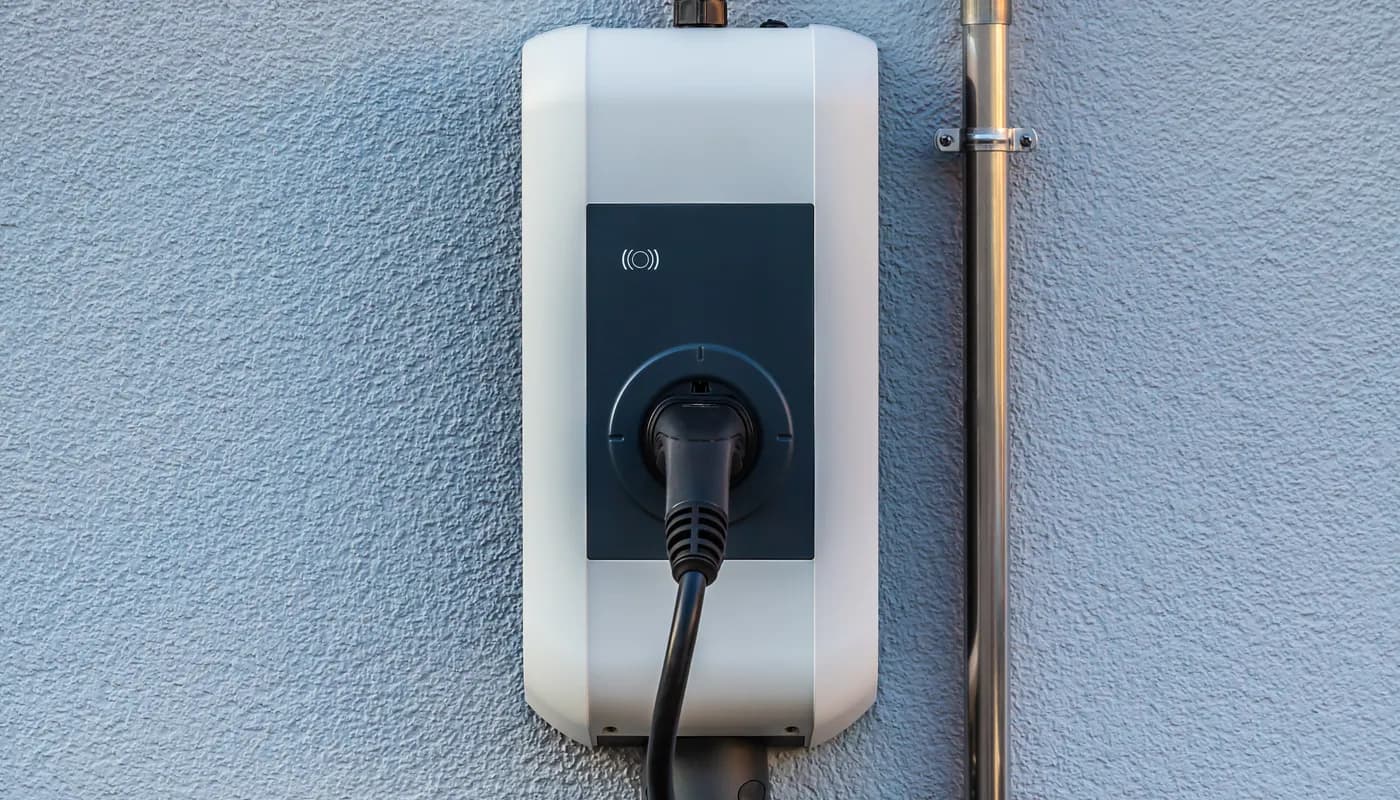
Home EV Charging: What Works Best
Deploying EV charging?
Talk to our team about your project. We design, supply, and manage EV charging infrastructure across India.