
By RIOD Engineering · February 12, 2026
AC vs DC Charging for Apartments
When apartment societies evaluate EV charging, the AC vs DC question comes up fast. The short answer for most residential complexes: AC charging wins on nearly every practical metric. The cars sit in parking spots for 8-12 hours overnight. You do not need to blast energy into a battery in 30 minutes when you have the whole night. But there are edge cases where DC has a role, and it is worth understanding both.
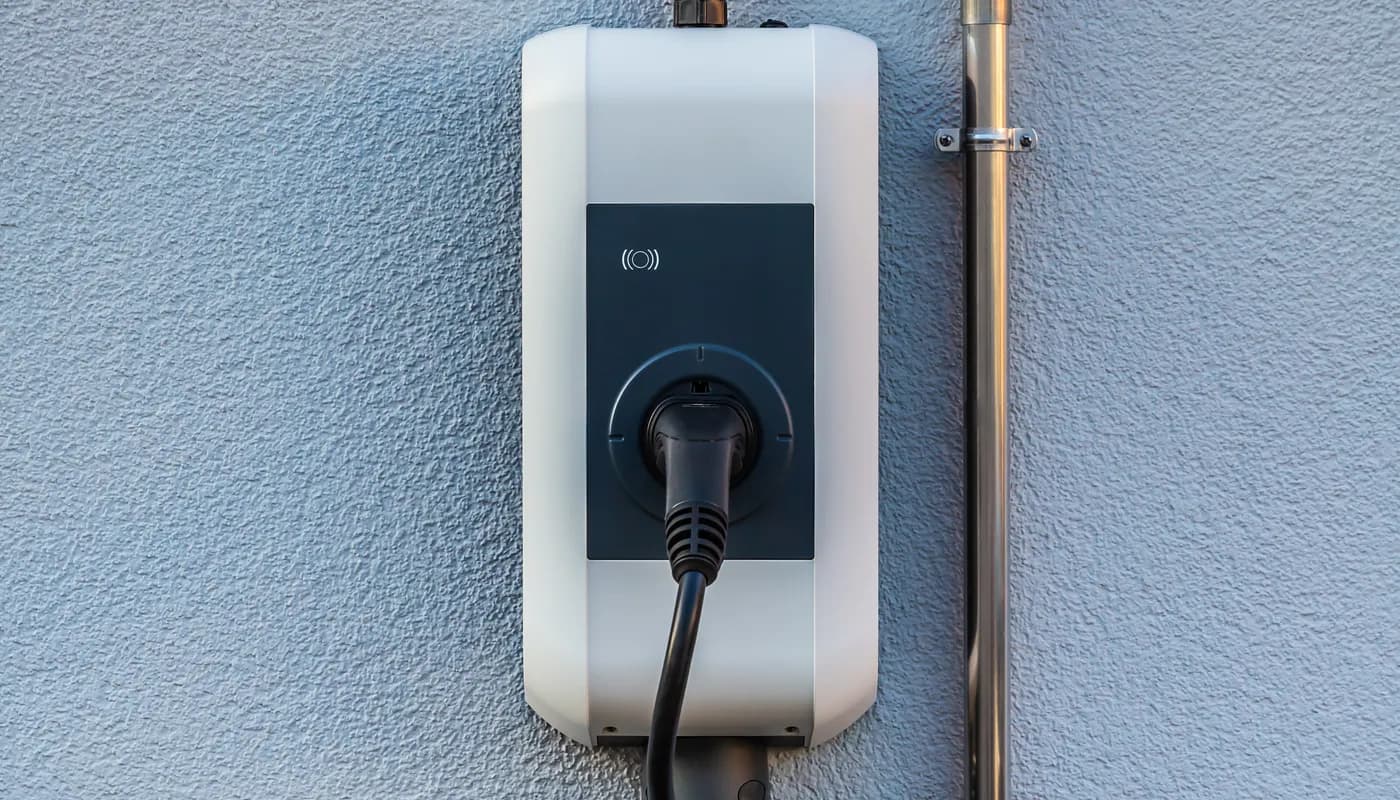
Why AC Makes Sense for Apartments
AC chargers in the 3.3 kW to 7.4 kW range are the workhorses of residential charging. A 7.4 kW unit fully charges most EVs in 6-8 hours overnight. The hardware costs a fraction of a DC fast charger. Installation is straightforward because apartments already have AC power distribution. You do not need a dedicated transformer or massive cable runs.
The electrical load is manageable. A 7.4 kW charger draws about the same as two air conditioners. With smart load management, an apartment building can support dozens of AC chargers without upgrading its main supply. Try that with DC chargers and you are looking at a transformer upgrade that costs more than the chargers themselves.
The Cost Difference Is Massive
A single AC charger suitable for apartment use costs a fraction of a 30 kW DC charger. But the hardware cost is only part of the story. DC chargers need heavier cabling, dedicated breakers, better cooling, and often a transformer upgrade. The total installed cost of one DC charger can fund 8-10 AC chargers in an apartment setting.
- AC charger (7.4 kW): lower hardware, simple installation, standard wiring
- DC charger (30 kW): higher hardware cost, heavy cabling, potential transformer upgrade
- AC maintenance is simpler with fewer active components
- DC chargers have higher ongoing maintenance costs due to power electronics
When DC Might Make Sense
Large apartment complexes with commercial EV traffic (visitor parking, delivery vehicles, ride-hailing drivers) may benefit from one or two DC chargers in common areas. These serve drivers who need a quick top-up rather than an overnight charge. Some premium societies also install DC units as a shared amenity.
The key is to treat DC as a complement, not a replacement. The bulk of resident charging should happen on AC. DC fills the gap for occasional fast charging needs.
Infrastructure Planning
Smart apartment charging starts with an electrical audit. Understand your existing spare capacity, plan for load management from day one, and phase your rollout. Start with AC chargers for early adopters, then scale as demand grows. RIOD's community charging platform handles metering, billing, and load balancing across all units, making it practical for RWAs to manage without dedicated staff.
Read Our Next Article

Improving Charger Utilization for CPOs
Preventing Parking Misuse at Charging Stations
Extending the Life of EV Charging Stations

Operations Best Practices for Charge Point Operators

Reducing Installation Cost of EV Charging Stations
Home EV Charging: What Works Best
Deploying EV charging?
Talk to our team about your project. We design, supply, and manage EV charging infrastructure across India.